Bingsu vs Boba Franchise: Which Is the Better Investment? (2026)
In the bingsu vs boba franchise decision for 2026, a boba franchise enters a large but crowded, heavily saturated market, while a bingsu franchise enters a fast-growing, far less saturated Korean dessert category with stronger differentiation. Both are dessert-cafe investments in a similar $200,000 to $500,000 range, so the real question is not cost but competition, margins, and how defensible your concept will be. Below is a side-by-side look at bingsu vs boba as a franchise investment. When you want the specifics, start on the Oakobing franchise page.
Bingsu vs Boba Franchise: The Quick Comparison
Boba is the more established category; bingsu is the more differentiated one. Here is how the two stack up on the factors investors weigh most:
FactorBingsu Franchise (Oakobing)Boba / Bubble Tea FranchiseCategory maturityEmerging, fast-growingEstablished, mainstreamMarket saturationLow - few national brandsHigh in many metrosInvestment range~$200K-$500K single unitOften a comparable bandSignature productPremium, shareable shaved-ice bowlSingle-serve tea drinkAverage ticketHigher, group-orientedLower, individualDifferentiationStrong - stands out easilyHarder in a crowded field
The headline is that both are viable dessert investments, but they compete very differently - the table shows where each concept sits and where each one wins. For the full cost picture on the bingsu side, see the Korean dessert franchise cost guide.
Which Costs More to Open, Bingsu or Boba?
The two are broadly comparable, so cost rarely decides it. An Oakobing single unit carries an estimated $200,000 to $500,000 total investment, which includes the $35,000 initial franchise fee (2026 FDD, issued January 16, 2026, as amended June 15, 2026, Item 7) - a typical dessert-cafe band that many boba franchises also fall within. Because both are light-kitchen concepts without a hot line, buildout and equipment costs are similar in character. What differs is not the sticker price but what you get for it:
- Bingsu - a differentiated, premium concept in an open category.
- Boba - a familiar concept in a mature but crowded category.
Since the investment is similar, smart investors focus on differentiation and margin durability rather than the entry price. Exact figures for any brand live in its FDD Item 7, reviewed with an accountant.
.png)
Which Has Less Competition?
Bingsu has meaningfully less competition than boba. Bubble tea has been franchised aggressively for years and is saturated in many Southern California neighborhoods, where multiple shops often sit within blocks of each other. Korean shaved ice remains an emerging category with far fewer national brands, which means a well-placed bingsu store can own its neighborhood in a way a crowded boba market cannot. Lower saturation is one of the stronger arguments for entering now, while the category is still expanding. For the wider growth case, read the Asian dessert franchise growth guide.
Are the Profit Margins Different?
Both models enjoy strong gross margins, but they earn revenue differently. Drinks and shaved ice both carry a low food cost relative to retail price, so gross margins are healthy either way. The difference is in the transaction:
- Bingsu - a higher average ticket, because bowls are larger, premium, and built for two to four people to share.
- Boba - a lower ticket offset by speed and high cup volume per hour.
Net margin in either case comes down to rent, labor, and volume, and store-level figures are governed by each brand's FDD Item 19. A shareable bingsu bowl can lift per-visit spend in a way that is harder with a single-serve drink. That group dynamic is a quiet advantage that many investors overlook when they compare the two. Where boba wins is transaction speed - a well-run tea shop can push high cup counts during a rush - so the two models reach a healthy top line by different routes: bingsu through a bigger, occasion-driven ticket, boba through raw throughput.
Why Does Differentiation Favor Bingsu?
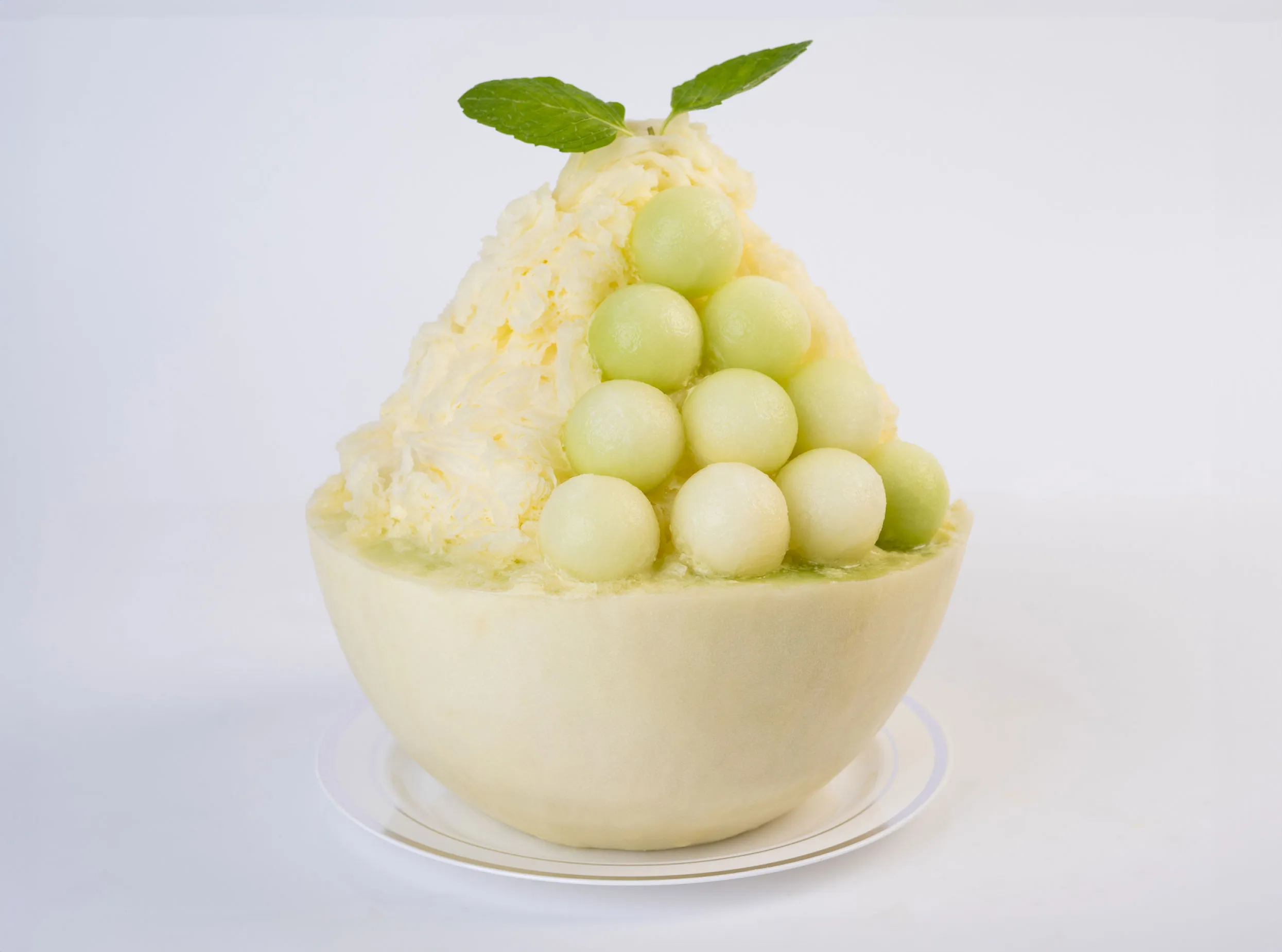
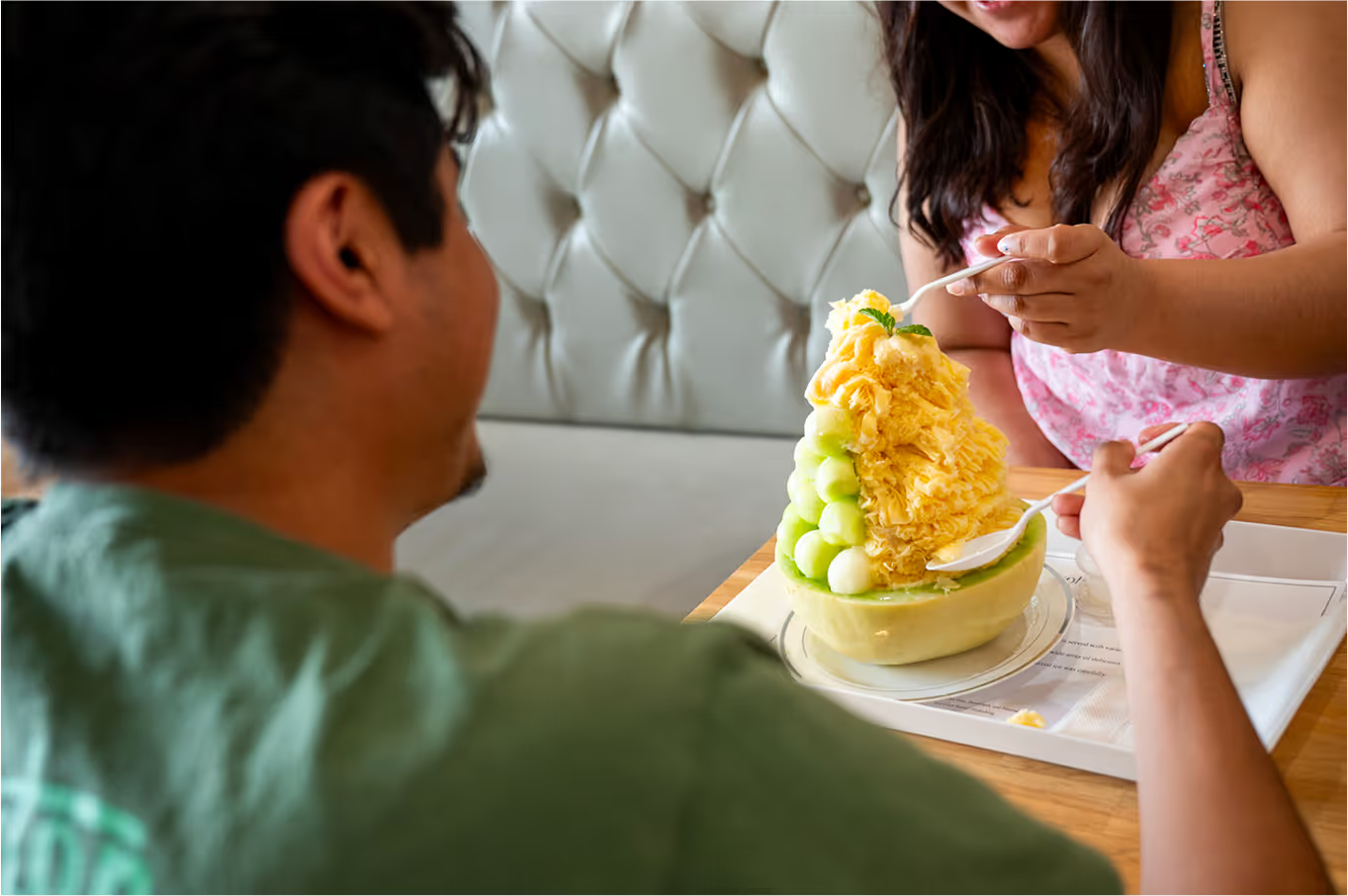
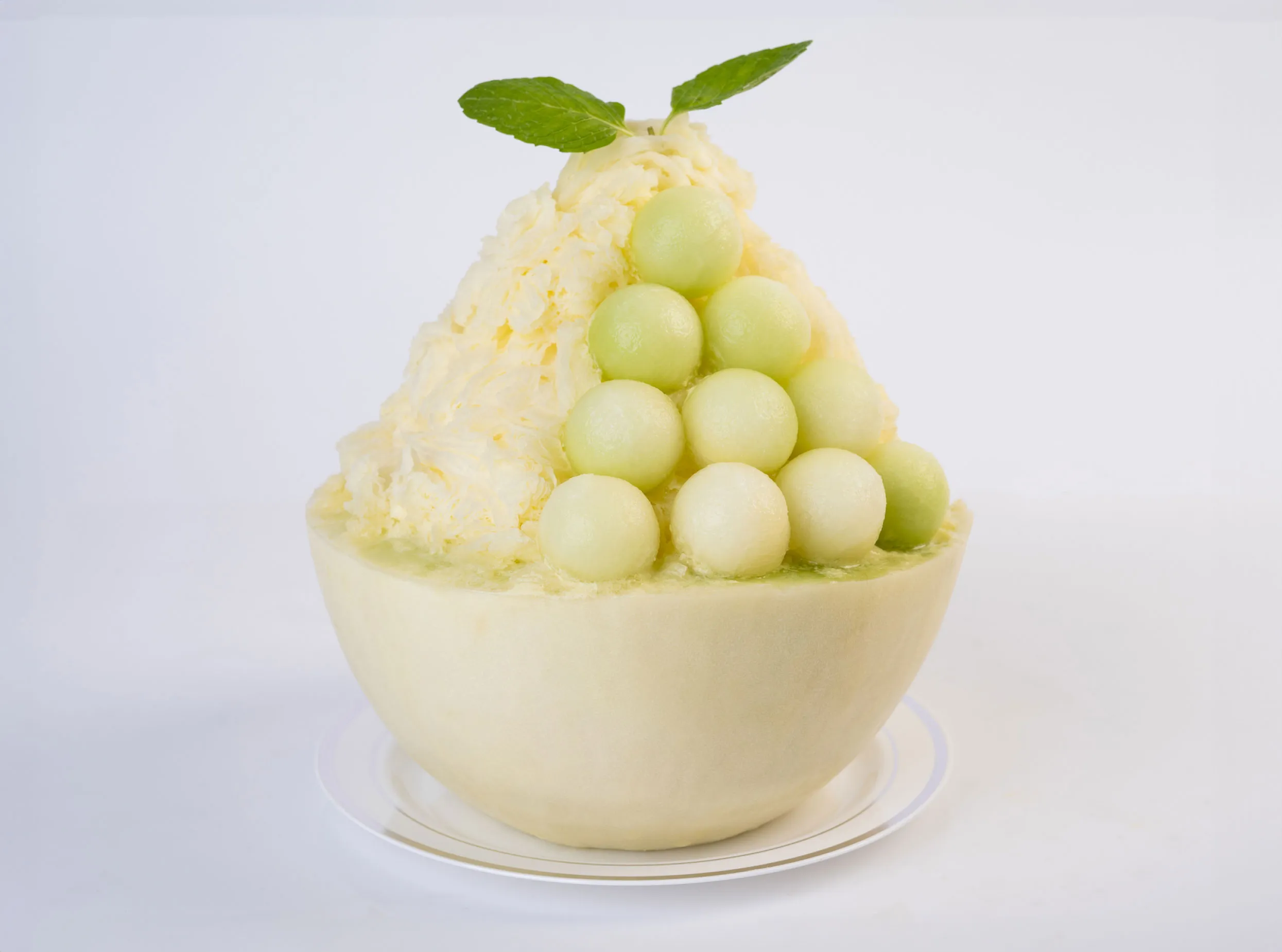
Differentiation favors bingsu because standing out is far easier in an open category than in a saturated one. A new boba shop must fight to be noticed among many established competitors, often competing on price. A Korean shaved ice cafe offers something most neighborhoods do not already have on every corner - a premium, photogenic, shareable dessert experience that a crowded boba market cannot easily replicate. That visibility supports pricing, social media reach, and repeat traffic. A bingsu bowl is also inherently more of an occasion - a shared table centerpiece rather than a single-serve drink - which drives the group visits and word-of-mouth that a young brand needs to grow.
What Should Investors Weigh Before Choosing?
The decision comes down to matching the concept to your goals, market, and timing rather than picking a universal winner. Work through four questions before you commit:
- Market saturation - count the boba shops already within a mile of your target site. If the corner is crowded with tea, a differentiated bingsu concept has more room to grow.
- Your appetite for competition - a familiar boba brand competes on recognition and price; a bingsu cafe competes on being the one place in the neighborhood that offers it.
- The customer occasion - do you want quick, individual grab-and-go traffic, or a shareable, dwell-time dessert destination that draws groups and social posts?
- Timing - entering an emerging category early can build local authority before rivals arrive, which is harder to do in a mature one.
For most investors in Southern California, the honest read is that boba is the safer-looking but more crowded bet, while bingsu is the higher-differentiation play in a category that is still opening up. Neither is a guarantee - both depend on execution, site, and capitalization. Review the bingsu franchise requirements to see whether the operator profile fits you before you go further.
Can You Combine Both Concepts?
Yes - a bingsu cafe can serve drinks alongside its signature bowls, so the two are not mutually exclusive. Oakobing leads with a premium shaved-ice experience rather than competing as another single-serve tea shop, but a Korean dessert cafe naturally supports a beverage lineup. The strategic point is positioning: rather than opening a fourth boba shop on a saturated block, a bingsu-led concept differentiates first and can add complementary drinks second. To see the full launch path, read the how to open a bingsu shop guide, then request details on the franchise page. This is a general comparison, not financial advice - review each brand's FDD before deciding.
Frequently Asked Questions
Is a bingsu franchise better than a boba franchise?
Neither is universally better - they suit different strategies. A boba franchise enters a large, proven, but crowded market, while a bingsu franchise like Oakobing enters a fast-growing, far less saturated Korean dessert category with strong differentiation. If you want a defensible, standout concept, bingsu offers more open space; if you want maximum brand recognition, boba is more established.
How does bingsu franchise cost compare to boba?
Both are dessert-cafe investments in a similar range. An Oakobing single unit is an estimated $200,000 to $500,000 total investment, which includes the $35,000 initial franchise fee. Many boba franchises fall in a comparable band, so cost is rarely the deciding factor - differentiation, margins, and market saturation matter more. Exact figures for any franchise are in its FDD Item 7.
Which has less competition, bingsu or boba?
Bingsu has less competition. Boba tea is widely franchised and heavily saturated in many markets, while Korean shaved ice remains an emerging category with far fewer national brands. Lower saturation means a bingsu store can own its neighborhood more easily than a new boba shop competing against many nearby rivals.
Are bingsu and boba profit margins similar?
Both enjoy strong gross margins because drinks and shaved ice carry a low food cost against retail price. Net margins in either case depend on rent, labor, and volume. Bingsu adds a higher average ticket through larger, shareable bowls, while boba relies on speed and volume of single-serve cups. Store-level figures for any brand are governed by its FDD Item 19.
Can a bingsu shop also sell drinks like a boba shop?
Yes. A Korean dessert cafe can serve beverages alongside bingsu, so a bingsu concept is not mutually exclusive with drinks. The core difference is the signature product and positioning: bingsu leads with a premium, shareable shaved-ice experience rather than competing head-on as another single-serve tea shop.
You might also like...
Stories about Korean desserts, bingsu culture, and more.