Bingsu vs Halo-Halo: Korean vs Filipino Shaved Ice (2026)
Bingsu vs halo halo comes down to the ice and how you eat it: Korean bingsu is milk frozen into a block and shaved into fine flakes, served in layers you eat down through, while Filipino halo-halo is crushed water ice over sweetened beans and jellies that you stir together before the first bite. One is built to stay separate, the other is built to be mixed - the name halo-halo means mix-mix. Here is how the two shaved ice traditions actually differ. See the Oakobing menu if you want to taste the Korean side of the comparison.
Bingsu vs Halo-Halo: Quick Comparison
AspectBingsu (Korean)Halo-Halo (Filipino)IceMilk block shaved into fine flakesCrushed or coarse water iceHow you eat itIn layers, top downStirred together firstBase toppingsFresh fruit, rice cake, roasted powdersSweetened beans, jellies, preserved fruitDairyFlavor infused into the ice itselfEvaporated milk poured overSweetnessCleaner, adjustableSweeter by constructionVesselWide bowl, often sharedTall glass, usually individual
Why Does the Ice Matter So Much?
Because it decides everything else about the dessert.
Halo-halo uses ice that stays granular on purpose. It has to survive stirring, and it has to hold its own against beans, jellies, leche flan, and a pour of evaporated milk. Coarse ice does that job. Fine flakes would disintegrate the moment a spoon went through the glass.
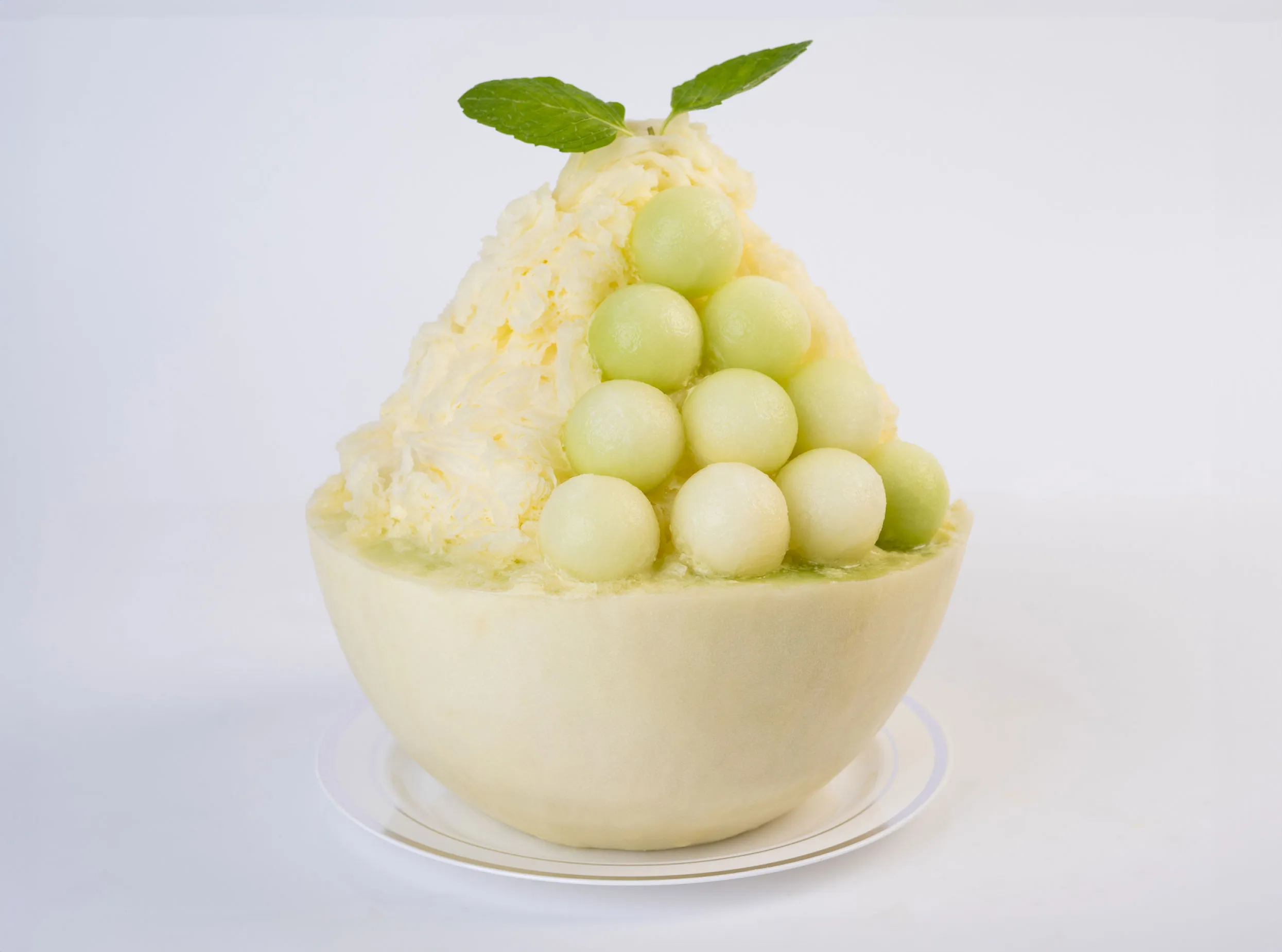
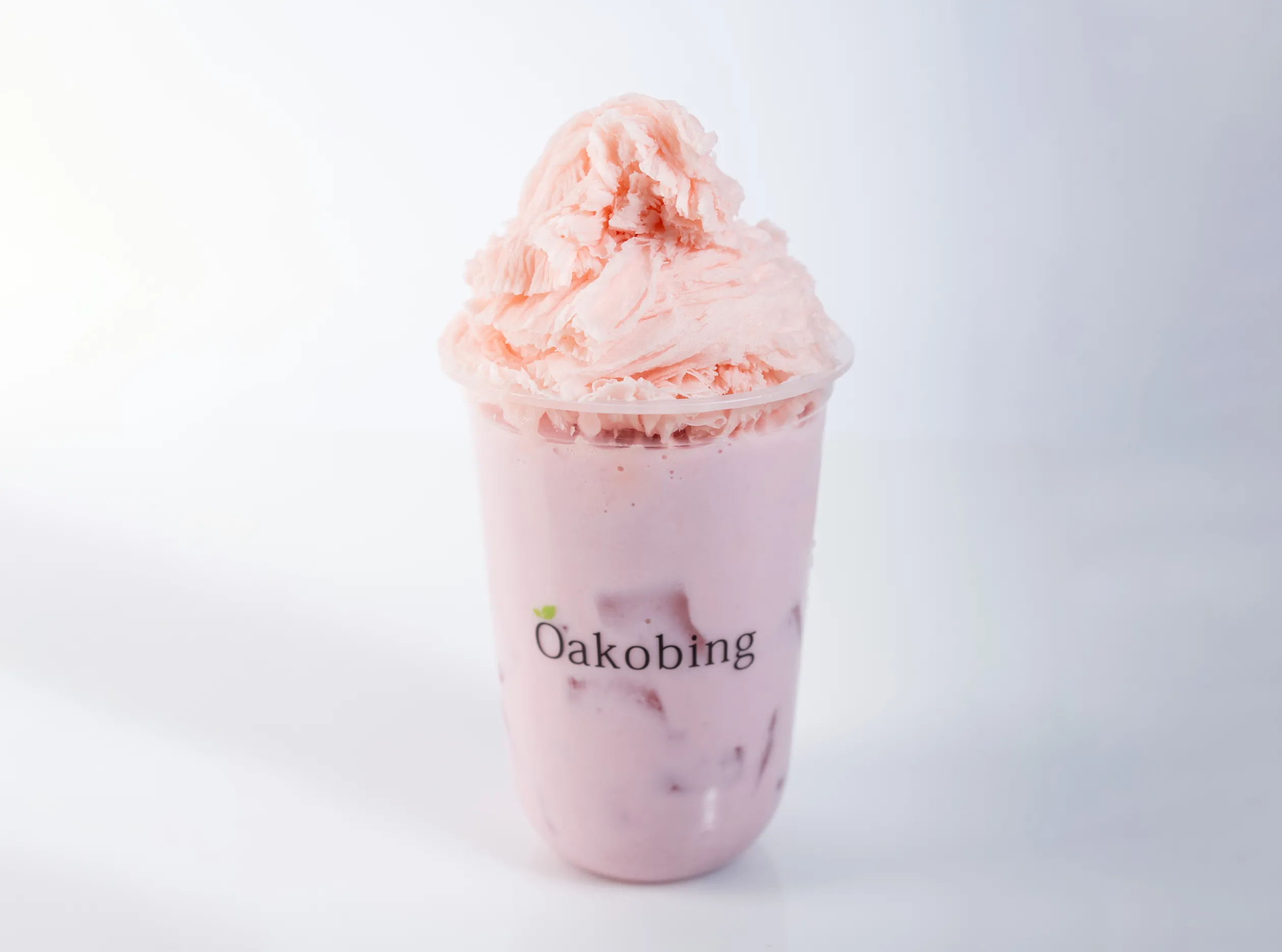
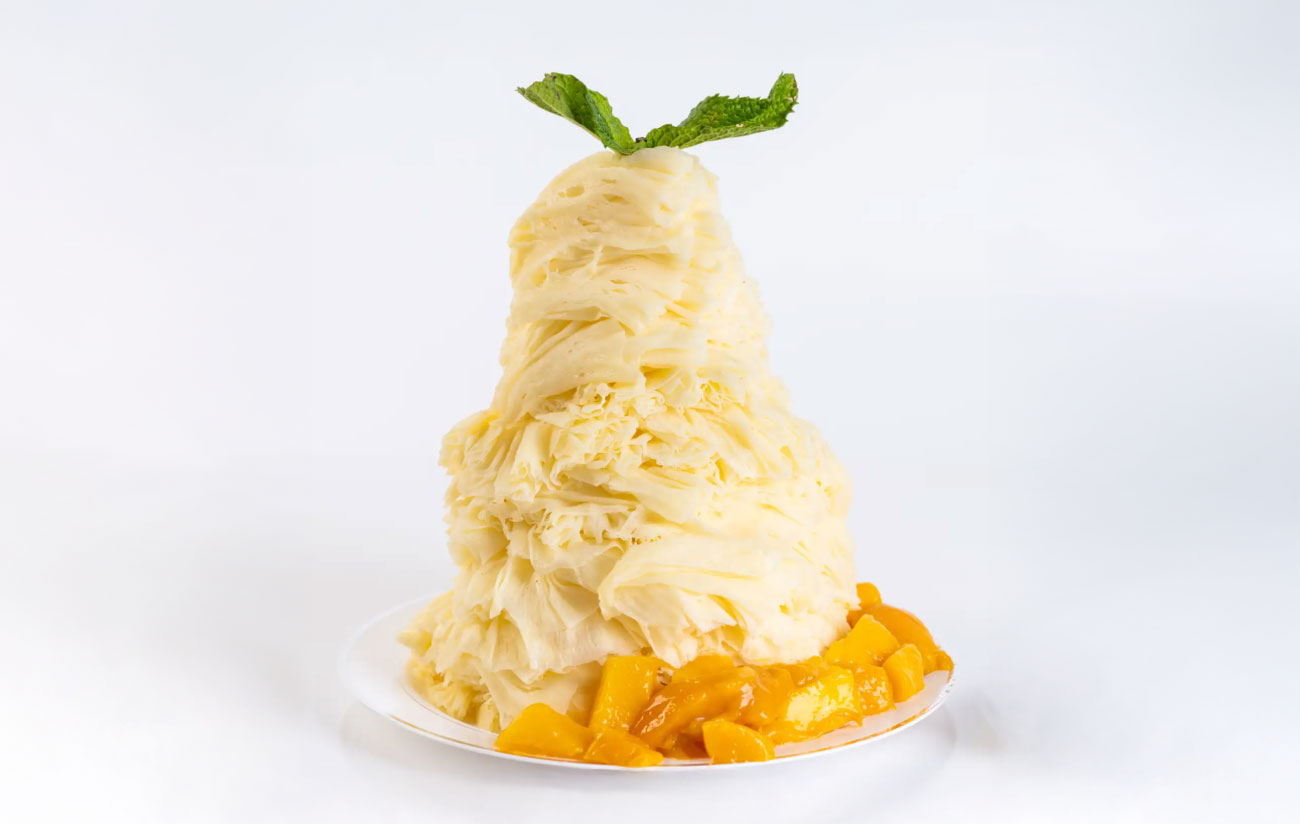
Bingsu goes the opposite direction. The milk is frozen solid and then shaved so thin that the flakes collapse on contact. That texture is the point of the dish, and it is also fragile - which is why bingsu arrives composed, is photographed immediately, and is eaten fast. Oakobing infuses flavor into the milk block itself rather than pouring syrup over plain ice, so the flavor is present in the ice rather than sitting on top of it.
So the two desserts are not really variations on one idea. They are two different answers to the question of what shaved ice should do.
The dairy tells the same story. In halo-halo, evaporated milk is poured over the top at the end, so it runs down through the glass and binds everything once you stir. In bingsu, the dairy is already inside the ice, because the block itself is milk. Nothing has to be poured for the bowl to taste of milk, which is why an unadorned bingsu still tastes finished while plain shaved water ice does not.
The vessels reflect the technique too. Halo-halo is served tall so the layers stack and the spoon can reach the bottom to mix. Bingsu is served wide and shallow so the surface stays broad, the toppings stay visible, and several spoons can work the bowl at once without collapsing it.
Which One Is Sweeter?
Halo-halo, generally. Its components arrive already candied - sweetened beans, macapuno, nata de coco, preserved fruit - and the evaporated milk adds another layer. The result is rich and deliberately loud, which is exactly what people who love it are after.
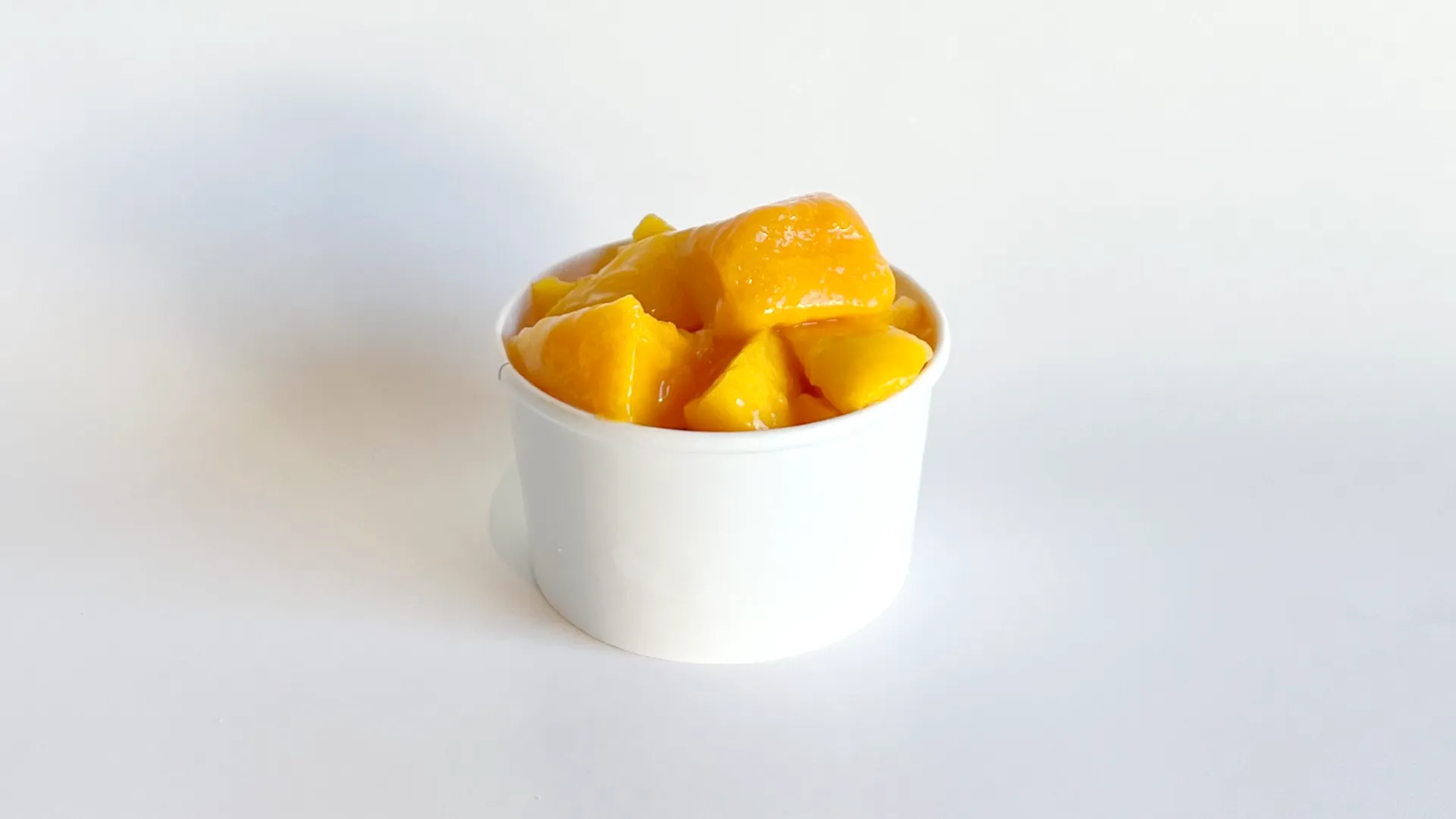
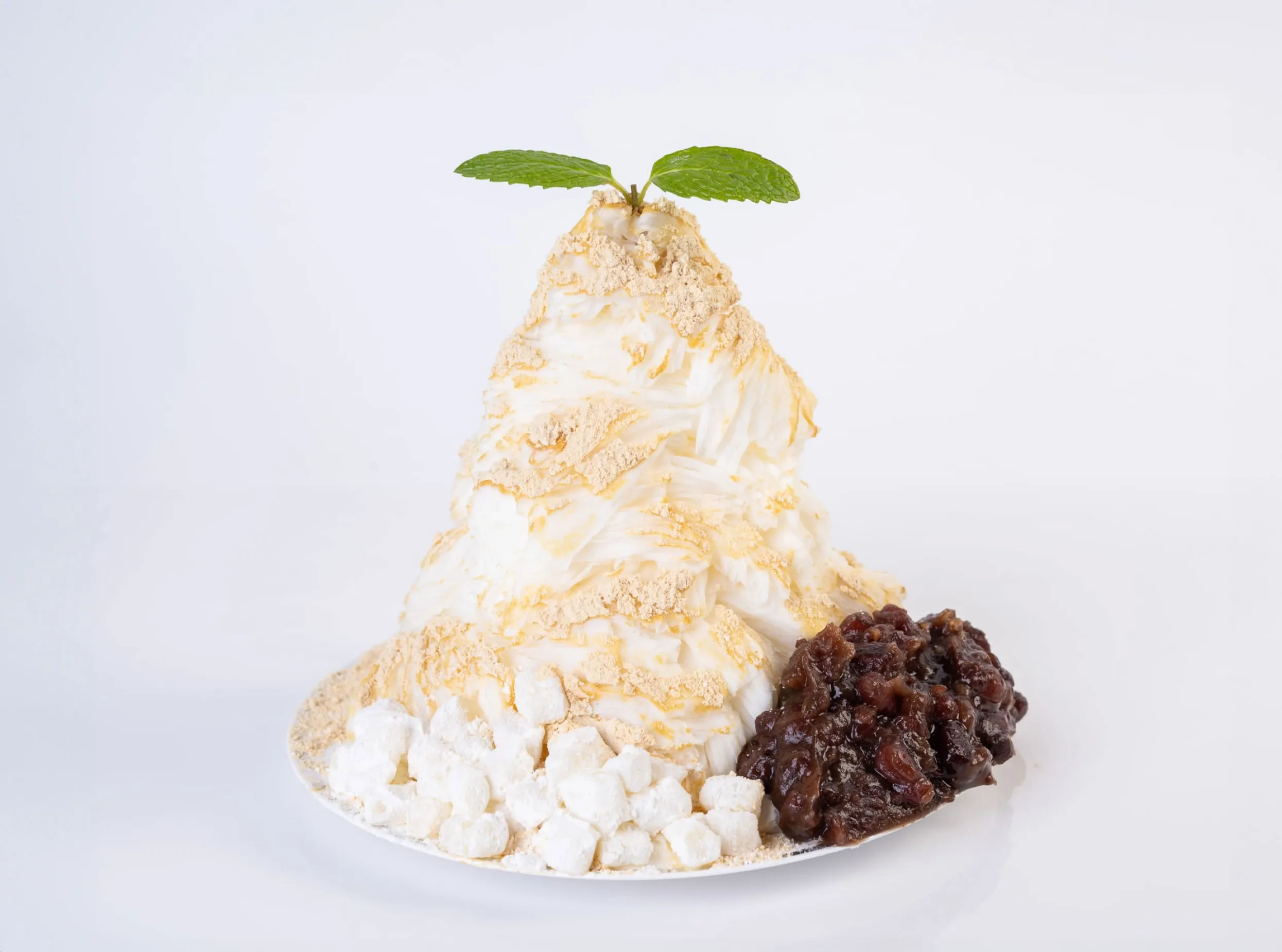
Bingsu runs cleaner. A mango or melon bowl tastes mostly of fruit and milk, and an injeolmi bowl tastes toasted and nutty rather than sugary. That difference is one reason bingsu works well after a heavy meal, when a dessert that reads as sweet-on-sweet can be too much.
Neither approach is more authentic than the other. They come from different food cultures with different ideas about how a cold dessert should finish a meal.
Seasonality separates them as well. Halo-halo relies on preserved and candied components, which is part of why it tastes consistent year round. Bingsu leans on whatever fruit is actually good at the moment, so a mango bowl in late summer and a strawberry bowl in spring are noticeably different orders. If you like a dessert that changes with the calendar, that is a point for bingsu.
Which Should You Order?
Order halo-halo when you want a maximalist dessert - many textures at once, stirred into something no single spoonful can predict. It is a genuinely fun thing to eat.
Order bingsu when you want the texture to be the experience. Fine shaved milk ice is a specific sensation, and layering keeps each spoonful distinct instead of blending everything into one flavor. It also shares better: a wide bingsu bowl is designed for a table, while a tall halo-halo glass is built for one person.
If you are comparing shaved ice styles more broadly, our guide to bingsu vs snow ice vs shaved ice covers where each tradition sits, and you can check locations and hours before you go.
The Short Answer
Halo-halo is crushed ice, sweetened beans, and evaporated milk, stirred into one glass. Bingsu is fine milk ice with fresh toppings, eaten in layers from a shared bowl. If you want to mix, go halo-halo. If you want the ice itself to be the reason you ordered, go bingsu.
Shaving a flavored milk block in house rather than crushing ice is the technical line between the two desserts, and it is the part of the model a franchise system has to supply. Oakobing is currently franchising in Southern California - the franchise page explains how the ice supply works.
Frequently Asked Questions
What is the difference between bingsu and halo-halo?
Both are shaved ice desserts, but they are built and eaten differently. Korean bingsu uses milk frozen into a block and shaved into fine, snow-like flakes, with toppings layered on top so you eat down through them. Filipino halo-halo uses crushed or shaved water ice over a base of sweetened beans, jellies, and preserved fruit, topped with evaporated milk, and the name literally means mix-mix because you stir the whole glass together before eating.
Which is sweeter, bingsu or halo-halo?
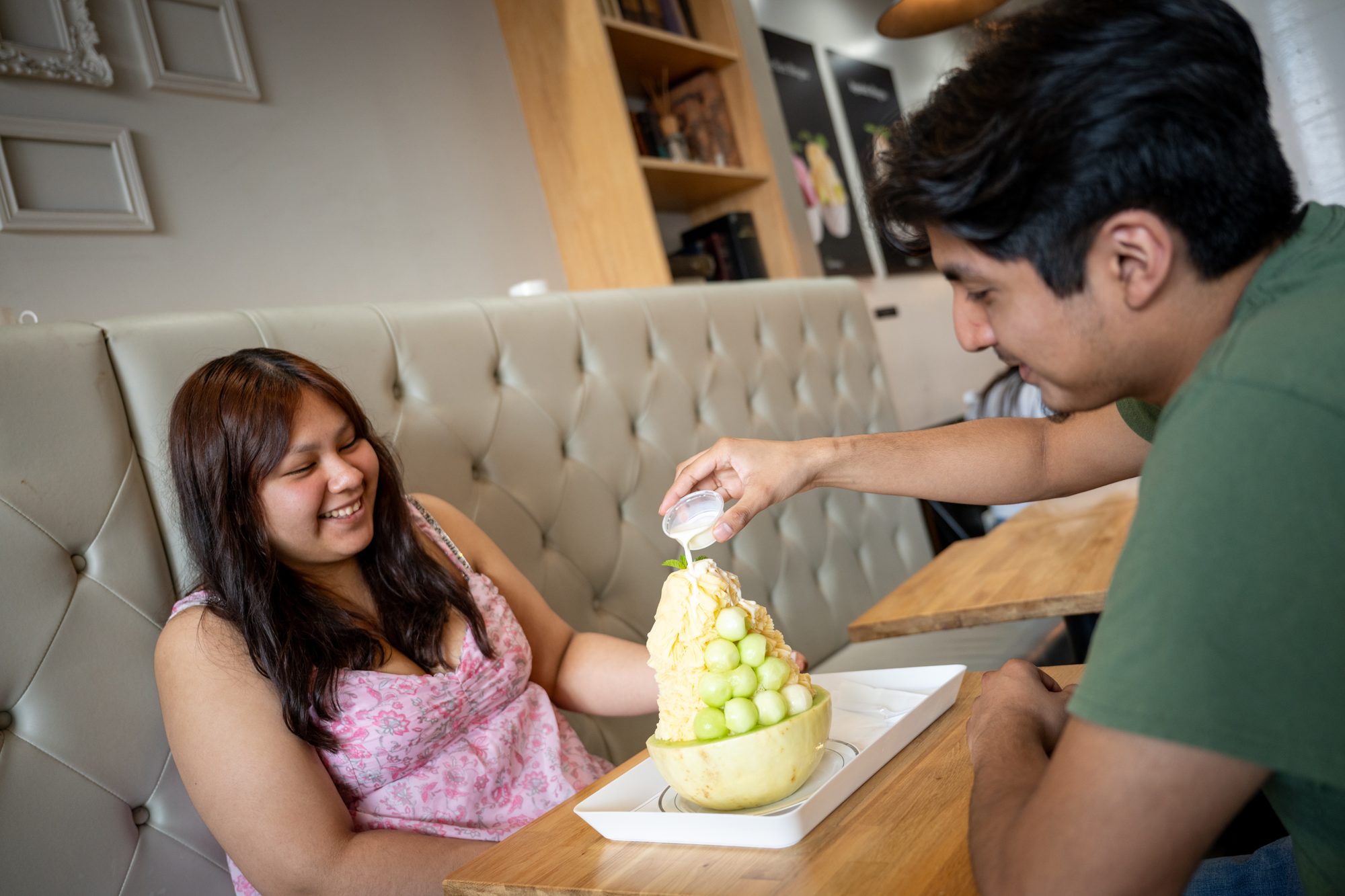
Halo-halo is generally sweeter. Its base ingredients - sweetened beans, macapuno, nata de coco, and preserved fruit - are candied before they reach the glass, and evaporated milk with sugar is poured over the top. Bingsu leans cleaner because the sweetness comes mostly from the milk ice and fresh toppings. At Oakobing the milk drizzle is served on the side so you set the sweetness yourself.
Is the ice the same in bingsu and halo-halo?
No, and this is the biggest technical difference. Halo-halo typically uses crushed or coarsely shaved water ice, which stays granular so it holds up when stirred. Bingsu shaves a frozen milk block into flakes fine enough to collapse on the tongue, which is why bingsu is served in layers and eaten before it melts rather than mixed.
Do you mix bingsu like halo-halo?
Not usually. Halo-halo is designed to be stirred until everything blends into one spoonable mixture. Bingsu is designed to be eaten in layers so each spoonful gives a different ratio of ice, fruit, and powder. Some people fold a bingsu bowl together near the end, but stirring it at the start flattens the texture the shaving was meant to create.
Where can you try Korean bingsu near Los Angeles?
Oakobing serves Korean shaved ice in Koreatown Los Angeles and Old Pasadena, with flavors including mango melon, strawberry, matcha, injeolmi, and Oreo. The milk base is frozen and shaved fine in house, which is what separates bingsu from the crushed-ice style used in halo-halo and most American shaved ice.
You might also like...
Stories about Korean desserts, bingsu culture, and more.