Bingsu vs Snow Ice vs Kakigori: What Is the Difference?
Bingsu vs snow ice vs kakigori comes down to one core difference - the ice base: bingsu is Korean shaved ice made from frozen milk (soft, snowy, creamy), snow ice is Taiwanese shaved ice made from a pre-flavored cream block (thin ribbons, flavored throughout), and kakigori is Japanese shaved ice made from frozen water (light, delicate, syrup-topped). Bingsu is also spelled bingsoo or bing su, and all three refer to the same Korean shaved ice. If you have ever wondered why Korean bingsu feels creamier than the shaved ice at a Japanese spot, the answer is the ice base. Below is a clear side-by-side of these three styles of Asian shaved ice so you know exactly what you are ordering. Want the real thing? See the Oakobing menu.
Bingsu vs Snow Ice vs Kakigori: Quick Comparison
Here is the fastest way to understand the three at a glance:
Bingsu (Korea): ice base of frozen milk; soft, snowy, creamy texture; typical toppings include fruit, red bean, condensed milk, injeolmi, and mochi.
Snow ice (Taiwan): ice base is a pre-flavored cream block; thin, ribbon-like layers; flavored throughout, with a light drizzle on top.
Kakigori (Japan): ice base of frozen water; light, fluffy, delicate texture; finished with flavored syrups and sometimes condensed milk.
The single biggest distinction is the ice itself: bingsu builds creaminess into the ice because the milk is frozen into the ice itself.
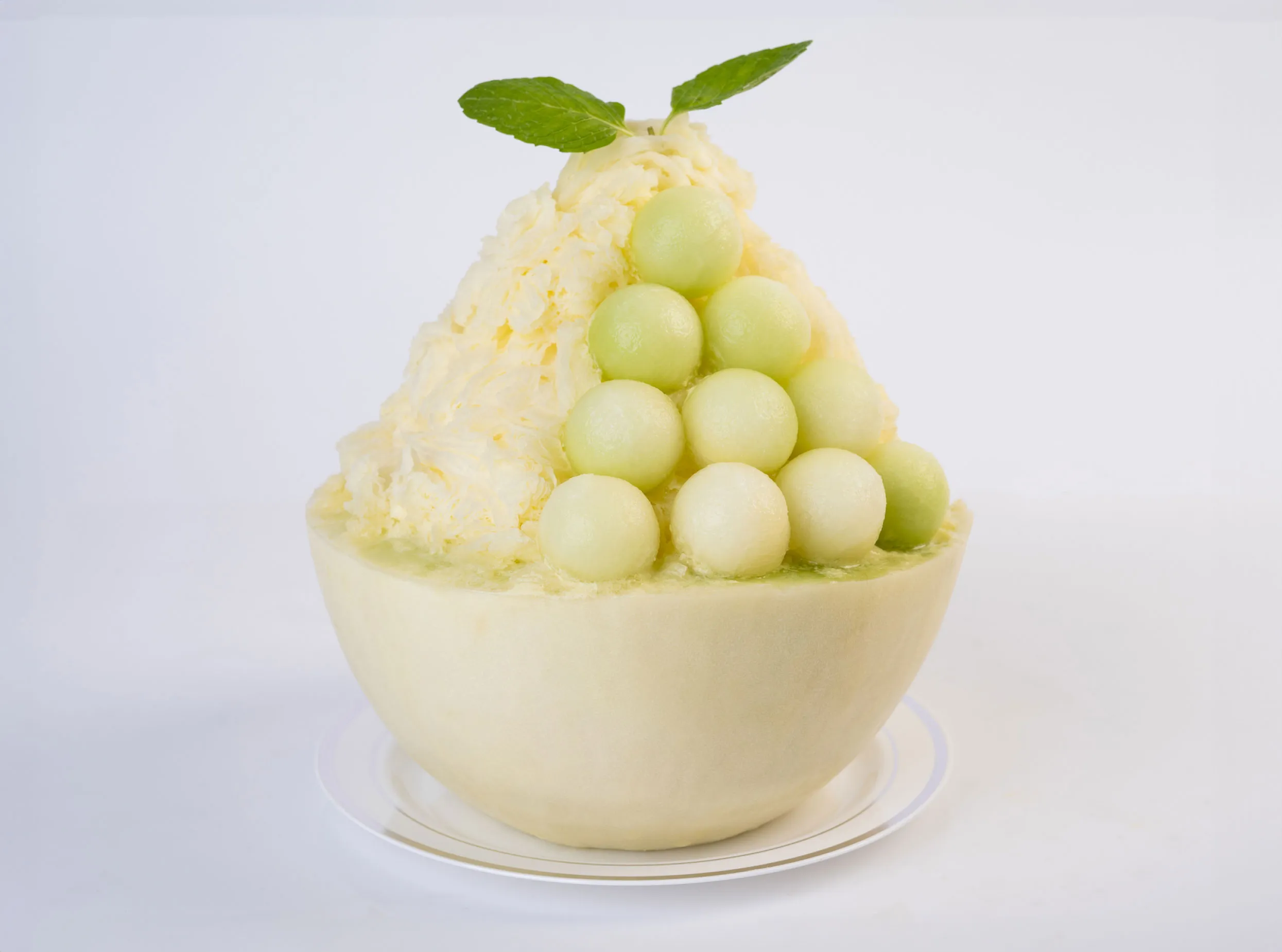
What Is Bingsu (Korean Shaved Ice)?
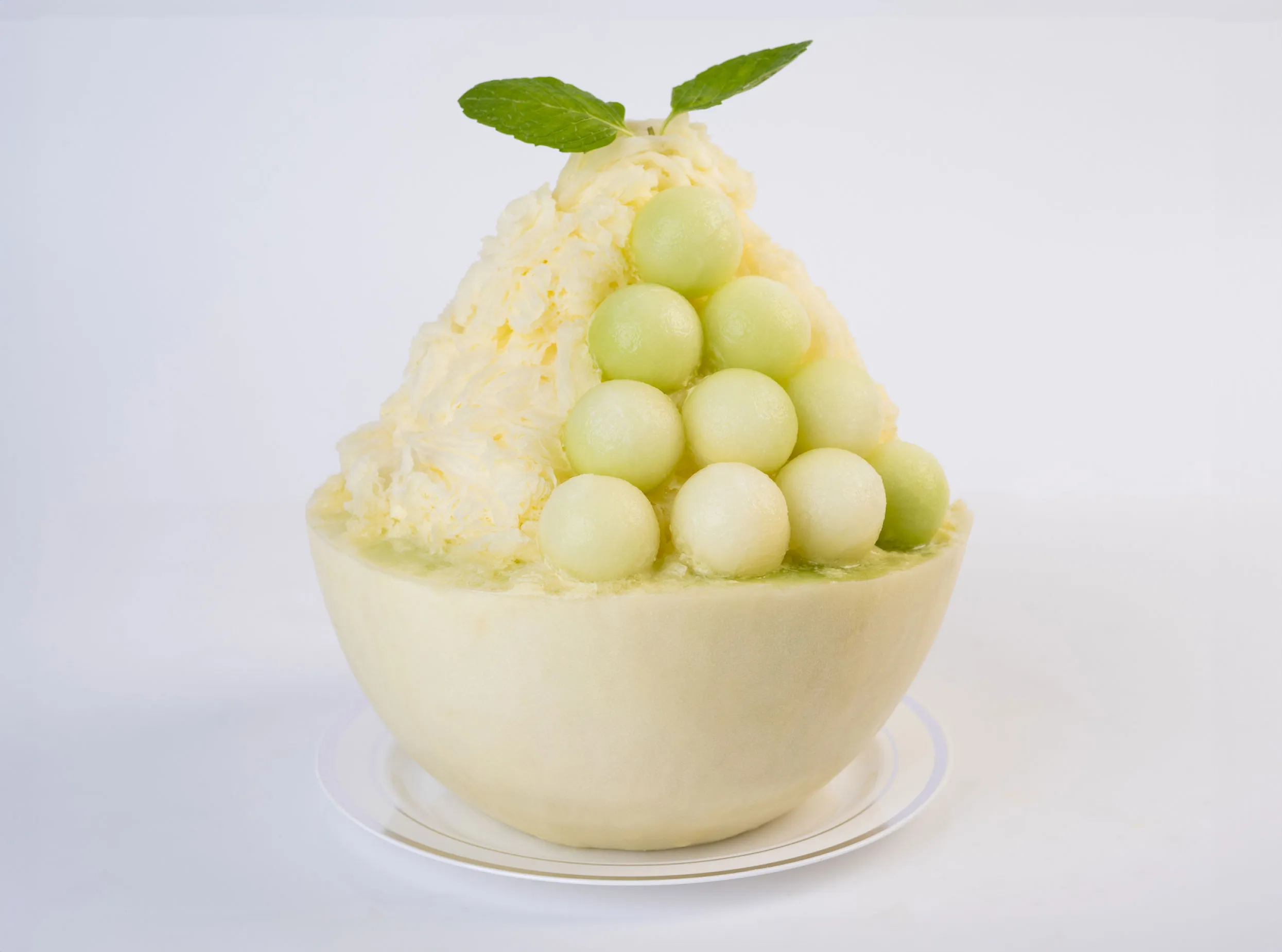
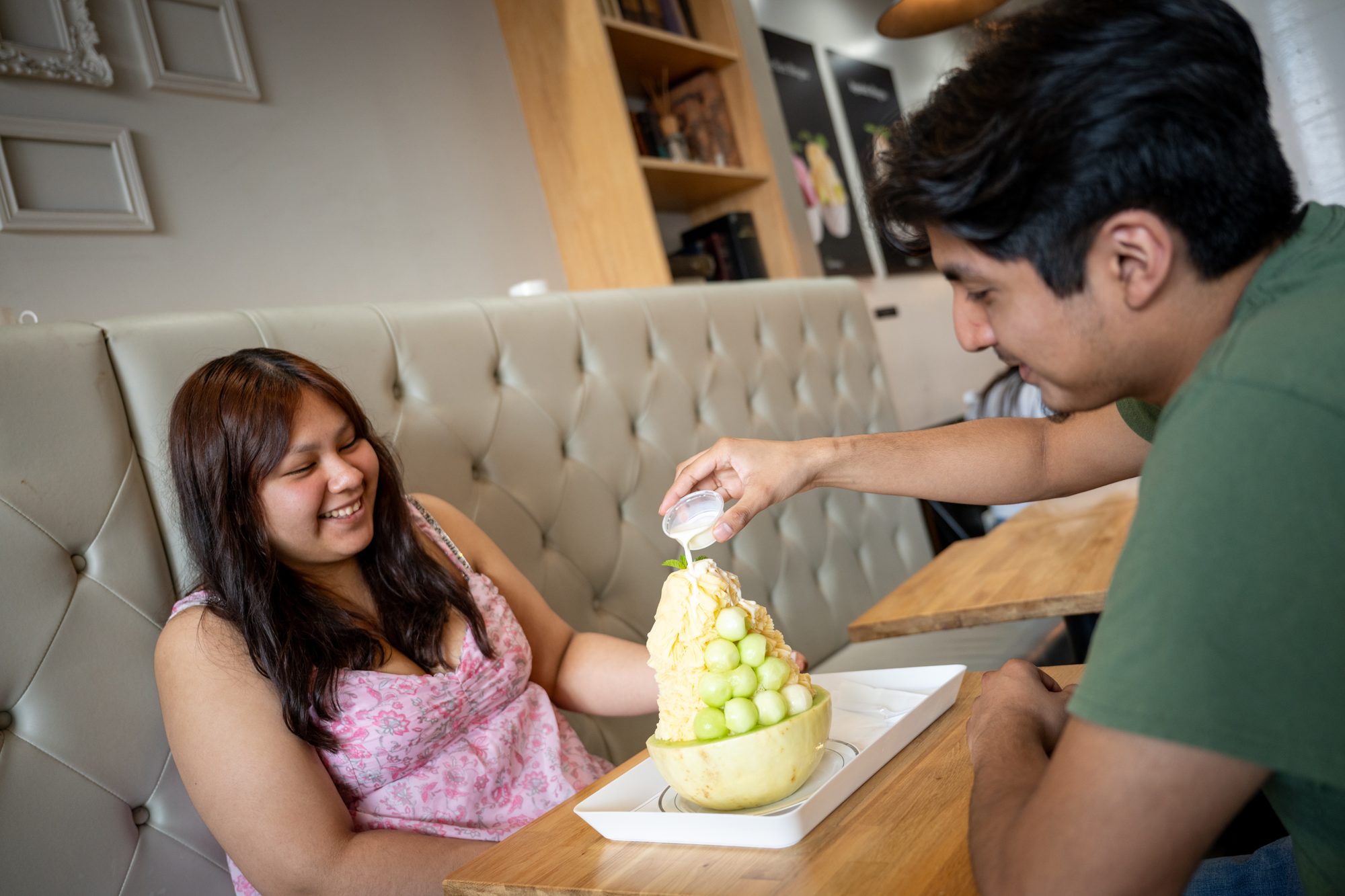
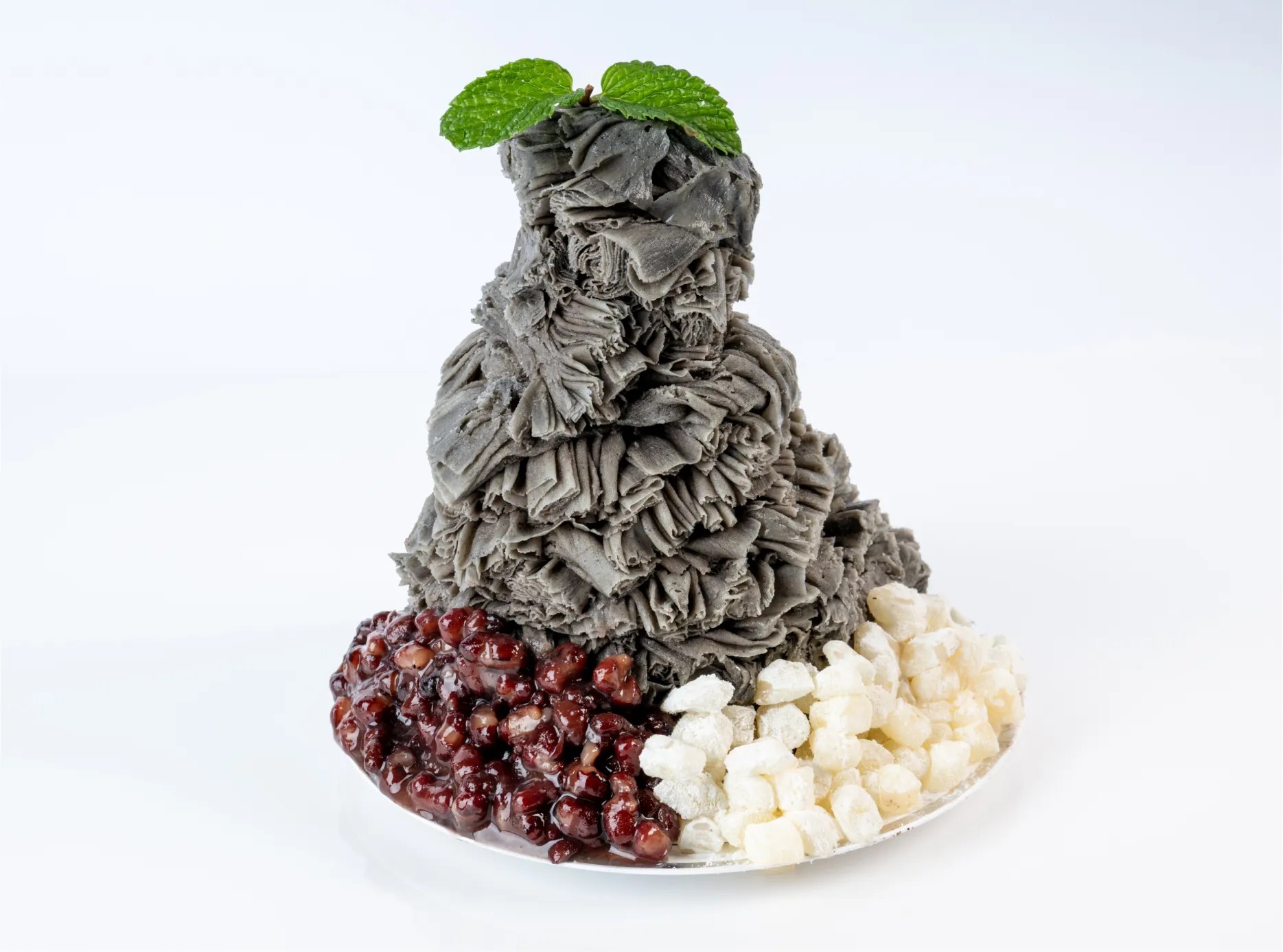
Bingsu is Korean shaved ice made by finely shaving frozen milk into a soft, snow-like mound, then adding toppings. Because the base is milk rather than water, bingsu is naturally creamy before a single topping is added. Classic versions include patbingsu (red bean), injeolmi bingsu (roasted soybean powder with rice cakes), and fruit bingsu with mango, strawberry, or melon. Modern cafes add drizzles like condensed milk or premium builds like Oreo tiramisu. The result is a dessert that is meant to be shared, light on the palate, and generous on top. Try the signature mango melon bingsu to taste the milk-base difference.
What Is Taiwanese Snow Ice?
Snow ice is a Taiwanese dessert made by shaving a frozen block that already has flavor and cream blended in, producing thin, ribbon-like layers that melt almost instantly. Unlike bingsu, the flavor lives inside the ice rather than in the toppings, so a mango snow ice tastes of mango in every shaving. The ribbons stack into a delicate pile that is softer and silkier than water ice but assembled differently from bingsu.
What Is Japanese Kakigori?
Kakigori is Japanese shaved ice made from frozen water, then finished with flavored syrups and sometimes condensed milk. Because it uses water ice, kakigori is the lightest and most refreshing of the three, with a clean, fluffy texture. Traditional flavors include matcha, strawberry, and melon syrup, and upscale versions use house-made syrups and ceremonial-grade matcha.
Which Shaved Ice Should You Try First?
If you have never had any of the three, start with bingsu for the creamiest, most shareable experience, then branch out. As a quick guide: creamy and shareable means bingsu, flavor in every shaving means Taiwanese snow ice, and light and refreshing means kakigori.
Seasonality matters too: all three peak in summer, but bingsu's fruit versions - mango, strawberry, melon - track the fruit season, so a summer mango bingsu is often at its best. Because bingsu is designed to share, it is also the most social order of the three, which is part of why it has become the signature Korean cafe dessert worldwide.
How to Tell Them Apart in One Bite
The ice base is the giveaway - milk ice (bingsu) tastes creamy, cream-blended ribbons (snow ice) taste flavored throughout, and water ice (kakigori) tastes light and clean, which is why the texture is the fastest way to tell them apart.
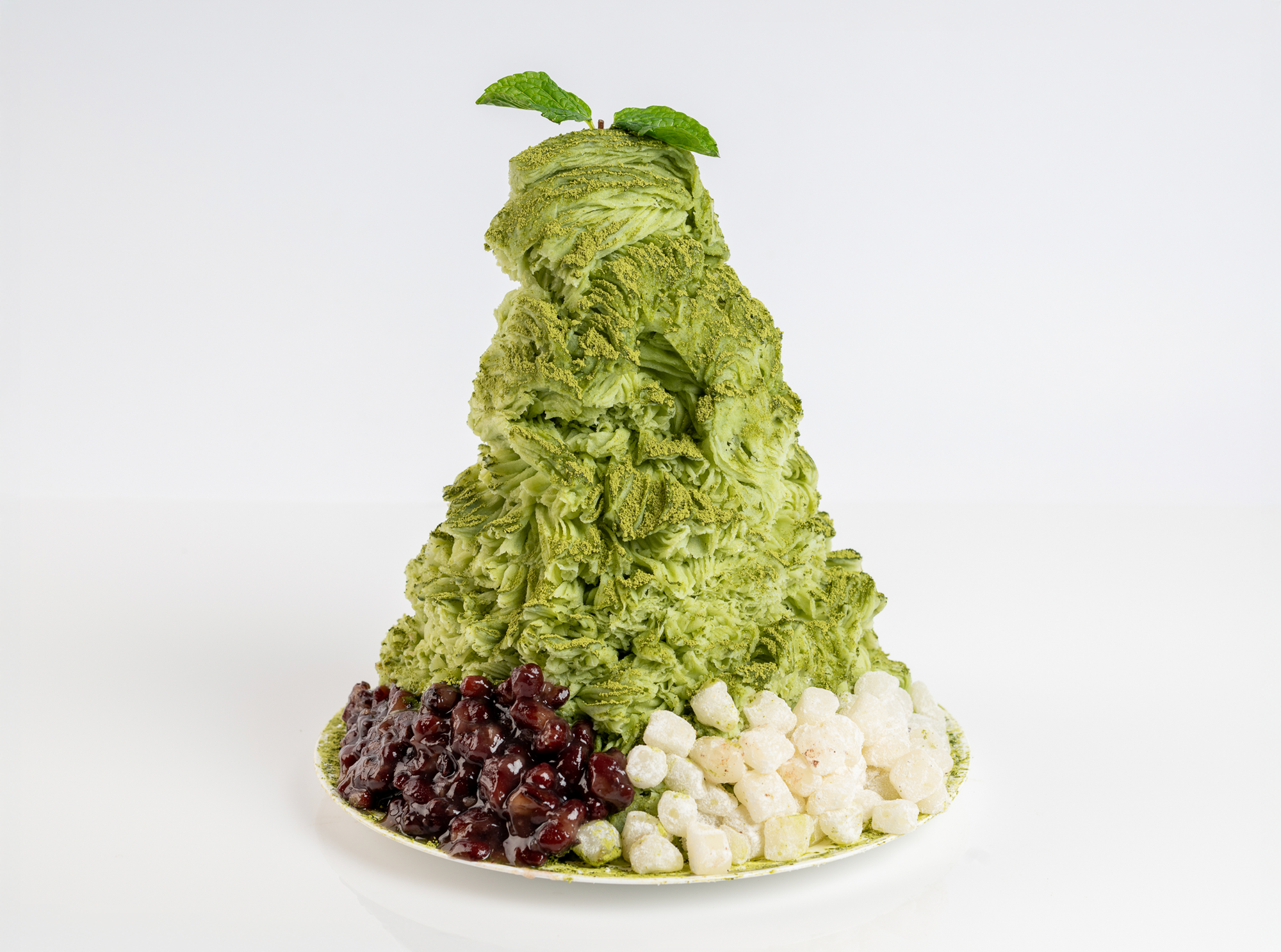
If a shaved ice feels rich and snowy before you even reach a topping, you are eating bingsu. For Korean bingsu in LA, visit an Oakobing location in Koreatown or Old Pasadena.
The milk-base method is the part that separates bingsu from every other shaved ice on this list, and it is the part a franchise system has to standardize. Oakobing is currently franchising in Southern California, and the franchise page has the detail.
Frequently Asked Questions
What is the difference between bingsu and kakigori?
Bingsu is Korean shaved ice made from frozen milk, giving it a soft, snowy, creamy texture, and it is topped generously with fruit, red bean, condensed milk, or injeolmi. Kakigori is Japanese shaved ice made from frozen water, so it is lighter and more delicate, and it is usually finished with flavored syrups. The ice base (milk vs water) is the core difference.
Is bingsu the same as snow ice?
No. Snow ice is a Taiwanese dessert made by shaving a frozen block that already has flavor and cream blended in, producing thin, ribbon-like layers. Bingsu shaves plain or milk ice and adds toppings on top. Snow ice tastes flavored throughout, while bingsu builds flavor from the toppings.
Which shaved ice is the creamiest?
Bingsu is usually the creamiest because the ice itself is made from milk, so creaminess is built into every bite. Taiwanese snow ice is also creamy since cream is blended into the block, while Japanese kakigori is the lightest because it uses water ice.
What is bingsu made of?
Traditional Korean bingsu is made by finely shaving frozen milk into a soft, snow-like mound, then topping it with ingredients like fresh fruit, sweet red bean, condensed milk, mochi, or injeolmi (roasted soybean powder with rice cakes). The milk base is what gives bingsu its signature creamy texture.
Where can I try authentic bingsu in Los Angeles?
Oakobing serves Korean bingsu in Koreatown LA and Old Pasadena, with signature flavors like mango melon, strawberry, and green tea. The ice is shaved fine from a milk base for the soft, snowy texture that defines authentic Korean bingsu.
What about ais kacang?
Ais kacang (also written ice kacang) is the Malaysian and Singaporean take on shaved ice, built on water ice and served over sweet corn, red beans, grass jelly, and palm seed, then finished with condensed milk and rose syrup. Like Japanese kakigori it starts from frozen water, so it lands lighter and icier than Korean bingsu, which is shaved from frozen milk. If you searched for ais kacang near you and found this page, bingsu is the Korean cousin - creamier base, fruit-forward toppings, built to share.
You might also like...
Stories about Korean desserts, bingsu culture, and more.