Korean Cafe Franchise: Why a Bingsu Cafe Stands Out (2026)
A Korean cafe franchise is a cafe concept rooted in Korea's cafe culture, and in 2026 the format that stands out most in Southern California is the bingsu cafe. With Oakobing, the estimated total initial investment for a single unit is $200,000 to $500,000, including a $35,000 initial franchise fee. This is only an estimate. Actual costs may vary. The category is broader than most people expect, though, so if you are weighing a Korean cafe franchise it helps to see what the options are, why a dessert-led cafe separates itself, what the entry looks like, and who the model actually suits. Start on the Oakobing franchise page to see the current opportunity.
What Is a Korean Cafe Franchise?
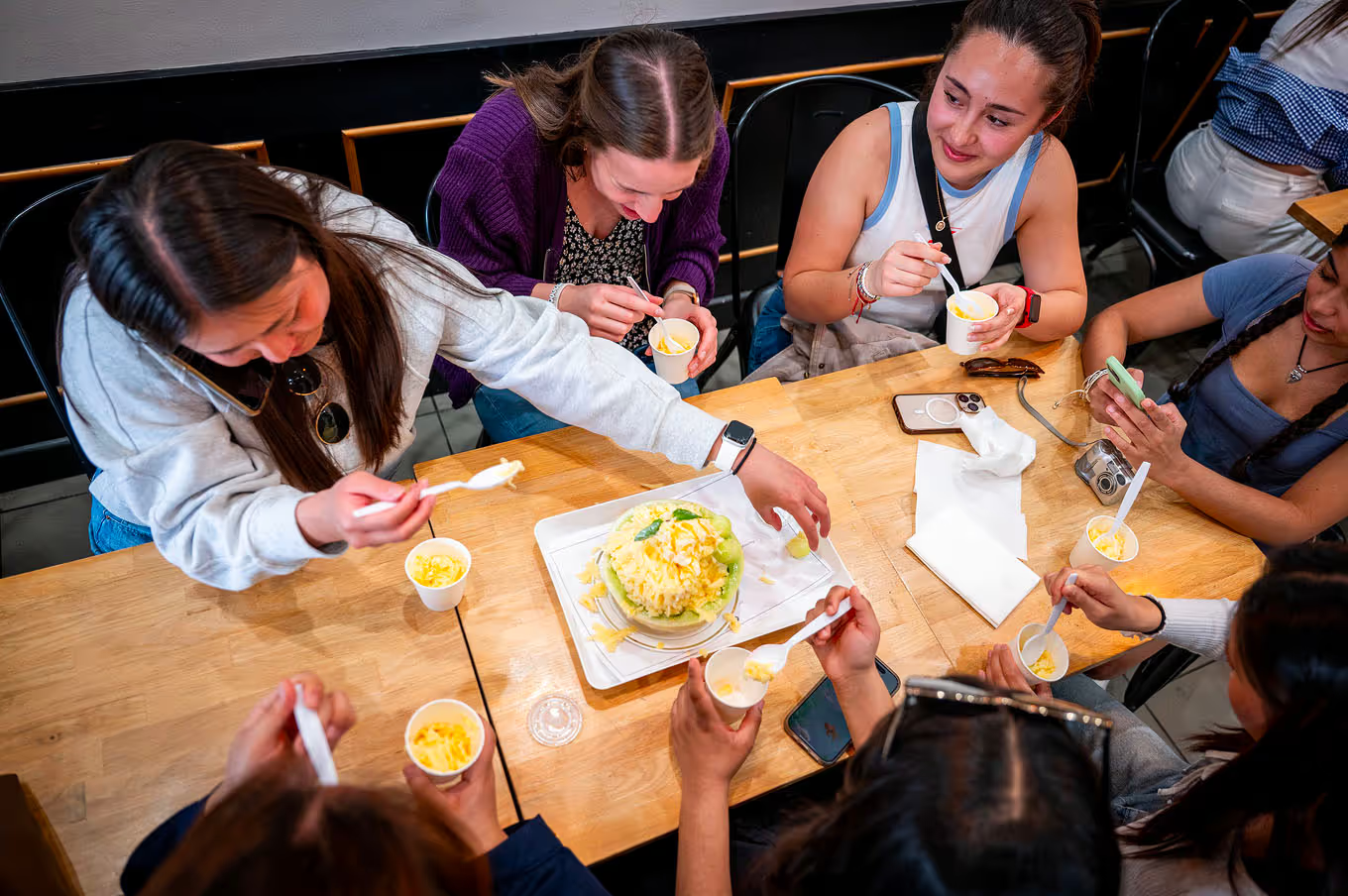
A Korean cafe franchise is a cafe built on the Korean idea that the store is a destination, not a transaction. Customers come to sit, talk, and share something worth photographing, so dwell time is long, the interior does real work, and the menu is designed around items people order together. That single difference in intent shapes everything from seating layout to portion size. Within the category, most brands fall into one of four formats:
- Coffee-forward cafes - espresso and specialty drinks lead, with pastries as support.
- Bakery cafes - Korean-style breads and cakes carry the store, with a full production kitchen behind it.
- Drink-led shops - boba, fruit teas, and blended drinks built for speed and volume.
- Dessert cafes - one signature dessert anchors the menu, with drinks in a supporting role.
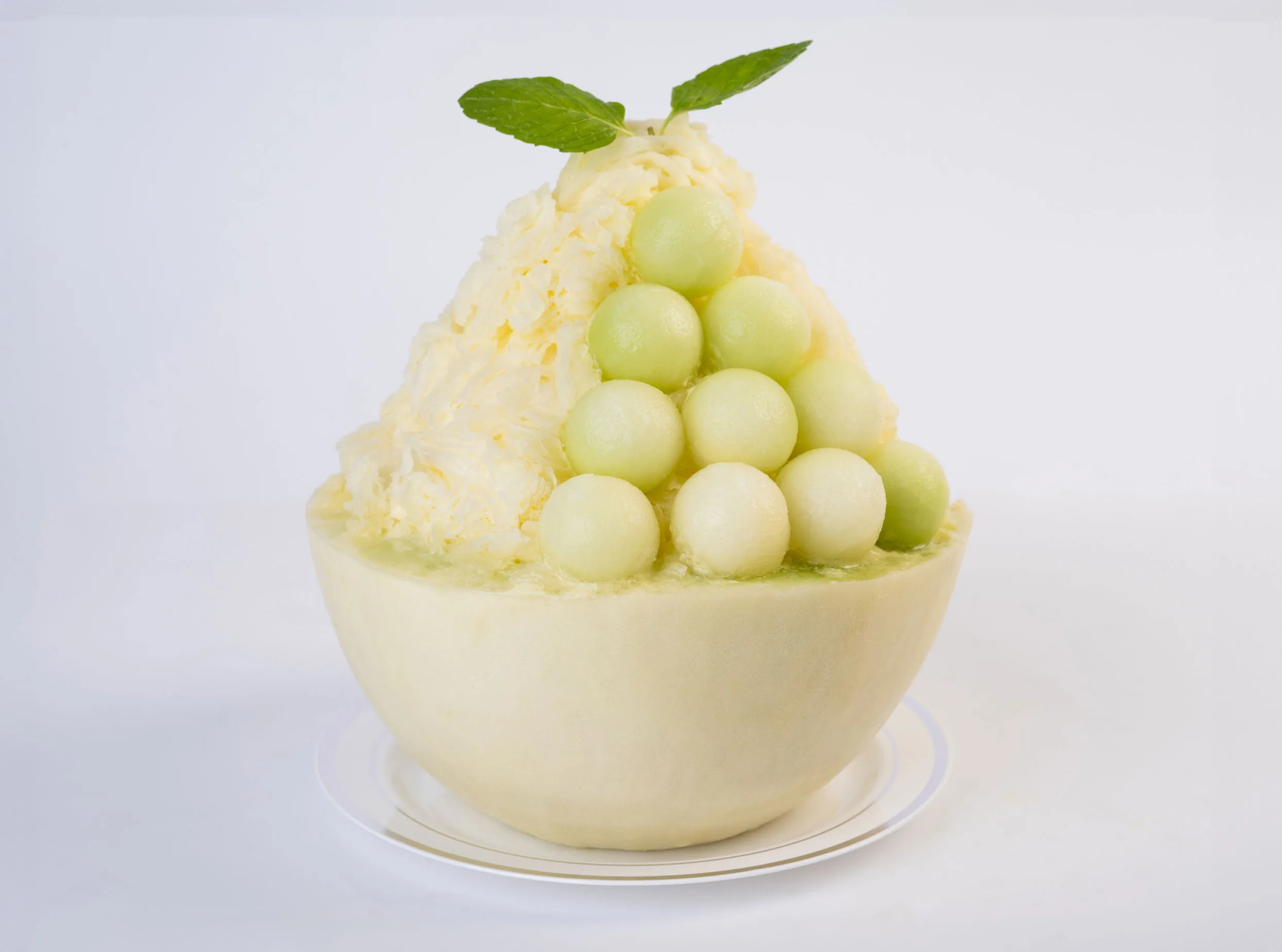
Bingsu sits in that last group, and it is the format with the least competition in Southern California. You can see how the menu is built around a hero item on the Oakobing menu. The distinction matters for a buyer because each format carries a different buildout, a different staffing pattern, and a different competitive field to walk into.
Why Does a Bingsu Cafe Stand Out Among Korean Cafe Franchises?
A bingsu cafe stands out because it leads with a product that national chains have not already put on every corner. Coffee and bakery formats are entering markets where large, well-capitalized brands already sit in the best retail corridors, while Korean shaved ice is still being introduced neighborhood by neighborhood. Several practical advantages follow from that position:
- A hero product, not a commodity - customers come specifically for bingsu, so the store is a destination rather than one more coffee option.
- Built to be shared - a Large is made for two to four people, so the typical visit is a group visit.
- Naturally photogenic - the bowl markets itself on social feeds without paid spend.
- Climate fit - Southern California's long warm season keeps shaved ice relevant far more of the year than a cold-winter market would.
- Light-kitchen format - the line is assembled and finished rather than cooked, so there is no commercial hot line or heavy ventilation to build.
- Steadier traffic pattern - a small coffee, tea, and seasonal drink program gives the store a reason to be open outside peak dessert hours.
That last point is worth underlining: a bingsu cafe is a cafe first and a dessert shop second, which is exactly why it works as a cafe franchise and not just a dessert afterthought.
For a closer look at that format on its own, read the bingsu cafe franchise guide.
What Makes Oakobing Different From Another Dessert Cafe?
Oakobing is a modern adaptation of Korean shaved ice for the American market, not an attempt to recreate a Korean dessert exactly as it is served in Seoul. That distinction shows up in four concrete ways, and each one is something a franchisee can point to when a customer asks why this bowl is different:
- Flavor is infused into the ice itself. The ice blocks are produced in Oakobing's own facility with the flavor built into the block, rather than a plain block with syrup poured over the top.

- Milk drizzle is served on the side. Guests control texture and sweetness themselves instead of receiving a pre-sweetened bowl.
- Portions are built for sharing. The Large is a two-to-four-person bowl, which suits how groups actually order in a cafe.
- The positioning is light, fresh, and guilt-free. It reads as a lighter dessert, which is what brings customers back more than once a season.
The name itself carries the idea - shaved ice inside a jade jar. Oakobing opened its first store on West 6th Street in Koreatown in 2016 and has operated since, with company stores in Koreatown Los Angeles and Pasadena that a candidate can visit before deciding anything. You can see both on the locations page. A tested product line and a working store are the difference between buying a system and buying an idea.
How Much Does a Korean Cafe Franchise Cost in 2026?
The estimated total initial investment for a single Oakobing unit is $200,000 to $500,000, including a $35,000 initial franchise fee. This is only an estimate. Actual costs may vary. The range covers the license and system, leasehold improvements and buildout, equipment, opening inventory, signage, and working capital to carry the store through its first weeks. Buildout is the largest swing factor inside that band: a second-generation space with usable plumbing and infrastructure lands closer to the lower end, while a raw shell pushes toward the top, and local construction rates move the number as much as the brand does. Footprint matters too, since a smaller inline unit in a busy retail corridor is usually cheaper to fit out than a large standalone building. Every franchise brand publishes its own itemized estimate in FDD Item 7, and that document, reviewed with an accountant, is the only responsible basis for a budget. For a fuller breakdown of the category, see the Korean dessert franchise cost guide.
Is Southern California the Right Market for a Korean Cafe Franchise?
Southern California is the strongest market in the country for a Korean cafe concept because the demand and the culture are already in place. Los Angeles County and Orange County together are home to more than 341,000 Korean Americans (U.S. Census Bureau, American Community Survey 2020-2024 5-Year Estimates) - the largest Korean American population center in the United States. Just as important, the wider region carries high Asian American density and an established cafe habit, so a dessert cafe does not have to teach the market what it is for. The markets that fit best are the Los Angeles metro, Orange County, the San Gabriel Valley, and the San Fernando Valley, each with the retail corridors and residential density a destination dessert cafe needs. Oakobing already operates in two of them, which makes the concept proven in this market rather than a hypothesis imported from somewhere else.
Who Should Own One, and How Do You Start?
This model fits an owner who wants an accessible entry into an emerging category and is willing to be present while the store establishes itself. It suits a hands-on first-time owner-operator, because the light-kitchen format is simpler to run than a full-service restaurant and comes with training and a defined system. It suits less well an investor looking for a fully passive holding or the comfort of a household-name brand on every corner. Budget honesty matters as much as temperament: if the top of the estimated range would leave no working-capital cushion, a smaller second-generation site is the more responsible choice. The process starts with information rather than a deposit - visit the franchise page, request the Franchise Disclosure Document, read Item 7 line by line with an accountant, price the buildout with a local contractor, and speak with the franchisor's team - and, as the system grows, existing franchisees - about what the day actually looks like. To check yourself against the profile first, read the bingsu franchise requirements. This article is a general overview and not financial advice; review the full FDD and consult your own advisors before making any franchise decision. Oakobing is currently franchising in Southern California.
Frequently Asked Questions
What counts as a Korean cafe franchise?
A Korean cafe franchise is a cafe concept rooted in Korea's cafe culture, where the store is a social space people linger in rather than a quick service window. In practice the category splits into coffee-forward cafes, bakery cafes, drink-led shops, and dessert cafes built around a signature item such as bingsu. All of them share long dwell times, a design-conscious interior, and menu items meant to be shared and photographed, which is what separates them from a standard grab-and-go coffee counter.
Do I need to be Korean or speak Korean to own one?
No. Oakobing franchisees are selected on capital, operating commitment, and market fit rather than background or language, and the training program is built to bring a first-time owner up to speed on the product and the daily operation. What matters far more is genuine interest in the concept and a willingness to be hands-on in the early months, because an emerging category is introduced neighborhood by neighborhood. Candidates should still review the Franchise Disclosure Document and talk with the franchisor's team - and, as the system grows, existing franchisees - before committing.
How much does a Korean cafe franchise cost with Oakobing?
The estimated total initial investment for a single Oakobing unit is 200,000 to 500,000 dollars, including a 35,000 dollar initial franchise fee. This is only an estimate. Actual costs may vary. The range covers the license and system, buildout and leasehold improvements, equipment, opening inventory, signage, and working capital for the early weeks, and any brand's exact line items appear in FDD Item 7, which should be reviewed with an accountant.
Does a bingsu cafe only work in summer?
Not in Southern California. The region's warm, long season keeps shaved ice relevant far more of the year than it would be in a cold-winter market, and a bingsu cafe is a cafe first, so a small program of coffee, tea, and seasonal drinks keeps the store useful on cooler days. Oakobing has operated through every season in Los Angeles since 2016, so the seasonal pattern is a known part of the model rather than a surprise.
Where is Oakobing accepting Korean cafe franchise candidates?
Oakobing is currently franchising in Southern California, with the Los Angeles metro, Orange County, the San Gabriel Valley, and the San Fernando Valley as the natural fits given their dessert-cafe culture and high Asian American density. The company runs its own stores in Koreatown Los Angeles and Pasadena, so candidates can visit a working location before deciding. Confirming that a target site sits inside that footprint is the practical first step.
You might also like...
Stories about Korean desserts, bingsu culture, and more.