
How to Open a Korean Dessert Franchise in California (2026)
To open a Korean dessert franchise in California, you qualify financially, review the Franchise Disclosure Document (FDD), secure a protected territory, sign the franchise agreement, build out a site, complete training, and launch - and California's LA and Orange County markets are the strongest place to start in 2026. A Korean dessert franchise like Oakobing puts you in the fast-growing bingsu category with a focused product and supply-chain support. Below is the step-by-step path, what it costs, and where to open. Start with the Oakobing franchise page to request details.
Why Open a Korean Dessert Franchise in California First?
California is the best launch market for a Korean dessert franchise because it has both the densest customer base and the highest-income franchise territories. California's Los Angeles County and Orange County together are home to more than 341,000 Korean Americans (U.S. Census Bureau, American Community Survey 2020-2024 5-Year Estimates) - the largest Korean American population center in the country. Orange County suburbs such as Irvine, Fullerton, Buena Park, Anaheim, Cerritos, and Garden Grove combine strong demand with high household income. Add warm, year-round weather that suits an icy dessert and existing familiarity with Korean food culture, and California becomes the most attractive launch market in the country.
.png)
That demand is already visible online: the bingsu category has grown roughly 23% since 2023, and Oakobing ranks among the top results for searches it never originally targeted. For an operator, entering a growing, low-saturation category in its strongest geographic market is exactly the early-mover advantage that matters.
What Are the Steps to Open a Korean Dessert Franchise?
Opening a Korean dessert franchise follows a clear, repeatable sequence. Each step protects both you and the brand:
- Inquire and qualify - submit an inquiry through the franchise page and confirm you meet the financial requirements (liquid capital and net worth).
- Review the FDD - read the Franchise Disclosure Document carefully, ideally with a franchise attorney and an accountant.
- Confirm territory - identify and reserve a protected territory in a target California market.
- Sign the franchise agreement - execute the agreement and pay the initial franchise fee.
- Select and build the site - choose a location that fits the model and complete the buildout and equipment install.
- Train - complete Oakobing's initial training on product, operations, and systems.
- Launch - open with grand-opening marketing support and ongoing operational guidance.
Most of the financial and legal diligence happens in the first three steps, well before any store opens its doors. Treat that diligence as the most important work of the entire process.
.png)
How Much Does It Cost to Open a Korean Dessert Franchise?
Oakobing lists a franchise fee, a grand-opening marketing fee, a five-year term, and an estimated total investment range that covers buildout, equipment, and opening costs. The exact numbers - including royalty and marketing percentages - are detailed in the FDD and shared with qualified candidates. When you evaluate the cost, look past the headline fee and model the full picture:
- Initial franchise fee - the one-time fee to join the system.
- Buildout and equipment - the largest variable, driven by site condition and size.
- Opening costs - initial inventory, hiring, and grand-opening marketing.
- Ongoing fees - royalty and marketing percentages on revenue.
- Working capital - a reserve to carry the store through ramp-up.
A focused dessert concept like bingsu typically carries a smaller footprint and simpler operations than a full-service restaurant, which can keep buildout and labor more contained - but always confirm the specifics against the current FDD.
What Makes Bingsu a Strong Franchise Product?
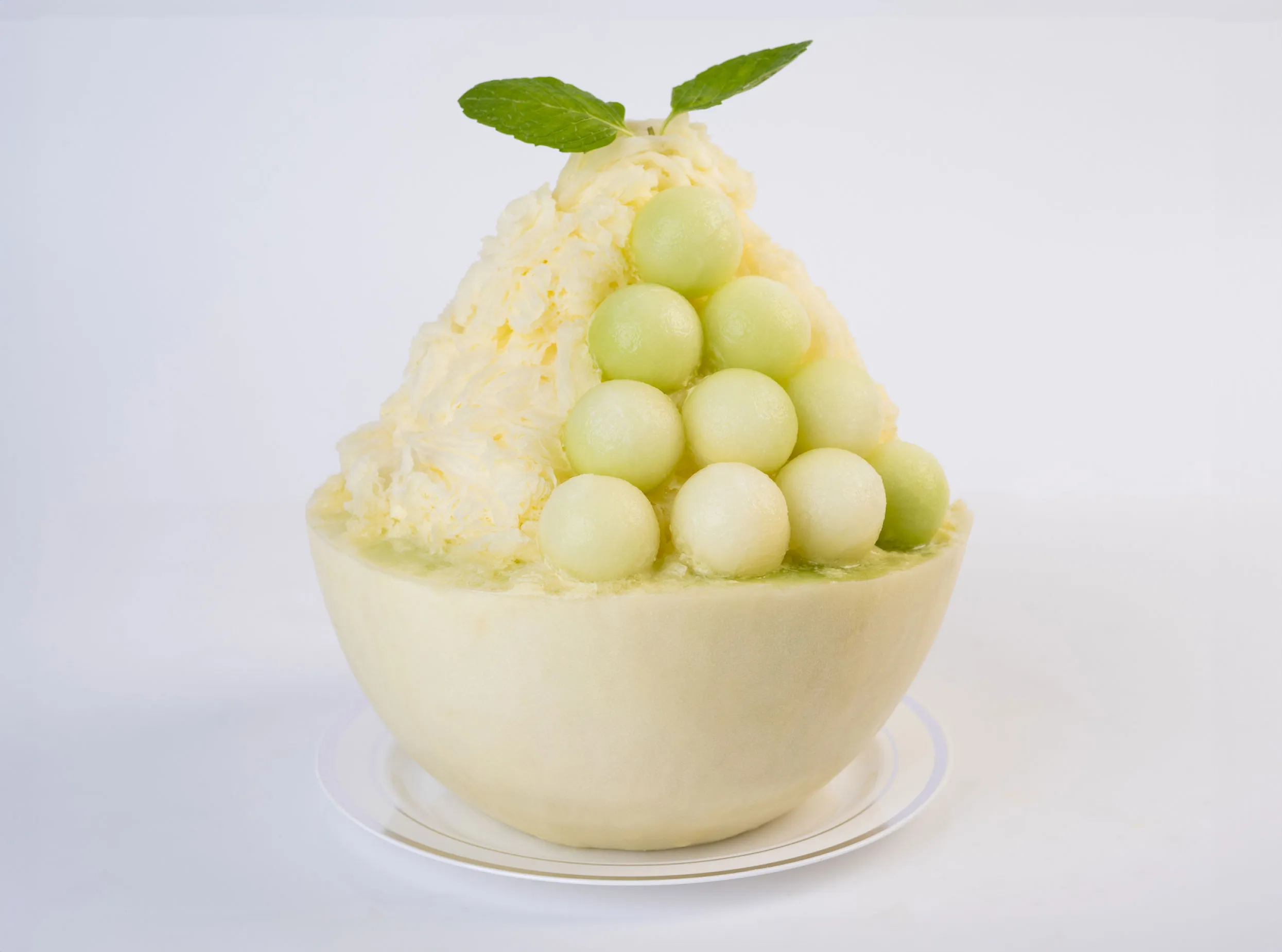
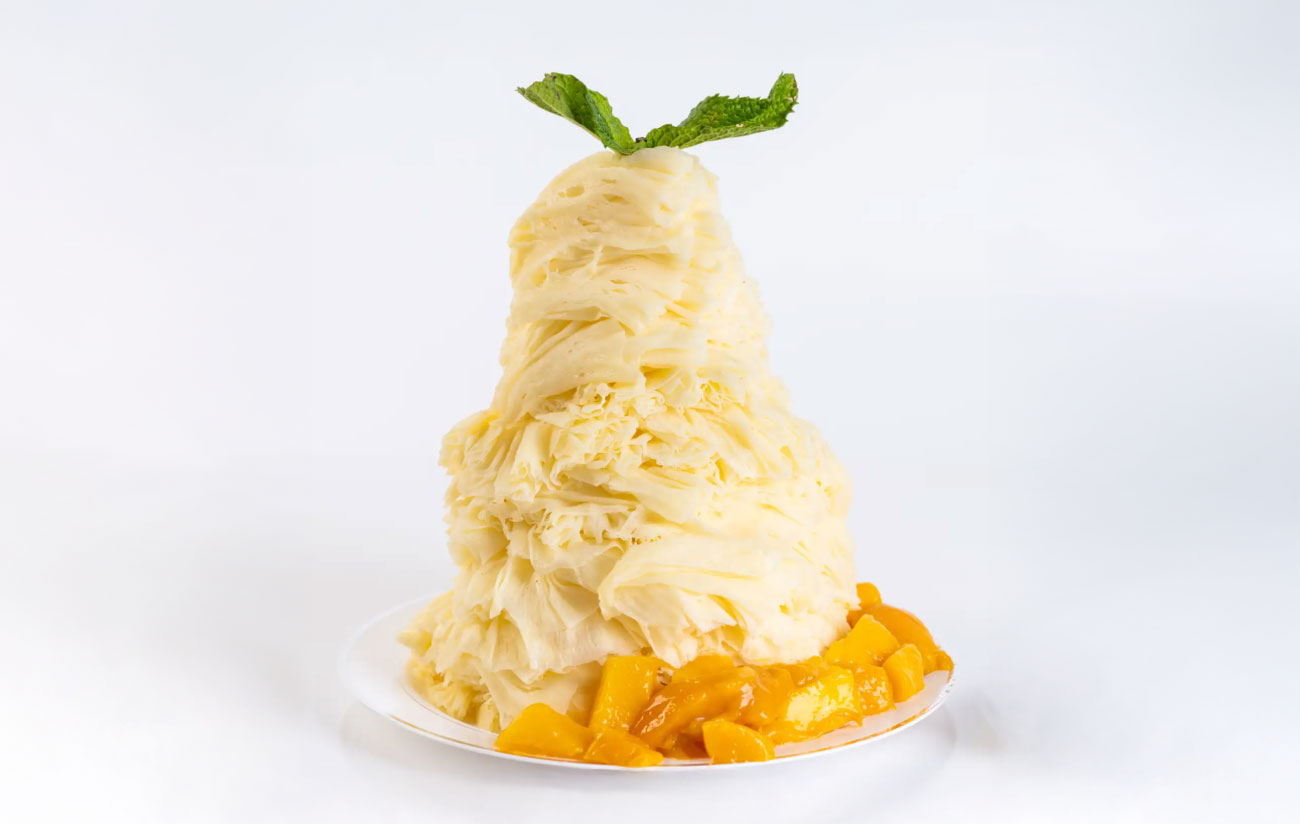
Korean bingsu is finely shaved, snow-like ice - often milk-based - layered with fresh fruit, mochi, red bean, and matcha. (New to it? Here is what bingsu is.) As a franchise product it has three operational advantages:
- One focused product, many variations - fruit-forward, matcha, nutty, and dessert-style bowls serve different tastes without diluting the brand.
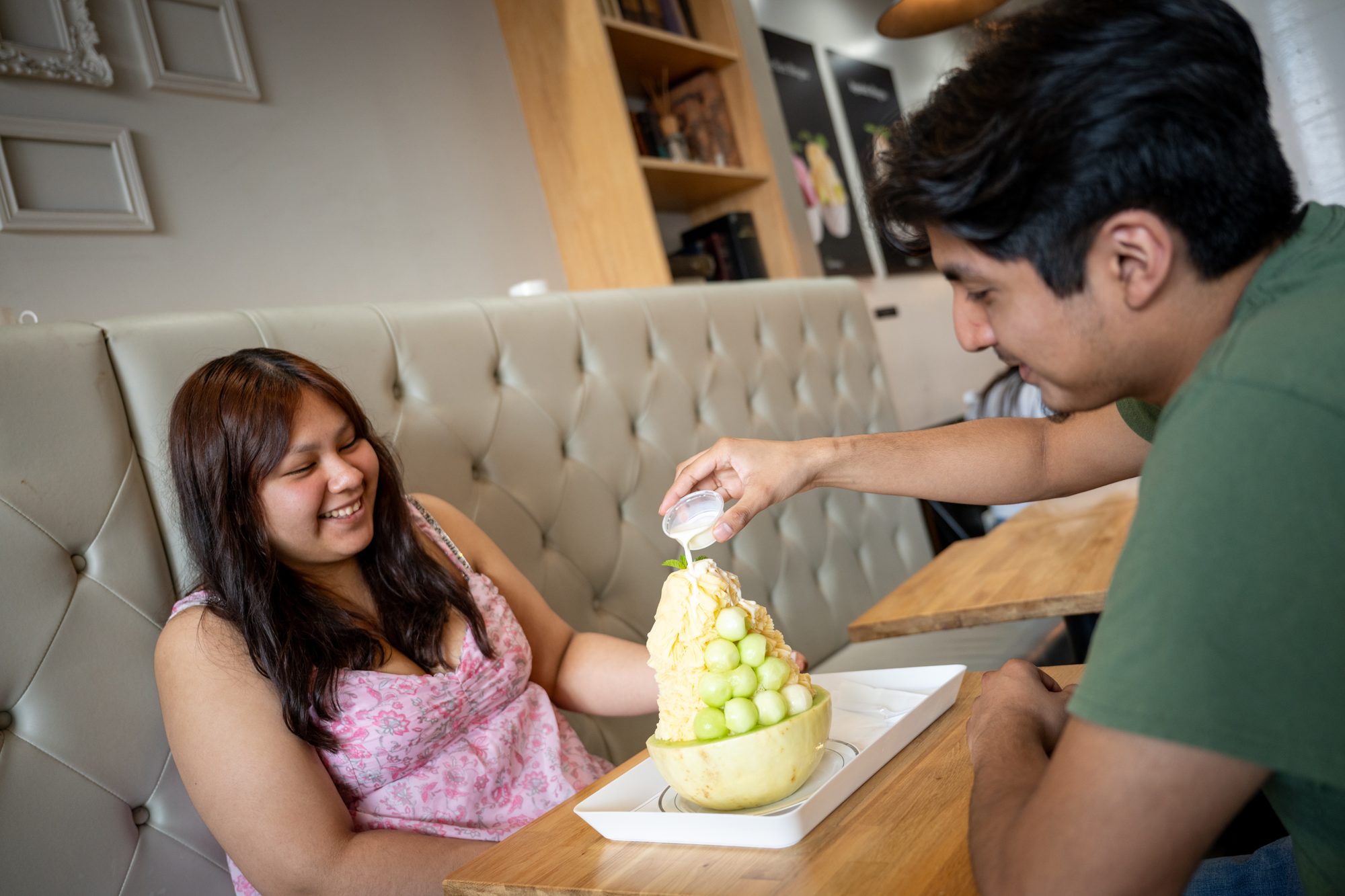
- Shareable and photogenic - large bowls built for two to four people spread organically on social media, reducing paid-marketing dependence.
- Supply-chain support - Oakobing delivers flavored shaved-ice blocks to franchisees, which protects quality and simplifies in-store prep.
That supply model is central. Rather than asking each operator to recreate the product from scratch, Oakobing ships the core ingredient ready to shave, assemble, and serve. This is how the system protects a consistent guest experience across every location. To see the full lineup franchisees serve, browse the Oakobing menu.
What Training and Support Will I Receive?
A Korean dessert franchise is only as strong as the support behind it. Oakobing provides initial training that covers bingsu preparation, store operations, supplier and inventory management, POS and ordering systems, and food safety - including hands-on product time. Ongoing support continues after opening with operational check-ins, recipe and seasonal-menu updates, marketing playbooks, and territory-specific guidance.
For a first-time operator, the combination of structured training and a supply chain that delivers the core product lowers both the learning curve and the risk of an inconsistent launch. You focus on hospitality, staffing, and local marketing rather than on inventing recipes.
How Do I Choose the Right California Territory?
Territory selection is where many of the long-term economics are decided. Within California, prioritize areas that pair high Asian American density with high household income and strong foot traffic - which is why Orange County suburbs rank so highly. When you evaluate a specific site, weigh:
- Demographics - local Korean American population and broader dessert-spending demographics (Gen Z and millennials).
- Co-tenancy and traffic - nearby restaurants, retail, and evening foot traffic that support a dessert stop.
- Visibility and parking - easy access for both dine-in and delivery-driver pickup.
- Protected radius - how the territory protects you from nearby same-brand units.
For a wider view of why this category is timed well, see our guide to the best dessert franchise opportunities in 2026 and the deeper look at the Asian dessert franchise category.
What Should I Evaluate Before Signing?
Strong diligence separates a sound investment from an impulse purchase. Before you sign, work through a short checklist: review the FDD in full (fee, royalty, marketing, term, and the estimated investment range); model unit economics such as average ticket and food and labor ratios; confirm the protected territory and the distance to the nearest existing or planned unit; clarify exactly what initial training and ongoing support are included; and honestly assess fit, because the most successful operators care about hospitality and product quality, not only the financial return.
Doing this homework upfront is exactly the diligence Oakobing encourages from every prospective franchisee - and it is the difference between chasing a trend and building a durable business. To begin, review the Oakobing franchise page, request the FDD, and check territory availability in your target California market.
Opening a Korean dessert franchise in California is a clear, staged process: qualify, study the FDD, lock a strong territory, build out, train, and launch. None of the steps are exotic, but each one rewards patience and homework over speed, and the operators who treat diligence as the real work tend to open the strongest stores. For investors who move early in the right market, Oakobing offers a differentiated, supply-chain-backed path into the growing bingsu category - starting in the densest Korean American market in the country.
Frequently Asked Questions
How do I open a Korean dessert franchise in California?
The path is: submit an inquiry and qualify financially, review the Franchise Disclosure Document (FDD), confirm a protected territory, sign the franchise agreement, secure a site and build it out, complete training, and launch. With Oakobing, California's LA and Orange County markets are the priority territories for a Korean dessert franchise.
How much does it cost to open a Korean dessert franchise like Oakobing?
Oakobing lists a franchise fee, a grand-opening marketing fee, a five-year term, and an estimated total investment range that covers buildout, equipment, and opening costs. The exact figures, royalty, and marketing percentages are detailed in the FDD, which is shared with qualified candidates.
What are the best California markets for a Korean dessert franchise?
The LA metro is the largest Korean American market in the US, and Orange County suburbs such as Irvine, Fullerton, Buena Park, Anaheim, and Cerritos combine high demand with high household income. These are Oakobing's top-priority territories in California.
Do I need restaurant experience to open a bingsu franchise?
Prior food-service experience helps but is not required. Oakobing provides initial training on bingsu preparation, operations, and systems, and the supply chain delivers flavored shaved-ice blocks to each store, which lowers the learning curve for new operators.
How long does it take to open a Korean dessert franchise?
Timelines vary by site, permitting, and buildout, but the general sequence is qualification and FDD review, then territory and signing, then site selection and construction, then training and launch. Site selection and local permitting are usually the biggest variables.
You might also like...
Stories about Korean desserts, bingsu culture, and more.