Starting a Shaved Ice Business: Costs, Margins & Steps (2026)
To start a shaved ice business in 2026, you choose a format, handle licensing and a location, buy equipment, set up suppliers, and launch - and a Korean bingsu franchise like Oakobing is one of the strongest versions of that path because it adds a proven product, a supply chain, and training. Shaved ice is one of the most approachable food businesses to enter: low ingredient cost, simple operations, and strong margins. Below is what it costs, what drives profitability, and how to launch. Start with the Oakobing franchise page to request details.
What Does It Cost to Start a Shaved Ice Business?
Startup cost depends almost entirely on format. The same product can launch as a cart or as a full cafe, and the budget moves with it:
- Cart or kiosk - the lowest entry point, often in the low tens of thousands, covering a unit, an ice machine, and basic supplies.
- Food truck or trailer - a larger investment, with vehicle and equipment costs but flexible location.
- Brick-and-mortar cafe - the highest, once you add buildout, seating, signage, equipment, and working capital, but also the most durable and brand-able.
A franchise model bundles these into a clearer picture. Oakobing's FDD defines an estimated total investment range that includes the initial franchise fee, a minimum grand-opening marketing spend, buildout, equipment, and opening costs, with exact royalty and marketing percentages detailed in the FDD. For an investor who wants predictability rather than guesswork, that structure is one of the most predictable ways to enter the category in 2026.
Is a Shaved Ice Business Profitable?
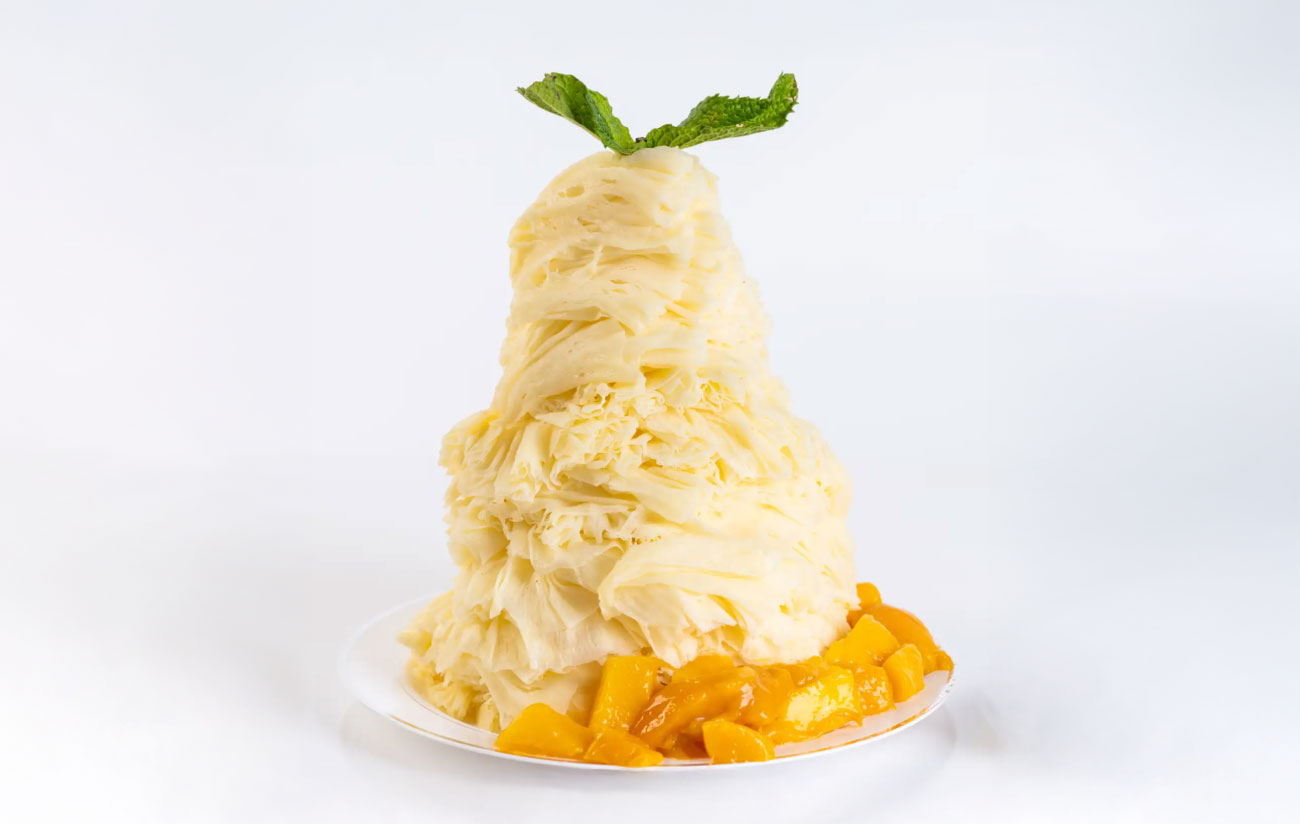
Shaved ice is attractive precisely because its core ingredients - ice, milk, fruit, and toppings - are inexpensive relative to the menu price, which leaves healthy room between cost and ticket. But the format you choose changes the ceiling. A basic snow-cone cart competes on volume and low prices; a premium Korean bingsu cafe sells a larger, shareable, photogenic bowl that can command a premium ticket rather than a pocket-change price.
That difference matters for the bottom line. Two levers drive shaved ice profitability:
- Ticket size - premium bingsu bowls built for two to four people raise the average order well above a single-serve snow cone.
- Cost control - keeping food and labor ratios disciplined is what turns a good gross margin into real profit.
Profitability is never automatic. Location, foot traffic, labor, and how tightly you run the operation all decide whether strong unit margins translate into a strong business. The advantage of a focused dessert concept is that it is simpler to run - and easier to keep consistent - than a full-service restaurant.
What Are the Steps to Start a Shaved Ice Business?
Launching a shaved ice business follows a clear sequence. Each step reduces risk before the next dollar goes in:
- Choose a concept and format - decide between cart, truck, or cafe, and what product you will sell (basic shaved ice vs premium Korean bingsu).
- Write a simple business plan - market, location, costs, pricing, and break-even.
- Handle licensing and permits - business license, food-handling and health permits, and local zoning.
- Secure a location - high-traffic, high-visibility, and demographically aligned with dessert spending.
- Buy or finance equipment - ice shaver, freezers, prep and POS systems.
- Set up suppliers - reliable sourcing for ice, dairy, fruit, and toppings.
- Hire and train staff - product prep, service, and food safety.
- Launch with local marketing - a grand opening plus social-first promotion.
A franchise compresses several of these steps. Rather than inventing recipes, sourcing every ingredient, and testing a concept from scratch, you adopt a proven product and system - which is the work that takes the most time and carries the most risk for an independent operator.
Why Is Korean Bingsu a Standout Shaved Ice Concept?
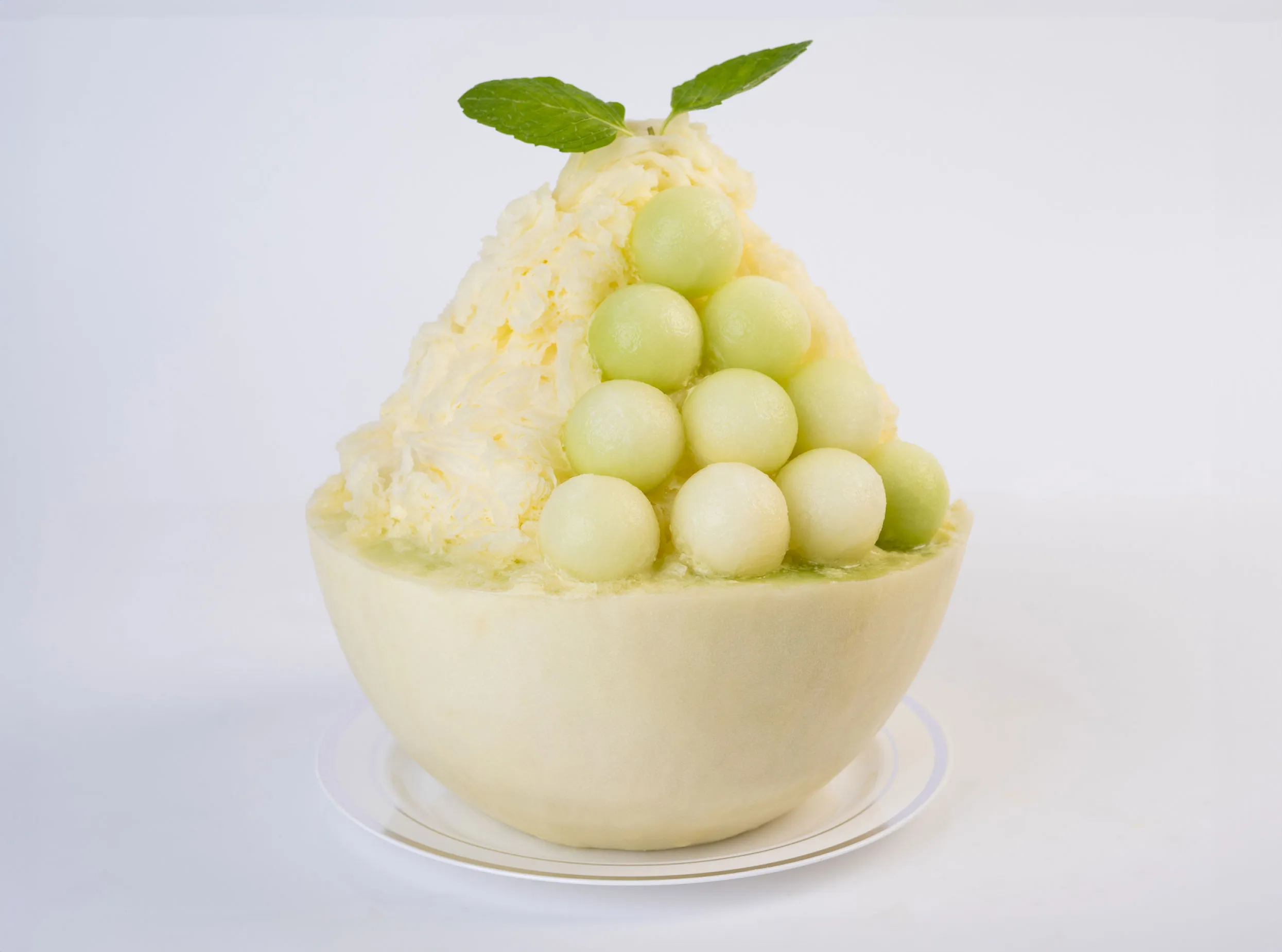
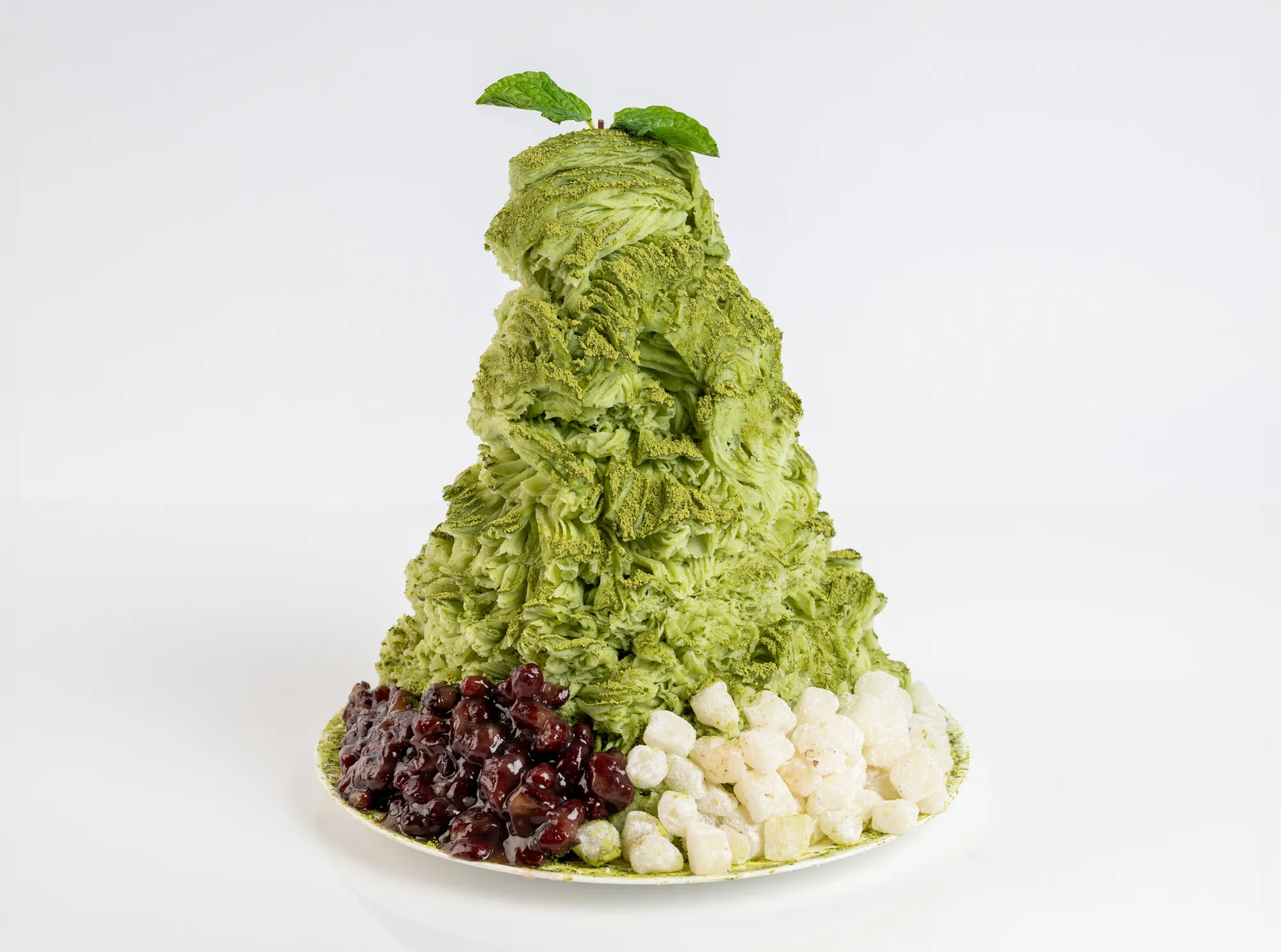
Korean bingsu is finely shaved, snow-soft, milk-based ice layered with fresh fruit, mochi, red bean, and matcha - a step up from crushed-ice-and-syrup snow cones. (New to it? See what bingsu is.) As the basis for a business, it has three advantages over generic shaved ice:
- Premium positioning - a larger, layered, shareable bowl supports a higher price point and a real brand.
- Photogenic and social-first - bowls built for groups spread organically on social media, reducing paid-marketing dependence.
- Growing category - the bingsu category has expanded alongside the broader rise of Korean food culture.
To see the full product lineup a bingsu operator serves, browse the Oakobing menu.
.png)
How Does a Franchise Lower the Risk of Starting a Shaved Ice Business?
A franchise turns most of the unknowns of an independent launch into a defined system. With Oakobing, three things in particular cut the risk for a first-time operator:
- A proven product and brand - you are not testing whether customers want the concept; you are opening a concept that already ranks and draws traffic.
- Supply-chain support - Oakobing delivers flavored shaved-ice blocks to each store, which protects quality and simplifies in-store prep.
- Training and ongoing support - initial training covers product, operations, and systems, with continued operational guidance after opening.
That supply model is central: rather than asking every operator to recreate the product from scratch, the system ships the core ingredient ready to shave, assemble, and serve, so quality stays consistent across locations. The trade-off is the franchise fee and ongoing royalty - but for many investors, paying for a proven system beats absorbing the full risk of an untested independent concept.
What Should You Evaluate Before You Start?
Before committing capital, work through a short diligence checklist. If you go independent, validate the location, model your costs and break-even, and confirm your permits and suppliers. If you pursue a franchise, review the FDD in full (fee, royalty, marketing, term, and the estimated investment range), model unit economics like average ticket and food-and-labor ratios, review the territory provisions in the FDD (Item 12), and clarify exactly what training and support are included.
Honest fit matters as much as the numbers. The most successful operators care about hospitality and product quality, not only the return - and they treat the upfront homework as the real work. It also helps to be realistic about the day-to-day: a shaved ice business rewards consistency, cleanliness, and fast, friendly service during peak afternoon and evening rushes, so think about whether you want to run the floor yourself or hire and manage a small team. For a deeper look at the category and where it is timed well, see our guide to opening a Korean dessert franchise in California.
Finally, weigh timing and location together. A growing category is only an advantage if you reach it in a strong market before it saturates - which is why a warm, high-density, high-income area like Southern California favors an early-moving operator. Matching the right concept to the right territory, with diligence done up front, is what separates a durable shaved ice business from a seasonal experiment.
Starting a shaved ice business is one of the more accessible ways into food service: low ingredient cost, simple operations, and strong margins. The biggest decision is not whether to enter, but how - a do-it-yourself cart with full risk, or a proven, supply-chain-backed Korean bingsu franchise. For investors who want the upside of a growing category with less guesswork, Oakobing offers a differentiated path. To begin, review the Oakobing franchise page and request the FDD for your target market.
Frequently Asked Questions
How much does it cost to start a shaved ice business?
Costs vary widely by format. A cart or kiosk can start in the low tens of thousands, while a full brick-and-mortar cafe runs higher once you add buildout, equipment, and working capital. A franchise model like Oakobing defines an estimated total investment range that includes the initial franchise fee as well as buildout, equipment, and opening costs - the exact figures are detailed in the FDD.
Is a shaved ice business profitable?
Shaved ice has attractive margins because the core ingredients are inexpensive relative to the menu price. Premium Korean bingsu can command a higher ticket than basic snow-cone shaved ice, which improves per-bowl economics. Profitability still depends on location, traffic, labor, and how well you control food and labor costs.
What are the steps to start a shaved ice business?
The general sequence is: choose a concept and format, write a simple business plan, handle licensing and permits, secure a location, buy or finance equipment, set up suppliers, hire and train staff, and launch with local marketing. A franchise compresses several of these steps by providing a proven concept, supply chain, and training.
Do I need experience to start a shaved ice business?
No formal restaurant experience is required, though it helps. Shaved ice is operationally simpler than a full-service kitchen. A franchise like Oakobing provides initial training on product, operations, and systems, and delivers flavored shaved-ice blocks to each store, which lowers the learning curve for first-time operators.
Is shaved ice a seasonal business?
Traditional shaved ice can be seasonal in colder climates, but a year-round, indoor Korean bingsu cafe in a warm market like Southern California sells through every season. Offering richer dessert-style bowls in cooler months also smooths out demand compared with a summer-only cart.
You might also like...
Stories about Korean desserts, bingsu culture, and more.