Dessert Franchise to Own in 2026: Why Bingsu Stands Out
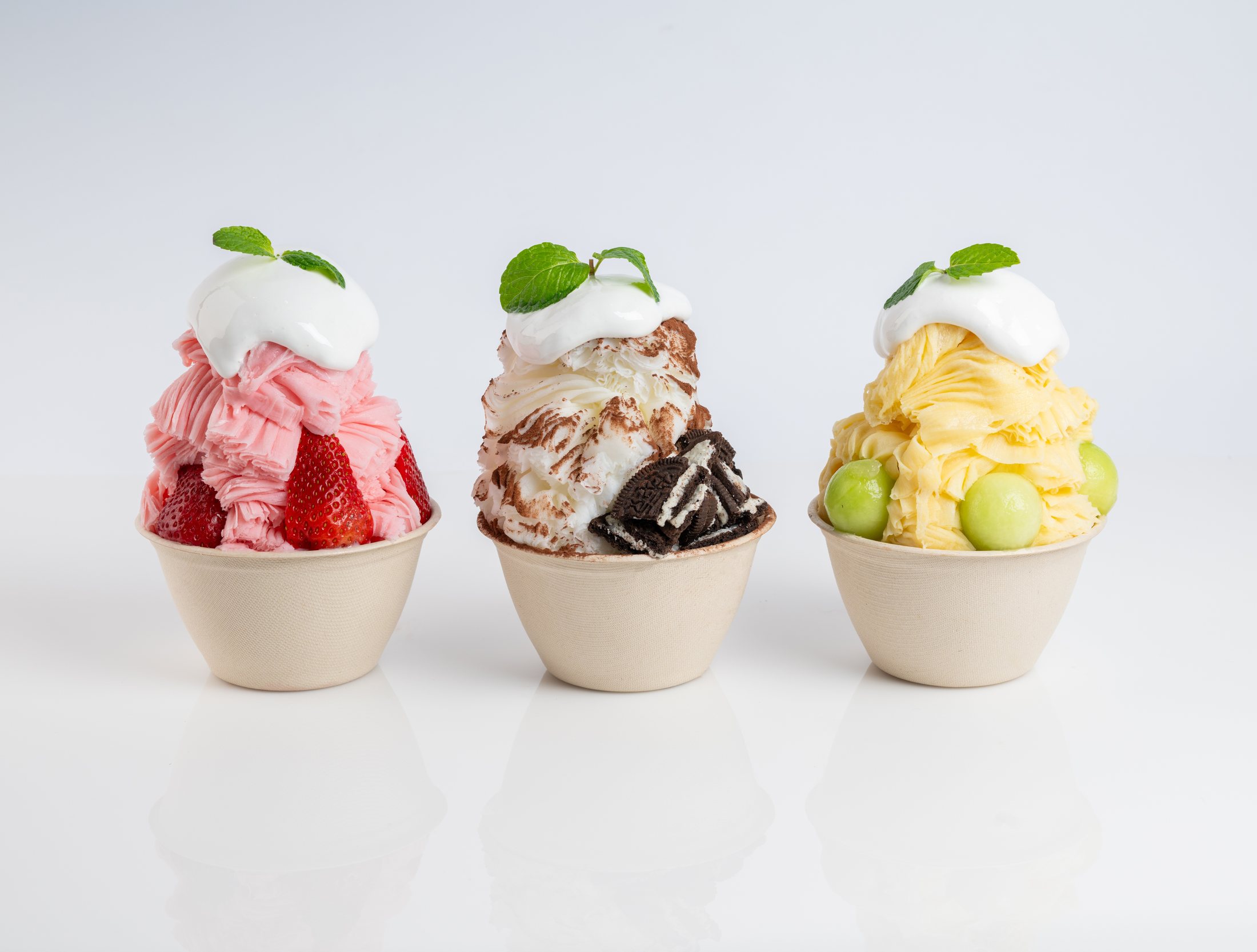
The best dessert franchise to own in 2026 is one in a growing category with a product that stands out - and a Korean bingsu franchise like Oakobing checks all three boxes. While ice cream, frozen yogurt, and boba markets are crowded with national brands, Korean shaved ice is still an emerging category with a premium, shareable, photogenic bowl designed to stand out. If you are researching the best dessert franchise to own, here is the framework that separates a standout opportunity from a crowded one. To go straight to the specifics, start on the Oakobing franchise page.
What Makes the Best Dessert Franchise to Own?
The best dessert franchise to own is defined by three factors, not by brand size alone. A big, familiar name feels safe, but some of the most compelling opportunities come from concepts that are still opening up. Look for these traits:
- A growing category - demand is expanding, not flat or declining.
- Low market saturation - few direct competitors already on every corner.
- A differentiated product - something photogenic and shareable that customers cannot get everywhere.
Measured against that checklist, a differentiated concept in an emerging category beats a me-too store in a saturated one. That is exactly where a Korean bingsu franchise sits in 2026.
.png)
Why Is Bingsu the Best Dessert Franchise Category in 2026?
Bingsu leads because it combines fast category growth with a product that stands apart. Korean shaved ice has moved from a niche import to a mainstream craving, riding the same K-culture wave that lifted Korean food, beauty, and music, and Asian American dessert demand keeps climbing. Yet unlike ice cream or boba, Korean shaved ice is still being introduced neighborhood by neighborhood across most of Southern California. A well-placed bingsu store can become the destination for its area rather than the fourth similar shop on the block. That mix of rising demand and early-stage timing is rare, and it is the core reason bingsu stands out among dessert franchise options. Timing reinforces the case: entering a category while it is still expanding lets an operator build local authority and a loyal customer base before national brands crowd in, an advantage that is almost impossible to recreate once a category matures. Investors who bought into ice cream or boba decades ago captured that early growth; bingsu is a category that's still being introduced neighborhood by neighborhood today.
How Much Does the Best Dessert Franchise Cost to Own?
A strong dessert franchise should be an accessible six-figure investment, and bingsu fits that band. An Oakobing single unit carries an estimated $200,000 to $500,000 total investment, which includes the $35,000 initial franchise fee. For investors who want to scale, a multi-unit development covering three to five shops adds a development area fee of $30,000 to $60,000, for a total estimate of $230,000 to $560,000. Per Item 7, Note 3 of the 2026 FDD, this multi-unit estimate covers the development area fee plus the initial investment for the first shop only. Each additional shop requires its own initial investment, though no additional $35,000 franchise fee applies - the development area fee ($15,000 for each shop beyond the first) is already included in that total. This is only an estimate and actual costs may vary. Because bingsu is a light-kitchen cafe format without a full hot line, the buildout is leaner than a full-service restaurant, which keeps entry within reach for a motivated first-time operator. For the complete breakdown, see the Korean dessert franchise cost guide. Exact figures for any brand live in its FDD Item 7, reviewed with an accountant.
.png)
Is a Bingsu Dessert Franchise Profitable?
Dessert franchises generally enjoy strong gross margins, and bingsu is no exception, though profitability always depends on execution. Frozen desserts carry a low food cost relative to retail price, so the gross margin is healthy. What sets bingsu apart is the ticket size:
- Higher average check - bowls are larger, premium, and built for two to four people to share.
- Occasion-driven visits - a shared dessert experience drives groups, dwell time, and social posts.
- Repeat traffic - a rotating flavor lineup gives regulars a reason to return.
Net margin still comes down to rent, labor, and volume, and no franchisor can promise a profit. A shareable bowl priced for two to four people simply moves more revenue per transaction than a single scoop or cup, which is why average ticket is one of the most important numbers a dessert investor should model before committing. Store-level financial performance for any brand is governed by its FDD Item 19, which is the honest place to study numbers rather than any marketing claim.
What Support and Training Come With an Oakobing Franchise?
The best dessert franchise to own is one that hands you a system, not just a brand name, and this is where operating experience built since the brand's first Los Angeles store opened in 2016 pays off. Oakobing provides initial training in the signature shaved-ice technique, menu execution, and store operations, plus guidance on site selection, buildout, and supplier relationships, so a first-time owner is not improvising. Support continues after opening through marketing playbooks and operational check-ins, which is especially valuable in an emerging category that still needs local introduction. That backing is a real advantage over opening an independent dessert shop, where you would build every process from scratch and carry all the risk of an untested concept. The full scope of training and support is spelled out in FDD Item 11 (owner participation requirements are in Item 15), which any serious candidate should study alongside the investment tables.
What Are the Risks of Owning a Dessert Franchise?
Every franchise carries risk, and the best dessert franchise to own is the one whose risks you understand going in. The main variables are site selection, capitalization, and operator commitment - a great concept in a poor location or without enough working capital can still struggle. Seasonality is another factor for frozen desserts, though a bingsu cafe smooths it with warm-flavor bowls and an indoor, air-conditioned format that draws guests year-round. Emerging categories also require more customer education than a household name, which is a trade-off for the lower competition. The way to manage these risks is diligence: read the FDD in full, speak with the franchisor's team - and, as the system grows, existing franchisees - and confirm your market and financing before signing.
Why Oakobing Among Bingsu Franchises?
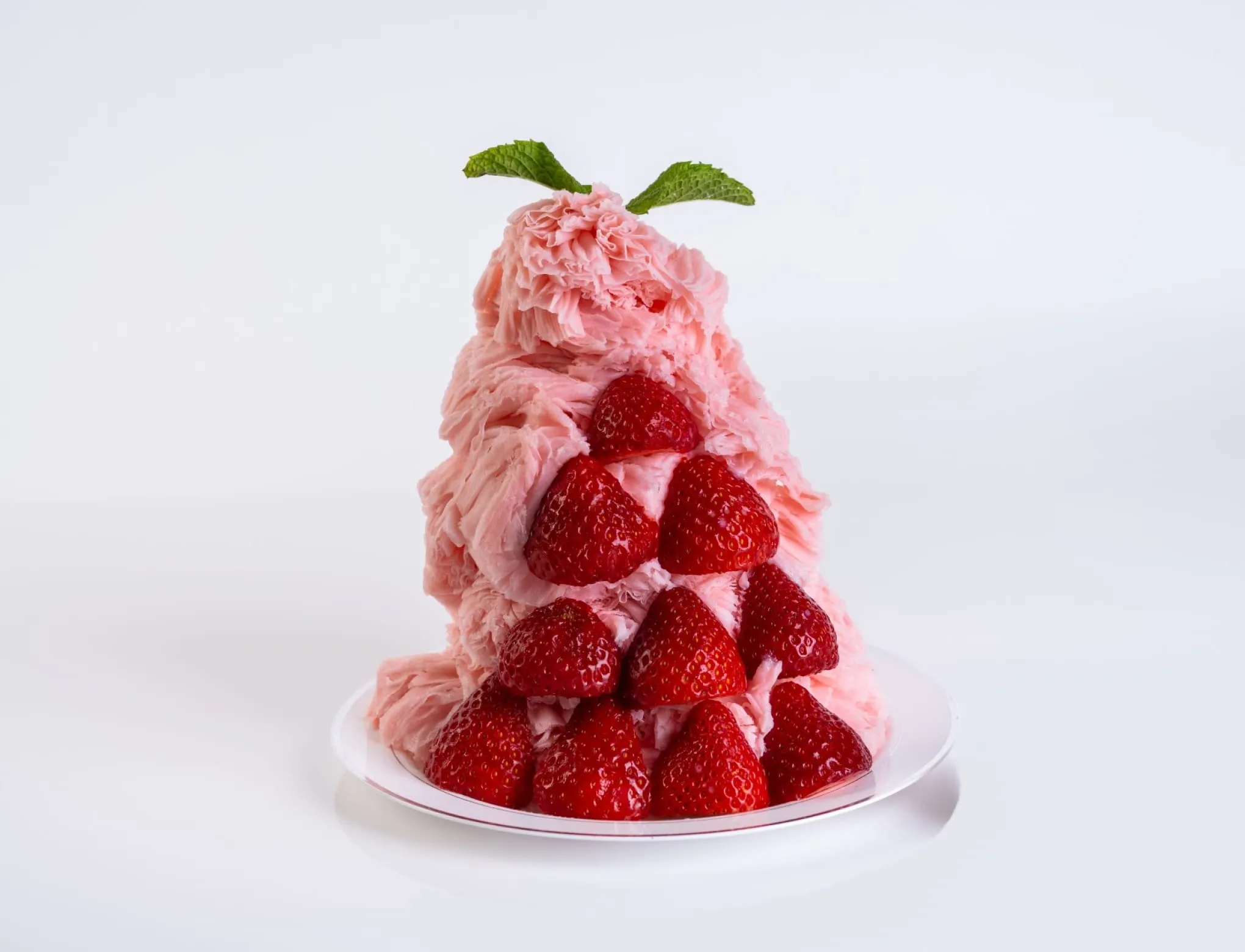
Oakobing pairs a proven product with real operating history, which matters when you are choosing who to partner with. The brand has operated company-owned stores since 2016 - in Koreatown Los Angeles and Pasadena - so the model is tested in the market rather than theoretical. Los Angeles County and Orange County together are home to more than 341,000 Korean Americans (U.S. Census Bureau, American Community Survey 2020-2024 5-Year Estimates), which gives the concept a strong cultural anchor and built-in demand in its home market. Franchisees get a differentiated concept, an established menu, and training built on years of real store operations. To weigh it against other concepts, read bingsu vs boba franchise and the bingsu franchise requirements, then decide whether the operator profile fits you.
How Do You Start Owning an Oakobing Franchise?
The first step is information, not commitment. Review the franchise page and the requirements guide, then request the Franchise Disclosure Document to study the investment, obligations, and operating model in detail. Qualified candidates move through a discovery process, site selection, and training before opening. Oakobing is currently franchising in California, so confirming that your target market fits inside the state is the practical starting point. This article is a general overview, not financial advice - always review the full FDD and consult your own advisors before making any franchise decision. This is not an offer to sell a franchise; an offer is made only through the FDD.
Frequently Asked Questions
What is the best dessert franchise to own in 2026?
There is no single best dessert franchise for everyone, but the strongest opportunities share three traits: an emerging, growing category, an early stage of market adoption, and a differentiated, photogenic product. A Korean bingsu franchise like Oakobing fits all three - it enters a fast-growing shaved ice category with few national competitors and a shareable signature bowl that stands out. The right choice ultimately depends on your budget, market, and goals, and every brand's specifics are in its FDD.
How much does it cost to own a bingsu dessert franchise?
An Oakobing single unit is an estimated $200,000 to $500,000 total investment, which includes the $35,000 initial franchise fee. Investors opening three to five shops as a multi-unit developer add a development area fee of $30,000 to $60,000, for a total estimate of $230,000 to $560,000. Per Item 7, Note 3, this covers the development area fee plus the initial investment for the first shop only - each additional shop requires its own initial investment, though no additional $35,000 franchise fee applies. This is only an estimate and actual costs may vary; exact figures are in FDD Item 7.
Why choose bingsu over a more established dessert franchise?
Established categories such as ice cream, frozen yogurt, and boba are heavily saturated, which makes it hard for a new store to stand out and easy to compete on price. Bingsu is an emerging Korean shaved ice category with far fewer national brands, so a well-placed store can own its neighborhood. For investors who value differentiation and being early over the safety of a familiar name, that makes bingsu compelling.
Is a dessert franchise profitable?
Dessert franchises generally enjoy strong gross margins because frozen desserts carry a low food cost against retail price. Net profitability depends on rent, labor, ticket size, and volume. A bingsu concept adds a higher average ticket through larger, shareable bowls, which can lift per-visit spend. No franchisor can promise profit, and store-level financial performance is governed by each brand's FDD Item 19.
How do I start owning an Oakobing bingsu franchise?
Begin by reviewing the Oakobing franchise page and the bingsu franchise requirements, then request the Franchise Disclosure Document to study the investment, obligations, and operating model. From there, the franchisor walks qualified candidates through discovery, site selection, and training. Oakobing is currently franchising in California, so the first step is confirming your target market fits.
You might also like...
Stories about Korean desserts, bingsu culture, and more.
.png)