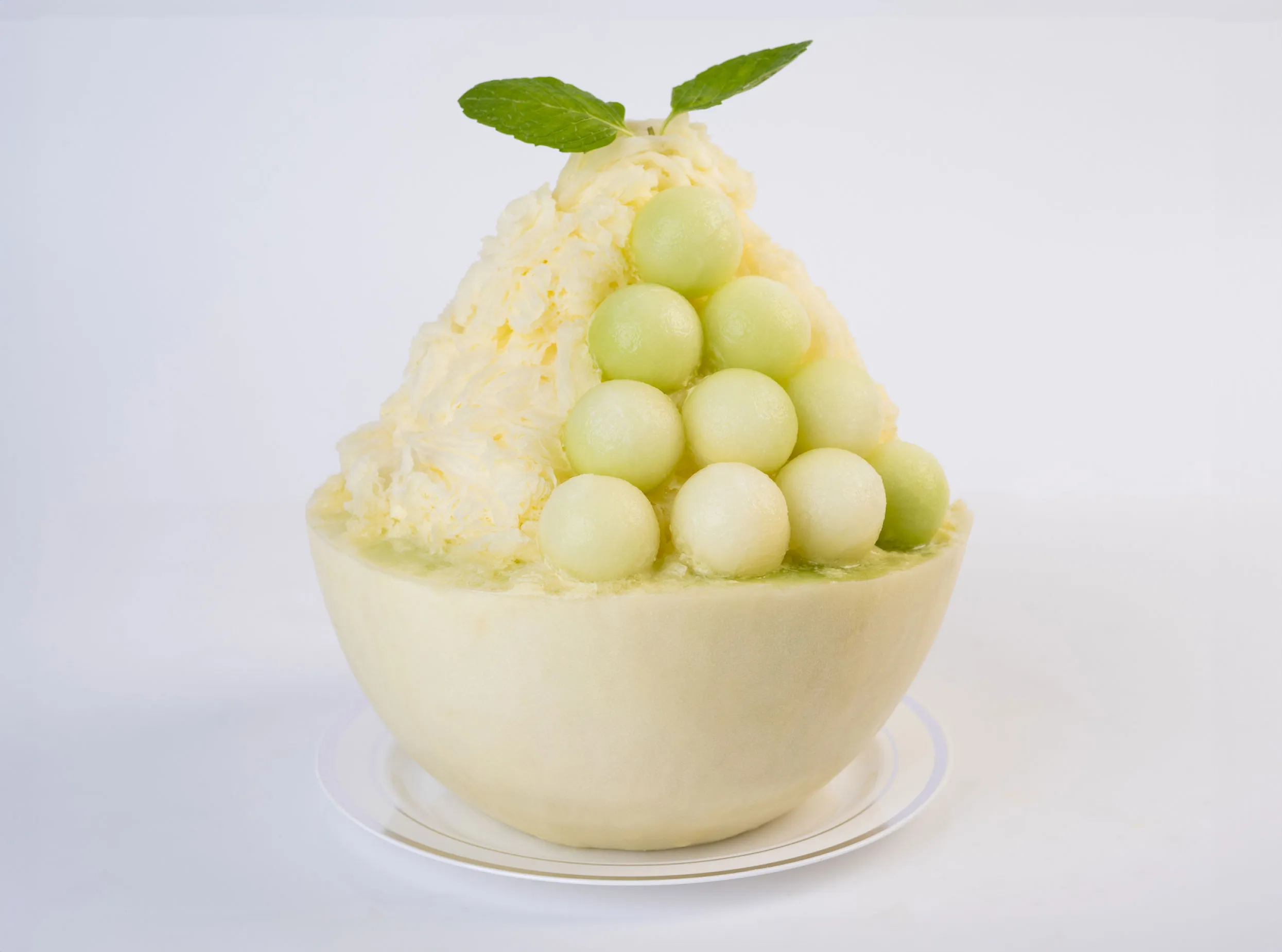
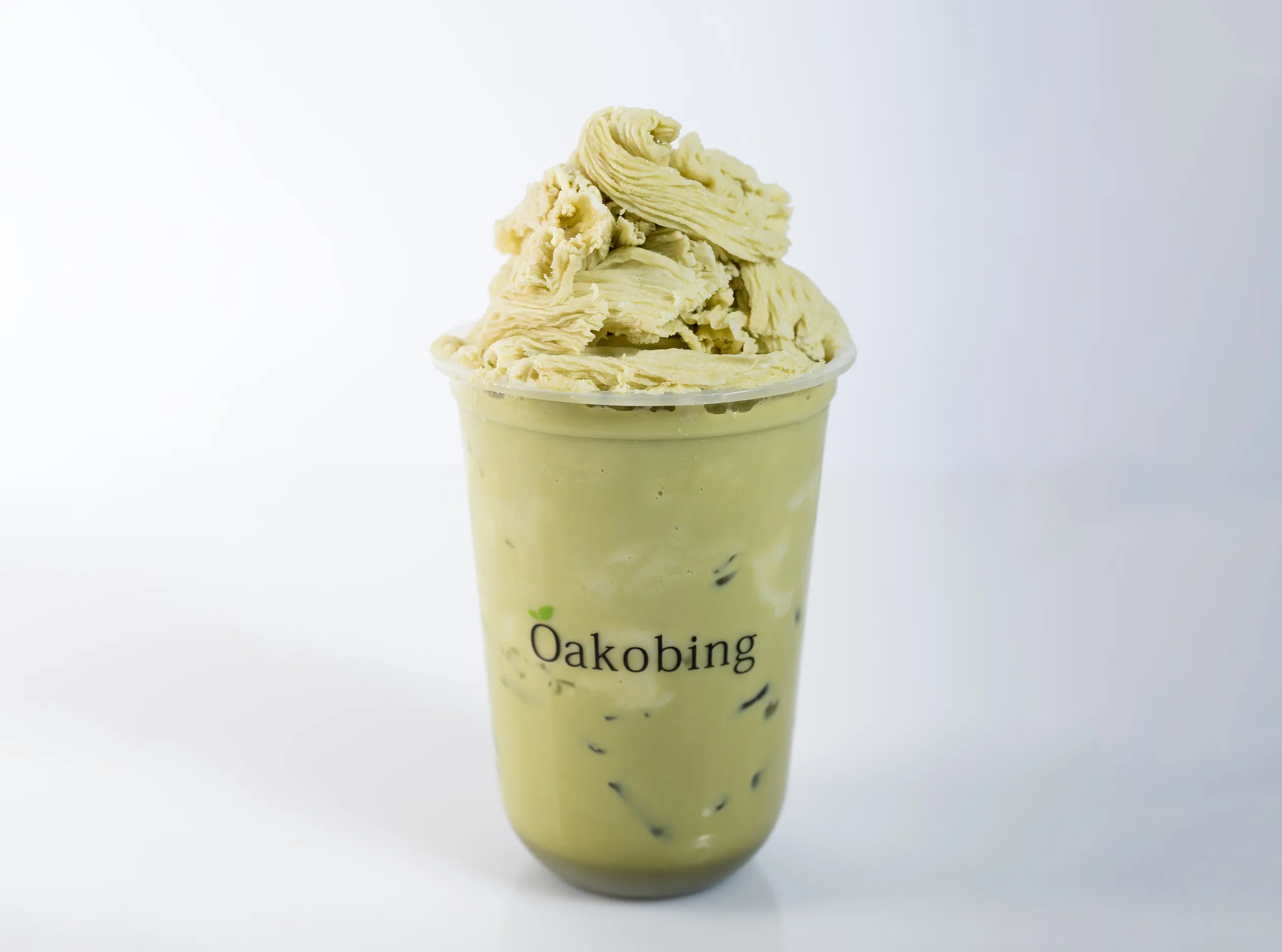
Bingsu Calories & Nutrition: How Many Calories Is Korean Shaved Ice?
Korean shaved ice (bingsu) has roughly 250-500 calories for a single size and 450-900+ for a large shareable bowl in 2026 - but because a large bowl feeds two to three people, the per-person calories are much lower than the total suggests. The exact bingsu calories - bingsoo, if you spell it that way - depend on size, the milk base, and toppings. Below is a clear breakdown with real numbers, what drives the count, and how bingsu compares to other desserts. Browse flavors on the Oakobing menu.
How Many Calories Are in Bingsu?
A single-size Korean bingsu is about 250-500 calories, and a large shareable bowl runs 450-900+ calories total. Here are real Oakobing figures alongside typical ranges:
| Bingsu | Single (approx.) | Large / shareable (approx.) |
|---|---|---|
| Oakobing Mango Melon | 259 kcal | 475 kcal |
| Oakobing Mango | 259 kcal | 465 kcal |
| Typical fresh-fruit bingsu | 250-350 kcal | 450-650 kcal |
| Loaded builds (condensed milk, red bean, mochi, ice cream) | 350-500 kcal | 650-900+ kcal |
Oakobing's mango and mango melon bingsu are shaved super fine with a milk base and fresh fruit, so the calorie count depends heavily on size and toppings.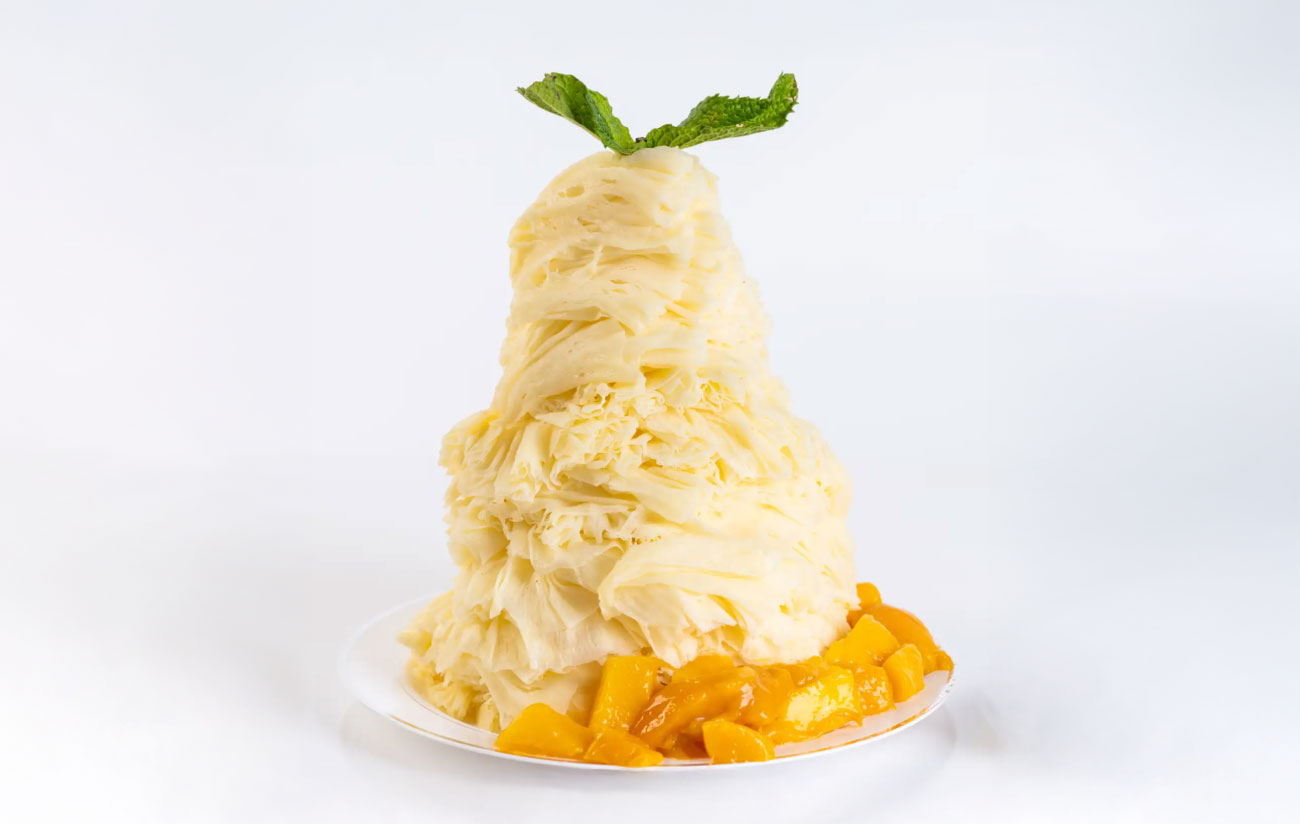
What Drives Bingsu Calories Up or Down?
The calorie count comes down to three things: size, dairy, and toppings. Bingsu starts light because the base is airy shaved milk ice, then rises with add-ons:
- Size - a shareable large has roughly double a single.
- Dairy - condensed milk drizzle and sweetened cream add the most.
- Toppings - red bean, mochi (tteok), cheesecake, and ice cream add calories; fresh fruit adds the least.
Fruit-forward bingsu (mango, strawberry, melon) sits at the lighter end, which is why a shared bowl is lighter per person than it looks.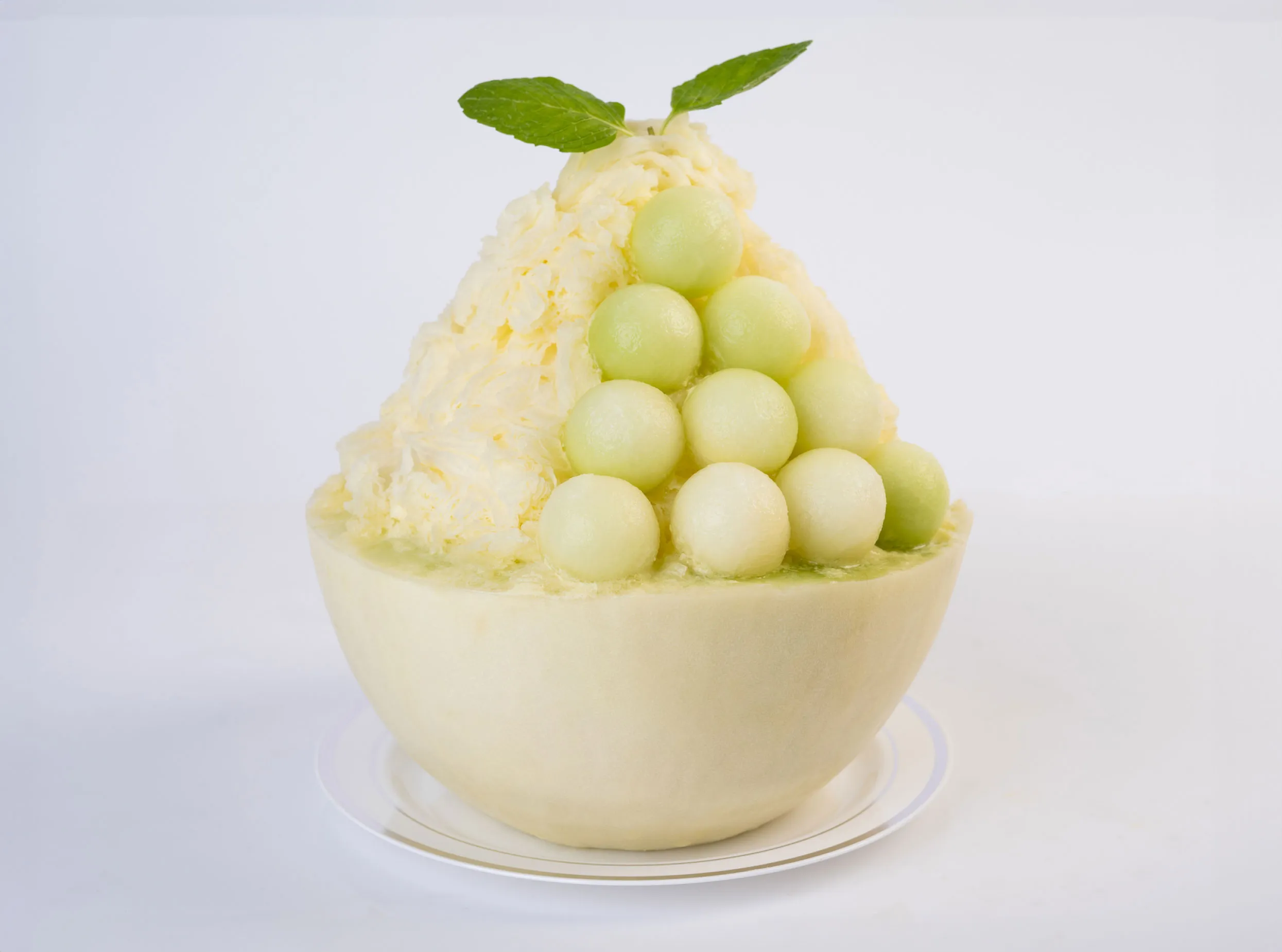
How Do Bingsu Calories Compare to Other Desserts?
Per serving, bingsu is often lighter than dense desserts because it is mostly shaved milk ice and fruit, not churned cream or cake. A single bingsu around 250-300 calories compares favorably with many ice cream sundaes, milkshakes, or slices of cake - and unlike those, bingsu is usually shared. That combination of an airy base plus a shareable format is what makes it a relatively light way to enjoy a sweet treat. For the full flavor lineup, see the Oakobing menu, or learn how bingsu differs from other shaved ice in bingsu vs snow ice vs kakigori.
How to Enjoy Bingsu on the Lighter Side
If you are watching calories, a few simple choices keep bingsu reasonable:
- Share a large - splitting a bowl is the single biggest calorie saver per person.
- Choose fruit-forward - mango, strawberry, or melon over the most loaded builds.
- Go easy on add-ons - request less condensed milk drizzle if you prefer.
- Order a single - if you are solo, a single size keeps it in the 250-500 range.
Bingsu is a treat, and enjoyed this way it fits comfortably into a normal week. Find your flavor at an Oakobing location in Koreatown LA or Old Pasadena.
Bingsu Nutrition Beyond Calories
Calories are only part of the picture. What sets bingsu apart from many desserts is what those calories are made of. A fresh-fruit bingsu delivers real fruit - mango, strawberry, or melon - which brings water, fiber, and vitamins along with the sweetness, unlike a dessert built purely from sugar and cream. The milk base also contributes some protein and calcium. The main thing to watch is added sugar, which comes mostly from condensed milk and syrups rather than the ice or fruit itself, so a lighter drizzle meaningfully changes the profile.
The sharing math matters too. Because a large bingsu is designed for a group, the "per bowl" number rarely reflects what one person eats. A 475-calorie large split three ways is roughly 160 calories each - lighter than a single scoop-and-cone at many ice cream shops. That is why bingsu works well as a shared, social dessert: everyone gets a generous, refreshing portion without a heavy per-person calorie load. For most people, an occasional shared fruit bingsu is a sensible way to enjoy a sweet, cold treat, especially in summer when a light, icy dessert beats a dense one.
A dessert that is light enough to order after a full meal and big enough to share is a commercially useful combination, not just a nutritional one. Oakobing is currently franchising in Southern California, and the franchise page covers the model in detail.
Frequently Asked Questions
How many calories are in bingsu? A single is about 250-500 calories; a large shareable bowl 450-900+ total, but split across 2-3 people. Oakobing's mango melon is ~259 (single) / 475 (large).
How does bingsu compare to ice cream? Often lighter per serving - the base is airy shaved milk ice and fresh fruit rather than dense cream, and bingsu is usually shared.
What makes bingsu calories go up? Size, condensed milk/cream, and toppings like red bean, mochi, cheesecake, or ice cream. Fresh fruit adds the least.
Is bingsu healthy? It is a treat, but a lighter one - airy base, fresh fruit, and a shareable format spread the calories out.
How many calories is Oakobing mango bingsu? About 259 (single) and 465 (large); mango melon is ~259 / 475.
Frequently Asked Questions
How many calories are in bingsu?
A single-size Korean bingsu is roughly 250-500 calories, depending on the milk base, fruit, and toppings. A large, shareable bowl can run 450-900+ calories total, but because it is meant for two to three people, the per-person calories are much lower. For example, Oakobing's mango melon bingsu is about 259 calories for a single and 475 for a large.
How many calories in Korean shaved ice compared to ice cream?
Korean shaved ice (bingsu) is often lighter per serving than an equivalent scoop-for-scoop ice cream dessert, because the base is shaved milk ice with air, plus fresh fruit, rather than dense churned cream. A single bingsu around 250-300 calories is comparable to or lighter than many ice cream sundaes, and it is usually shared.
What makes bingsu calories go up or down?
The biggest drivers are size (single vs shareable), the milk/condensed-milk amount, and the toppings. Fresh-fruit bingsu (mango, strawberry, melon) is on the lighter end, while builds with condensed milk drizzle, red bean, mochi, ice cream, or cheesecake add calories. Sharing a bowl is the easiest way to lower per-person calories.
Is bingsu a healthy dessert?
Bingsu is a treat, not a health food, but it can be a lighter dessert choice: the shaved-milk-ice base is airy, fresh-fruit versions add real fruit, and the shareable format spreads the calories across a group. Choosing a fruit-forward flavor and sharing keeps a serving in a reasonable range.
How many calories is a mango bingsu at Oakobing?
Oakobing's mango bingsu is about 259 calories for a single size and 465 for a large, and the mango melon is about 259 (single) and 475 (large). These are shareable when ordered large, so the per-person calories are lower when split.
You might also like...
Stories about Korean desserts, bingsu culture, and more.