Dessert Cafe Franchise: Is a Bingsu Cafe the Right Concept? (2026)
A dessert cafe franchise is a franchised dessert concept where guests sit down, share, and linger rather than order at a window and leave - and in 2026 the Korean bingsu cafe is the least crowded version of that format in Southern California. With Oakobing, the estimated total initial investment for a single unit is $200,000 to $500,000, including a $35,000 initial franchise fee. This is only an estimate. Actual costs may vary. The concept you choose matters more than the logo on the door, because a cafe and a grab-and-go counter are two genuinely different businesses to own even at a similar entry cost. Here is what defines the cafe format, where bingsu fits inside it, what entry looks like, and who the model suits. Start with the Oakobing franchise page for the current opportunity.
What Is a Dessert Cafe Franchise?
A dessert cafe franchise is a franchised store where dessert is the reason to stay, not just the thing you carry out. The distinction is not branding. It changes the real estate you look for, the way the store is built, and how a shift actually runs. Five features define the format:
- Seating and dwell time. Guests sit, so the interior is part of the product rather than a waiting area.
- A shareable centerpiece dessert. The hero item is built for a group, which is why visits skew toward pairs and families rather than solo grab-and-go.
- A drinks program alongside the dessert. Coffee, tea, and seasonal beverages round out the order and give the store a reason to be open on slower days.
- Atmosphere that photographs. Dessert cafes earn organic social attention from guests, which does work that paid advertising otherwise has to do.
- Evening and weekend weighting. A dessert cafe fills up after dinner and on weekends, unlike a lunch-driven food concept.
That profile is why dessert cafes are usually compared with each other rather than with dessert counters or bakeries. For the Korean side of the category specifically, read the Korean cafe franchise overview.
Is a Bingsu Cafe the Right Dessert Cafe Concept for 2026?
For an owner who wants the cafe format without competing against logos customers have known for decades, a bingsu cafe is the most open version of it right now. Korean shaved ice is still being introduced neighborhood by neighborhood in Southern California, while coffee-led and frozen yogurt formats are long established, and entering a category while it is still expanding is the one advantage you cannot buy back later.
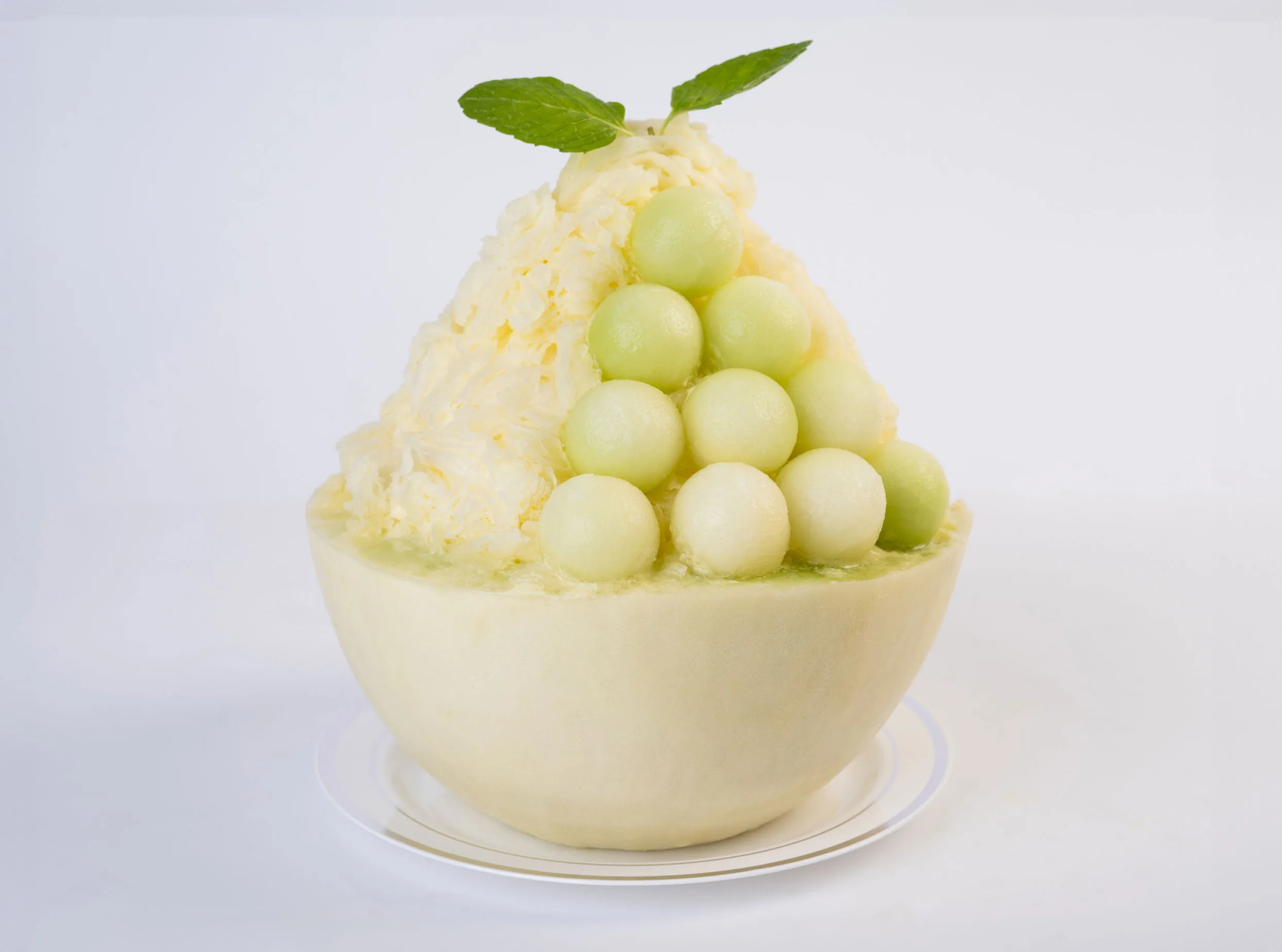
Oakobing is a modern adaptation of Korean shaved ice for the American market rather than an attempt to recreate a Seoul dessert exactly, and four specifics separate it from a generic shaved ice counter:
- Flavor is infused into the ice itself. The ice blocks are produced in Oakobing's own facility with flavor built into the block, not a plain block with syrup poured over the top.
- Milk drizzle is served on the side. Guests control texture and sweetness themselves instead of receiving a pre-sweetened bowl.
- Portions are built for sharing. A Large is a two-to-four-person bowl, which is exactly how groups order in a cafe setting.
- The positioning is light, fresh, and guilt-free. It reads as a lighter dessert, which is what brings guests back more than once in a season.
The brand name carries the same idea - shaved ice inside a jade jar. You can see how the Oakobing menu is built around that hero item.
How Is a Dessert Cafe Different From a Grab-and-Go Dessert Franchise?
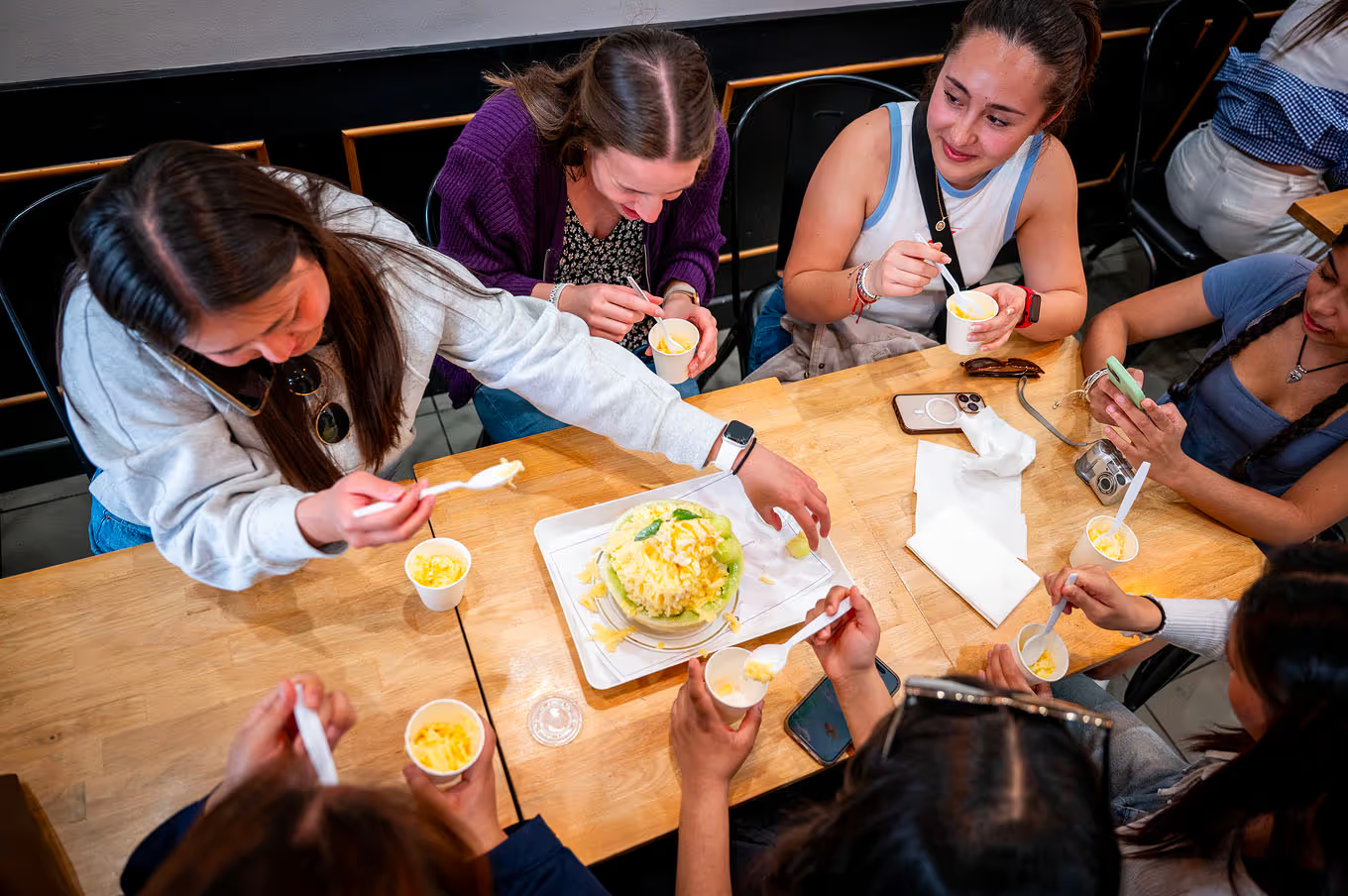
The core difference is dwell time, and almost every operating decision follows from it. A grab-and-go counter is optimized for speed and throughput; a dessert cafe is optimized for the visit. Neither is better as a business, but they ask different things of an owner:
- Guest occasion. A cafe hosts a shared dessert outing. A counter serves a quick individual purchase on the way somewhere else.
- Buildout. A cafe pays for seating, lighting, and interior finish. A counter puts its money into the service line and moves people along.
- Staffing rhythm. A cafe handles fewer, larger, more customized orders. A counter handles a steady stream of simple ones.
- Real estate criteria. A cafe wants a destination corridor with evening traffic and parking. A counter wants foot traffic and visibility above all.
- Repeat driver. A cafe is remembered as an experience and a place to bring people. A counter competes largely on convenience.
Being honest about the trade-off matters: the cafe format asks for more attention to atmosphere and hospitality than a service window does.

Oakobing's format keeps that cafe experience without a full-service kitchen behind it. The line is assembled and finished rather than cooked, so there is no commercial hot line or heavy ventilation to build, which is what keeps a premium dessert cafe inside a six-figure entry band. For a direct comparison with the most common alternative format, read the bingsu franchise vs ice cream franchise breakdown.
What Does a Dessert Cafe Franchise Cost With Oakobing?
The estimated total initial investment for a single Oakobing unit is $200,000 to $500,000, including a $35,000 initial franchise fee. This is only an estimate. Actual costs may vary. The range covers the license and system, leasehold improvements and buildout, the shaved-ice and refrigeration equipment, opening inventory, signage, and working capital to carry the cafe through its opening weeks.
Buildout is the largest swing factor inside that band, and in a cafe concept it is where the seating and interior land. A second-generation space with usable plumbing and infrastructure sits closer to the lower end, a raw shell pushes toward the top, and local construction rates move the number as much as the brand does. Footprint matters as well, since a modest inline unit in a strong retail corridor is usually cheaper to fit out than a large standalone building. Each brand publishes its own itemized estimate in FDD Item 7, and reading it line by line with an accountant is the only responsible way to build a budget. For a wider view of the category, see the Korean dessert franchise cost guide.
Where Does a Dessert Cafe Concept Work Best in Southern California?
It works best where dessert-cafe habits already exist and residential density supports an evening destination. Los Angeles County and Orange County together are home to more than 341,000 Korean Americans (U.S. Census Bureau, American Community Survey 2020-2024 5-Year Estimates) - the largest Korean American population center in the United States, and the wider region carries high Asian American density, so a shaved ice cafe does not have to teach the market what it is for. The long warm season also extends the selling window well beyond a summer peak.
The strongest fits are the Los Angeles metro, Orange County, the San Gabriel Valley, and the San Fernando Valley - each with the retail corridors, parking, and evening traffic a destination dessert cafe depends on. Oakobing opened its first store on West 6th Street in Koreatown in 2016 and has operated since, with company stores in Koreatown Los Angeles and Pasadena that a candidate can walk into before deciding anything.
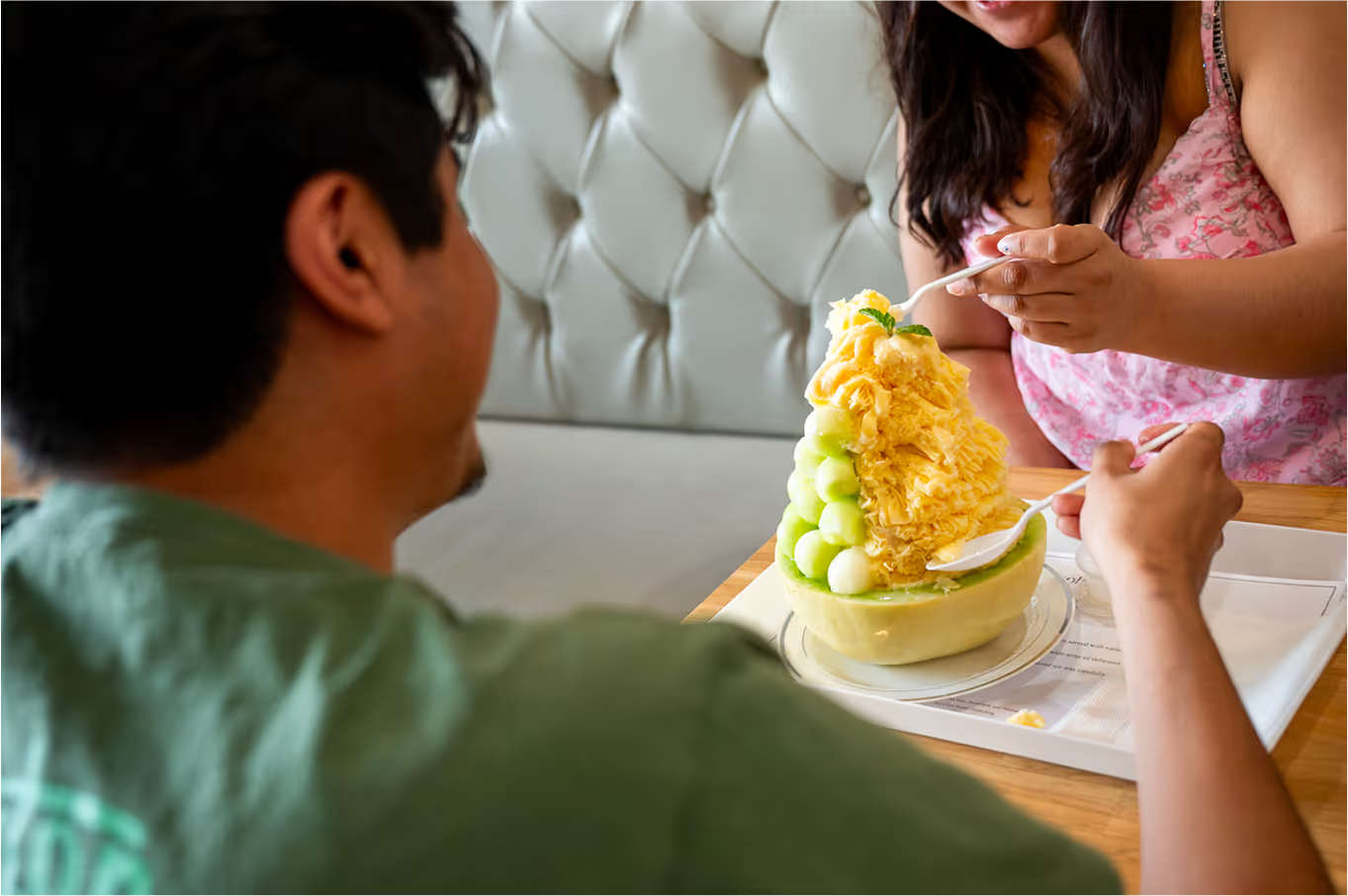
Both are on the locations page, and visiting one is the fastest way to judge whether the cafe format suits how you want to spend your days. For the flagship view of this concept, read the bingsu cafe franchise guide.
Is a Dessert Cafe Franchise Right for You?
This concept suits an owner who likes hospitality and wants an accessible entry into an emerging dessert category. It fits a hands-on first-time owner-operator well, since the light-kitchen format is simpler to run than a full-service restaurant and arrives with training and a defined system. It fits less well an investor looking for a fully passive holding, or one who wants the comfort of a household name already on every corner, because an emerging category still has to be introduced locally and a cafe rewards an owner who is present in it.
Budget honesty matters as much as temperament. If the top of the estimated range would leave no working-capital cushion, a smaller second-generation site is the more responsible choice - and again, this is only an estimate and actual costs may vary. The process starts with information, not a deposit: visit the franchise page, request the Franchise Disclosure Document, read Item 7 with an accountant, price the buildout with a local contractor, and speak with the franchisor's team - and, as the system grows, existing franchisees - about what a day in the cafe actually looks like. To check yourself against the profile first, read the bingsu franchise requirements. This article is a general overview and not financial advice; review the full FDD and consult your own advisors before making any franchise decision. Oakobing is currently franchising in Southern California.
Frequently Asked Questions
Do I need cafe or restaurant experience to own a dessert cafe franchise?
No. Oakobing candidates are assessed on capital, operating commitment, and market fit rather than prior cafe or restaurant background, and training is designed to bring a first-time owner up to speed on the product and the daily routine. The light-kitchen format helps, because the line is assembled and finished rather than cooked on a commercial hot line. What matters most is a willingness to be hands-on in the store while it establishes itself in the neighborhood.
How much does an Oakobing dessert cafe franchise cost?
The estimated total initial investment for a single Oakobing unit is 200,000 to 500,000 dollars, including a 35,000 dollar initial franchise fee. This is only an estimate. Actual costs may vary. The range covers the license and system, leasehold improvements and buildout, equipment, opening inventory, signage, and working capital for the opening weeks. Every franchise brand itemizes its own estimate in FDD Item 7, and reading that document with an accountant is the only responsible basis for a budget.
What kind of retail space does a bingsu dessert cafe need?
A dessert cafe needs enough room for guests to sit and share, so the space question is different from a takeout counter. Oakobing works with candidates on site selection, and the format fits an inline retail unit or an endcap in a busy corridor with parking, visibility, and neighboring traffic that runs into the evening. A second-generation space that already has usable plumbing and infrastructure is generally the more economical starting point than a raw shell.
Does a dessert cafe concept work outside the summer months?
Seasonality is real in frozen desserts, but it depends on the market and on the format. Southern California's long warm season keeps shaved ice relevant far more of the year than a cold-winter region would, and a dessert cafe is a cafe first, so a small program of coffee, tea, and seasonal drinks gives guests a reason to come in on cooler days. Oakobing has operated through every season in Los Angeles since 2016, so the pattern is a known part of the model rather than a surprise.
What support does Oakobing provide a new dessert cafe franchisee?
Support starts before opening with site selection input, buildout guidance, and training on the product and store routine, then continues with operational support once the cafe is running. The signature ice is produced in Oakobing's own facility and supplied to stores, so a franchisee does not have to develop or manufacture the core product. The specific obligations on both sides are set out in the Franchise Disclosure Document, which every candidate should review with their own advisors.
You might also like...
Stories about Korean desserts, bingsu culture, and more.