
New Dessert Franchise Opportunities for 2026: Emerging Concepts
The new dessert franchise opportunities worth attention in 2026 are the emerging categories - Korean bingsu and Asian dessert cafes, modern frozen formats, and dessert-and-beverage hybrids - rather than the mature ice cream and frozen yogurt models that already occupy most corners. Emerging does not mean unproven; it means the category is still being introduced neighborhood by neighborhood, so an early owner gets to be first in a trade area instead of fifth. With Oakobing, the estimated total initial investment for a single unit is $200,000 to $500,000, including a $35,000 initial franchise fee. This is only an estimate. Actual costs may vary. Below is what separates a genuinely new concept from a repackaged one, what early entry trades away, and how to evaluate a young franchisor before you sign. Start with the Oakobing franchise page for the current opportunity.
What Are the New Dessert Franchise Opportunities for 2026?
They cluster into four groups, and each one exists because dessert buyers changed faster than dessert franchising did. Guests now want something lighter, something photographable, and something they can sit down and share. The formats gaining ground in 2026 reflect exactly that:
- Korean shaved ice and bingsu cafes. A shareable, lighter dessert served in a sit-down room, still absent from most Southern California retail corridors.
- Asian dessert cafes more broadly. Concepts built around a signature item that mainstream chains do not carry, drawing on cultural familiarity that already exists in the market.
- Modern frozen formats. Soft-serve, gelato, and shaved-ice concepts that compete on ingredient quality and presentation rather than on a topping bar.
- Dessert-and-beverage hybrids. Cafes that pair a dessert hero with coffee or tea, extending the day rather than depending on one afternoon peak.
What these share is a light-kitchen build. None of them requires a commercial hot line, which is why the buildout question is a cafe question rather than a restaurant question. For a broader category view, read the best Asian dessert franchise comparison.
What Makes a Dessert Concept Actually New Rather Than Repackaged?
A concept is genuinely new when the product itself cannot be bought off the shelf by a competitor next door. That is the test worth applying, because plenty of dessert brands are the same commodity base with a different logo, and a franchisee inherits that sameness. Four specifics are worth confirming before you call a concept differentiated:
- A proprietary core product with real supply behind it. If the franchisor manufactures the hero item, consistency is the system's job, not the owner's.
- A format that is not already on the corner. Being the second bingsu cafe in a trade area is a different proposition from being the first.
- A reason guests stay. Dwell time and sharing turn a dessert stop into a destination, which is what fills a room at 8pm.
- Operational simplicity. Fewer cooked components means a shorter training curve and a smaller equipment package.
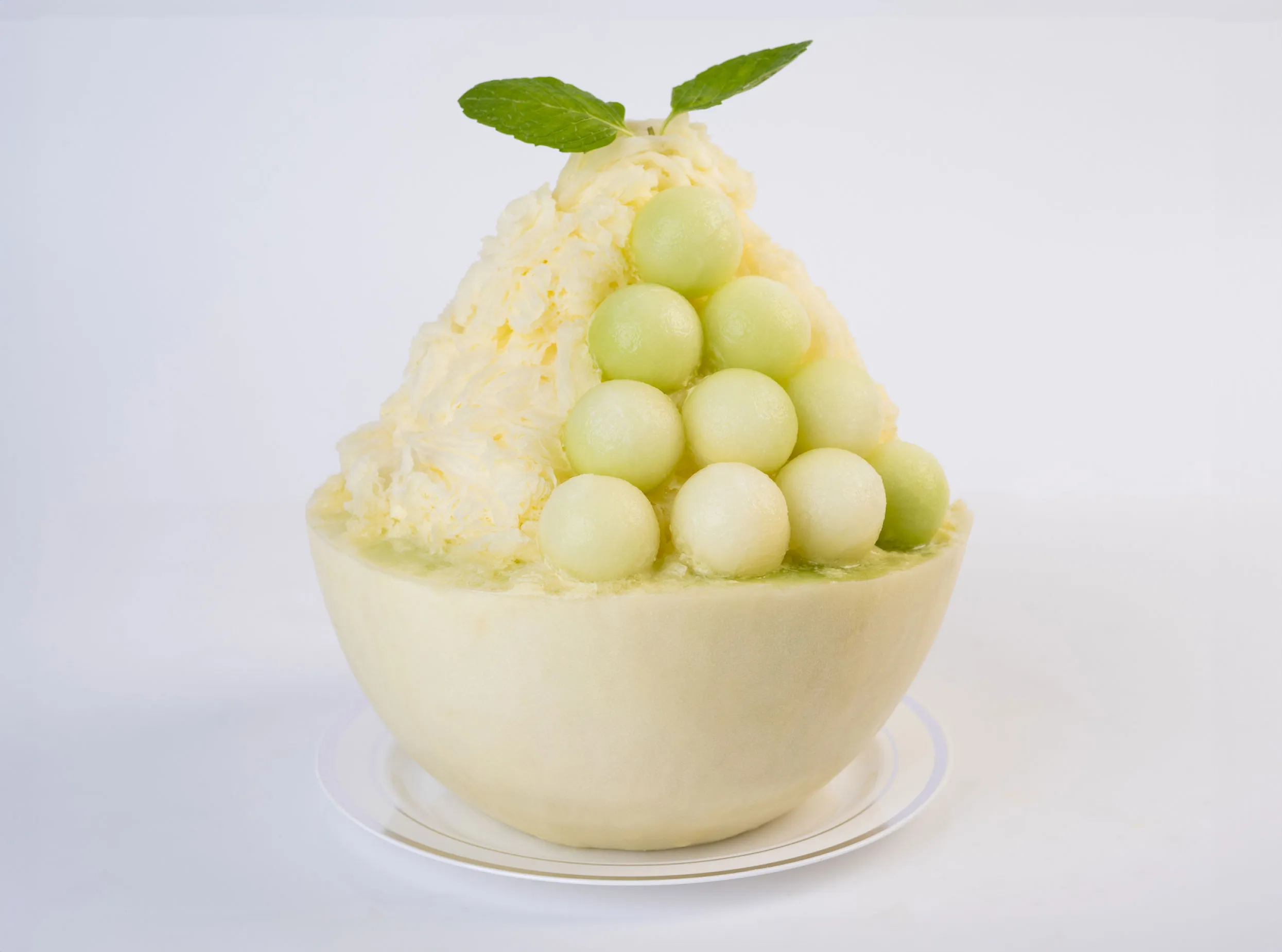
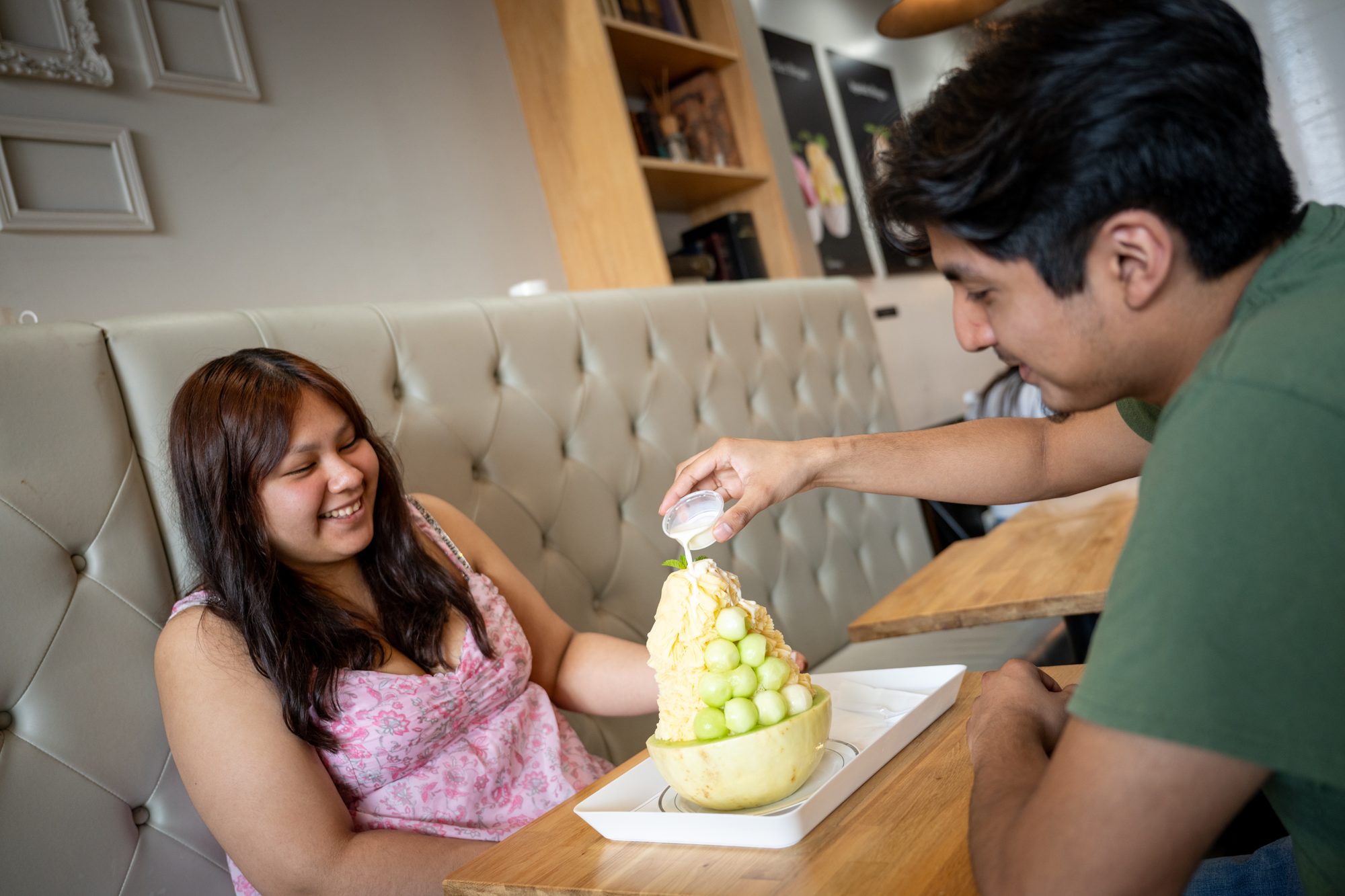
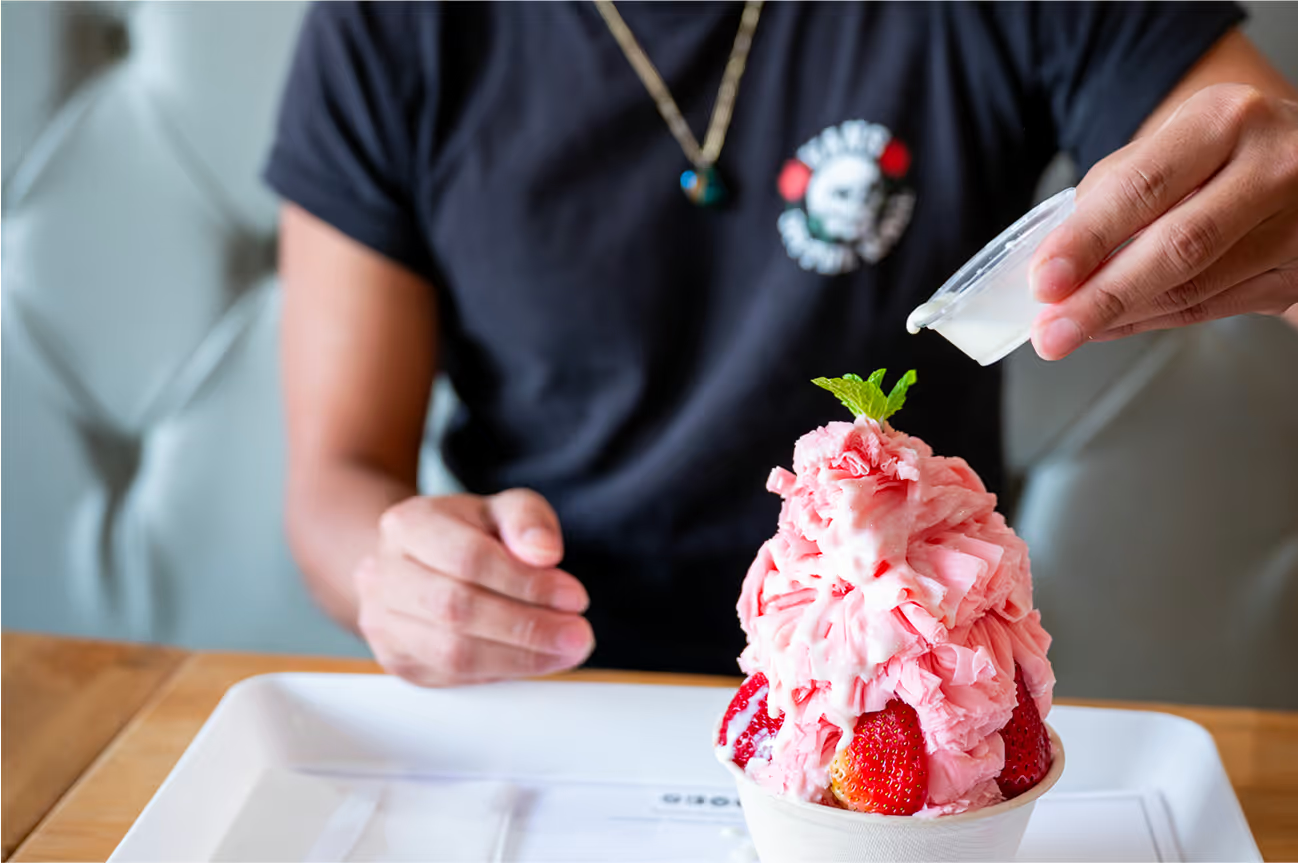
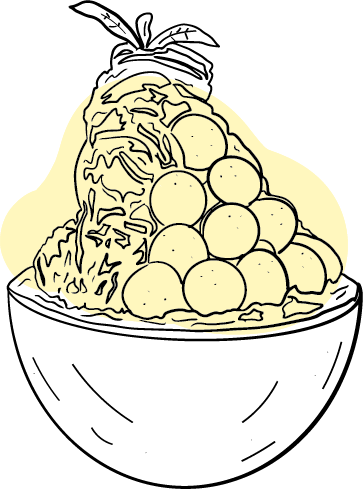
Oakobing is a modern adaptation of Korean shaved ice for the American market rather than an attempt to recreate a Seoul dessert exactly, and it meets that test on four counts. Flavor is infused into the ice block itself, produced in Oakobing's own facility, instead of syrup poured over plain ice. Milk drizzle is served on the side so guests adjust texture and sweetness themselves. A Large bowl is built for two to four people to share. And the positioning stays light, fresh, and guilt-free, which is what brings a guest back a second time in the same season. The brand name carries the same idea - shaved ice inside a jade jar. It is a product a competing cafe cannot simply buy off the shelf.

See how the Oakobing menu is built around that hero item.
Why Consider an Emerging Concept Instead of an Established One?
Because the trade is unbuilt awareness in exchange for an open market, and in 2026 that trade favors the operator willing to do local work. An established name arrives pre-sold, but it also arrives with neighboring units, a crowded category, and a higher entry price in most cases. An emerging concept asks more of the owner and gives more room in return.
What early entry gives you:
- First-mover position in a trade area instead of competing with the same brand three miles away.
- A category still being introduced, so the novelty itself does marketing work that a mature brand has to pay for.
- Closer access to the franchisor. A younger system has fewer owners, and the people who built it are the ones who answer the phone.
What early entry asks of you:
- You help introduce the category. Local awareness is built store by store, not handed over at signing.
- Fewer comparable units to study. There is less operating history to lean on, which makes your own homework more important.
- Presence, not passivity. This is an owner-operator format, and the opening year rewards an owner who is in the room.
If a mature-versus-emerging comparison is the actual question, the asian dessert franchise category overview covers where bingsu sits among dessert concepts.
What Does Entering a New Dessert Franchise Cost in 2026?
For Oakobing, the estimated total initial investment for a single unit is $200,000 to $500,000, including a $35,000 initial franchise fee. This is only an estimate. Actual costs may vary. That range covers the license and system, leasehold improvements and buildout, the shaved-ice and refrigeration equipment, opening inventory, signage, and working capital to carry the store through its opening weeks.
Buildout is the largest swing factor inside the band, not the brand. A second-generation space with usable plumbing and infrastructure sits closer to the lower end, a raw shell pushes toward the top, and local construction and permitting costs move the figure as much as anything the franchisor controls. Footprint matters too, since a modest inline unit in a strong corridor is generally cheaper to fit out than a large standalone building. Two figures are the only ones worth budgeting against at this stage, and both come from the Franchise Disclosure Document, so anything else you hear should be checked there first. For a fuller cost breakdown, see how much a bingsu franchise costs. This article is a general overview and not financial advice.
How Should You Evaluate a New Dessert Franchise Before Signing?
Evaluate it in a fixed order, because each step is cheaper than the one after it and any of them can end the conversation early. Emerging concepts deserve the same discipline as mature ones, applied in this sequence:
- Visit a company store as a customer. Go on a Saturday evening. Judge the product, the room, and the pace of service for yourself.
- Request the Franchise Disclosure Document. Read Item 7 for the estimated initial investment and read the rest with your own attorney.
Price the buildout locally.Take the plans to a contractor in your target city rather than trusting a national average.- Talk to the franchisor's team - and, as the system grows, existing franchisees. Ask what a normal Tuesday looks like and what surprised them in the opening months.
- Test your site against the format. A dessert cafe needs evening and weekend traffic, parking, visibility, and neighbors who stay open late.
- Confirm supply. Ask who manufactures the core product, how it is delivered, and what happens to your store if that link is interrupted.
Candidates who want to self-check before starting should read the bingsu franchise requirements guide.
Where in Southern California Do New Dessert Concepts Fit Best?
They fit best where dessert-cafe habits already exist and residential density supports an evening destination. Los Angeles County and Orange County together are home to more than 341,000 Korean Americans (U.S. Census Bureau, American Community Survey 2020-2024 5-Year Estimates) - the largest Korean American population center in the United States, and the wider region carries high Asian American density, so a shaved ice cafe does not have to explain what it sells. The long warm season extends the selling window well past a summer peak.
The strongest fits are the Los Angeles metro, Orange County, the San Gabriel Valley, and the San Fernando Valley, each with the retail corridors, parking, and evening traffic a destination dessert cafe depends on. Oakobing opened its first store on West 6th Street in Koreatown in 2016 and has operated for over a decade since, with company stores in Koreatown Los Angeles and Pasadena that a candidate can walk into before deciding.
Both are listed on the locations page, and an hour spent in one during a weekend rush tells you more about an emerging format than any brochure will. For a region-level view of what else is open in the category, read dessert franchise opportunities in Southern California.
If the profile fits, the next steps are information rather than a deposit: submit an inquiry through the franchise page, request the FDD and read Item 7 with an accountant, price a buildout with a local contractor, and speak with existing owners about the day-to-day reality of the store. Oakobing is currently franchising in Southern California.
Frequently Asked Questions
Do I need restaurant or cafe experience to open a dessert franchise?
Not usually, and not with Oakobing. Candidates are evaluated on capital, operating commitment, and market fit rather than prior restaurant background, and training is designed to bring a first-time owner up to speed on the product and the daily store routine. The format helps too, because a bingsu bowl is assembled and finished rather than cooked, so there is no commercial hot line to learn. What matters more is being present in the store while it establishes itself with the neighborhood.
How much does it cost to open an Oakobing bingsu cafe?
The estimated total initial investment for a single Oakobing unit is 200,000 to 500,000 dollars, including a 35,000 dollar initial franchise fee. This is only an estimate. Actual costs may vary. That range covers the license and system, leasehold improvements and buildout, equipment, opening inventory, signage, and working capital for the opening weeks. Every franchise brand itemizes its own estimate in Item 7 of its Franchise Disclosure Document, and reading that section with your own accountant is the only responsible basis for a budget.
Who produces the shaved ice in an Oakobing store?
Oakobing produces its flavored ice in its own facility and supplies it to stores, so a franchisee is not developing or manufacturing the core product. Flavor is built into the ice block itself rather than poured over the top as syrup, which is what keeps a bowl in Orange County tasting like a bowl in Koreatown. Store teams are trained on assembly, finishing, and presentation instead of on recipe development.
What does an owner do day to day in a bingsu cafe?
The daily work is hospitality and rhythm rather than cooking: opening and closing the store, scheduling and coaching a small team, keeping the service line stocked and clean, receiving deliveries, watching inventory, and handling the evening and weekend rush when a dessert cafe is busiest. Owners who are visible in the room during the first year tend to build the local following faster, because guests come for the experience as much as the bowl. It is an owner-operator format rather than a passive holding.
Where is Oakobing currently offering franchises?
Oakobing is currently franchising in Southern California, with the strongest fits in the Los Angeles metro, Orange County, the San Gabriel Valley, and the San Fernando Valley. Company stores in Koreatown Los Angeles and Pasadena are open to visit, which is the fastest way to judge an emerging format in person before committing to anything. Availability by area is handled case by case, so the franchise team is the right place to start that conversation.
You might also like...
Stories about Korean desserts, bingsu culture, and more.