Shaved Ice Franchise Opportunity: Is Bingsu a Good Investment? (2026)
Yes - a shaved ice franchise opportunity can be a strong 2026 investment, and a premium Korean bingsu franchise like Oakobing is one of the more compelling versions of it, because it pairs low ingredient costs and simple operations with a higher-ticket, on-trend product. Shaved ice is one of the most approachable food businesses to enter, but not all shaved ice is equal: a basic snow-cone cart competes on volume and pennies, while Korean bingsu sells a premium, shareable, photogenic bowl. Below is how the opportunity works, what it costs, and how to weigh the upside against the risk. To request details for your market, start with the Oakobing franchise page.
Is a Shaved Ice Franchise a Good Investment?
A shaved ice franchise can be a good investment because the core ingredients - ice, milk, fruit, and toppings - are inexpensive relative to the menu price, which leaves healthy room between cost and ticket. The format you choose sets the ceiling. A franchise lowers the risk of an independent launch by supplying a proven concept, a supply chain, and training, so you are not testing whether customers want the product from scratch.
That said, no franchise return is automatic. Three factors decide whether strong unit margins become a strong business:
- Location and traffic - a high-visibility site in a dense, dessert-friendly market.
- Cost discipline - keeping food and labor ratios tight is what turns gross margin into profit.
- Execution - consistent product, clean stores, and fast service during peak rushes.
The format you pick sets the ceiling. Here is how the main shaved ice formats compare:
Snow-cone cart or stand - commodity positioning, volume-driven, low brand moat: it competes on price.
Hawaiian shave ice - seasonal, family-and-tourist positioning, low-to-medium brand moat.
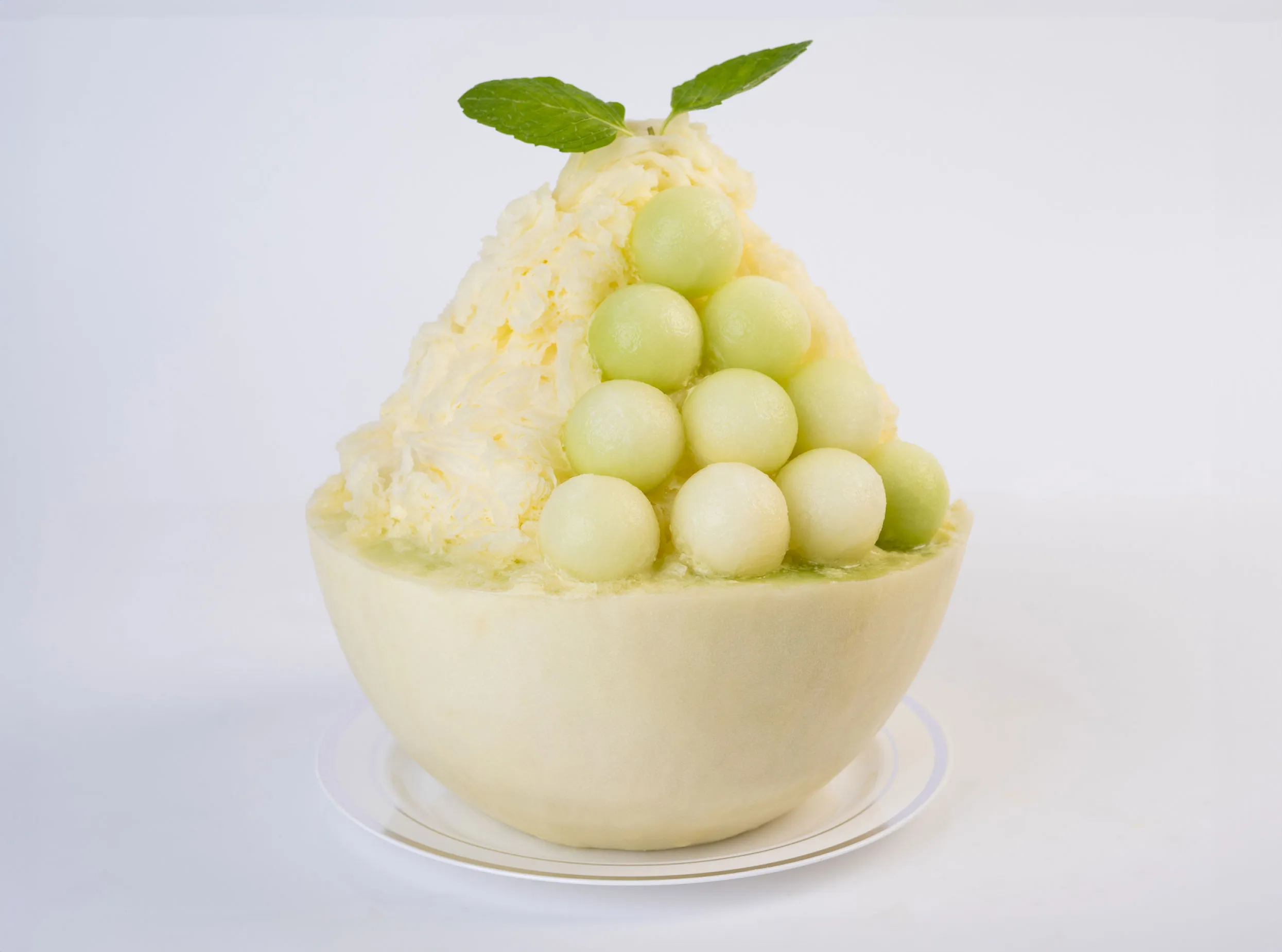
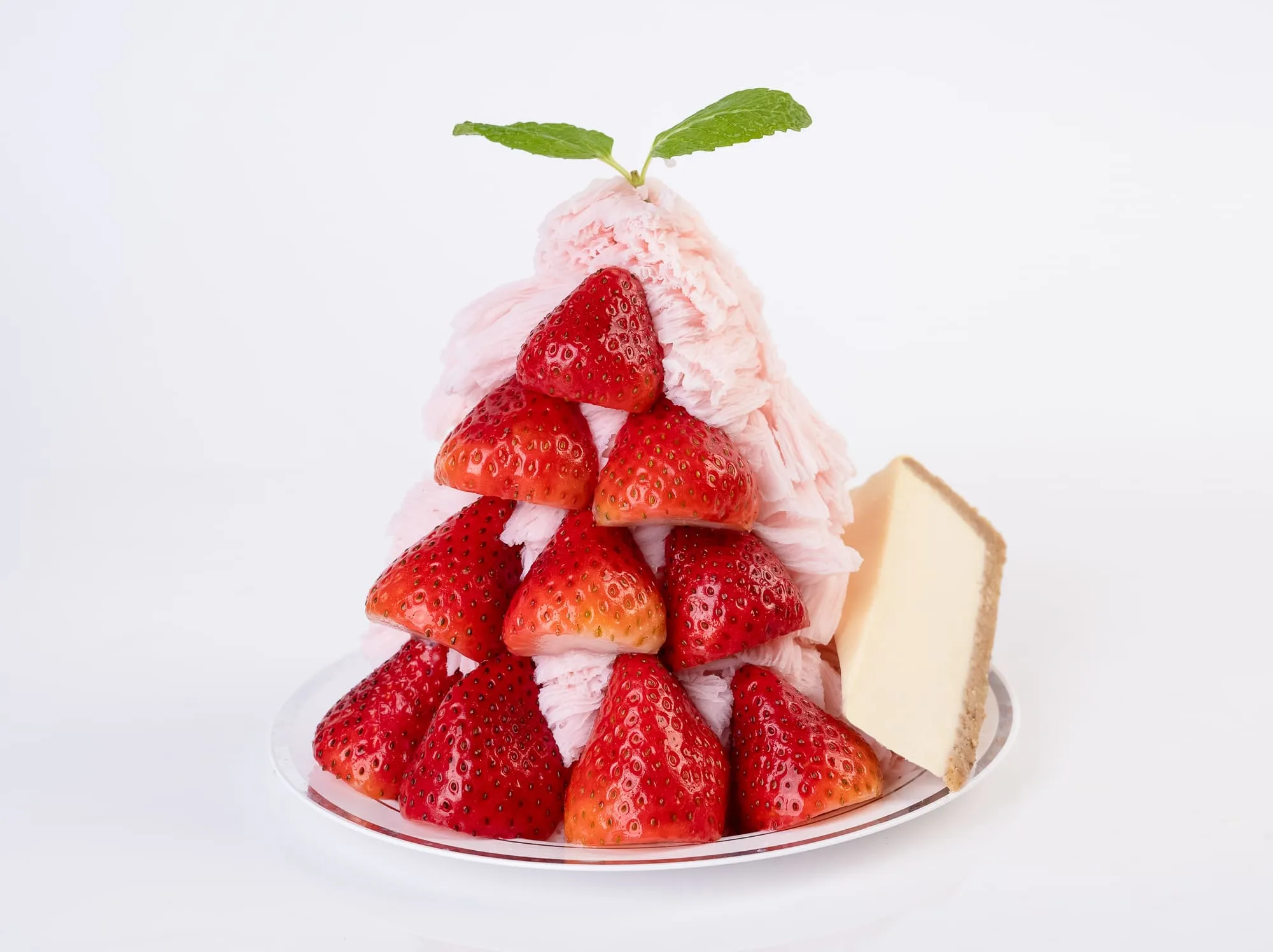
Premium Korean bingsu - premium, shareable, on-trend positioning with a higher brand moat built on brand and experience.
A premium Korean bingsu brand stacks the deck in the operator's favor on the first lever - product and positioning - which is why it is a highly credible version of the opportunity in 2026.
.png)
How Much Does a Bingsu Franchise Cost?
The investment is defined, not guesswork. Per the 2026 Oakobing FDD, Item 7 (Estimated Initial Investment) - issued January 16, 2026, amended June 15, 2026, and registered in California (effective June 23, 2026) - the numbers are:
- Initial franchise fee: $35,000.
- Single franchise - total initial investment: $200,000 to $500,000. This covers buildout, equipment, and opening costs, and includes the $35,000 initial franchise fee.
- Multi-unit (3-5 shops): development area fee $30,000 to $60,000, for a total estimate of $230,000 to $560,000. The multi-unit total covers the development area fee plus the initial investment for the first shop only - each additional shop requires its own initial investment, though no additional $35,000 franchise fee applies, as the development area fee ($15,000 for each shop beyond the first) is already included in that total.
Investment summary (2026 FDD Item 7): initial franchise fee $35,000; single-franchise total initial investment $200,000 - $500,000 (includes the franchise fee); multi-unit development area fee (3-5 shops) $30,000 - $60,000; multi-unit total estimate $230,000 - $560,000, covering the development fee plus the first shop only.
These figures are an estimate only. Actual costs may vary, and the full fee structure - including royalty and marketing terms, agreement length, and every cost category - is detailed in the FDD itself. For an investor who wants a predictable framework rather than the open-ended budget of an independent build, a defined investment range is exactly the kind of clarity that makes the opportunity bankable. For a step-by-step view of the launch path, see our guide to starting a shaved ice business.
Why Is Korean Bingsu a Growing Franchise Category?
Korean bingsu is one of the fast-growing dessert categories because it rides three trends at once. Demand for Korean food and culture has climbed sharply since 2023, premium dessert spending has held up, and social-first, photogenic food travels for free online. Bingsu sits at the center of all three:
- Premium positioning - a large, layered, shareable bowl supports a higher price point and a real brand, not a commodity snow cone.
- Social-first reach - bowls built for groups spread organically on Instagram and TikTok, reducing dependence on paid marketing.
- Cultural tailwind - the bingsu category has expanded with the broader rise of Korean food culture, and that interest is still widening.
That combination is why a premium bingsu concept is a more durable franchise bet than generic shaved ice - it is selling an experience, not just a way to cool down. For more on the category, read why Korean bingsu is a fast-growing Asian dessert franchise.
How Does an Oakobing Franchise Lower the Risk?
A franchise turns most of the unknowns of an independent launch into a defined system. With Oakobing, three things in particular cut the risk for an investor:
- A proven product and brand - you open a concept that already draws traffic instead of testing demand yourself.
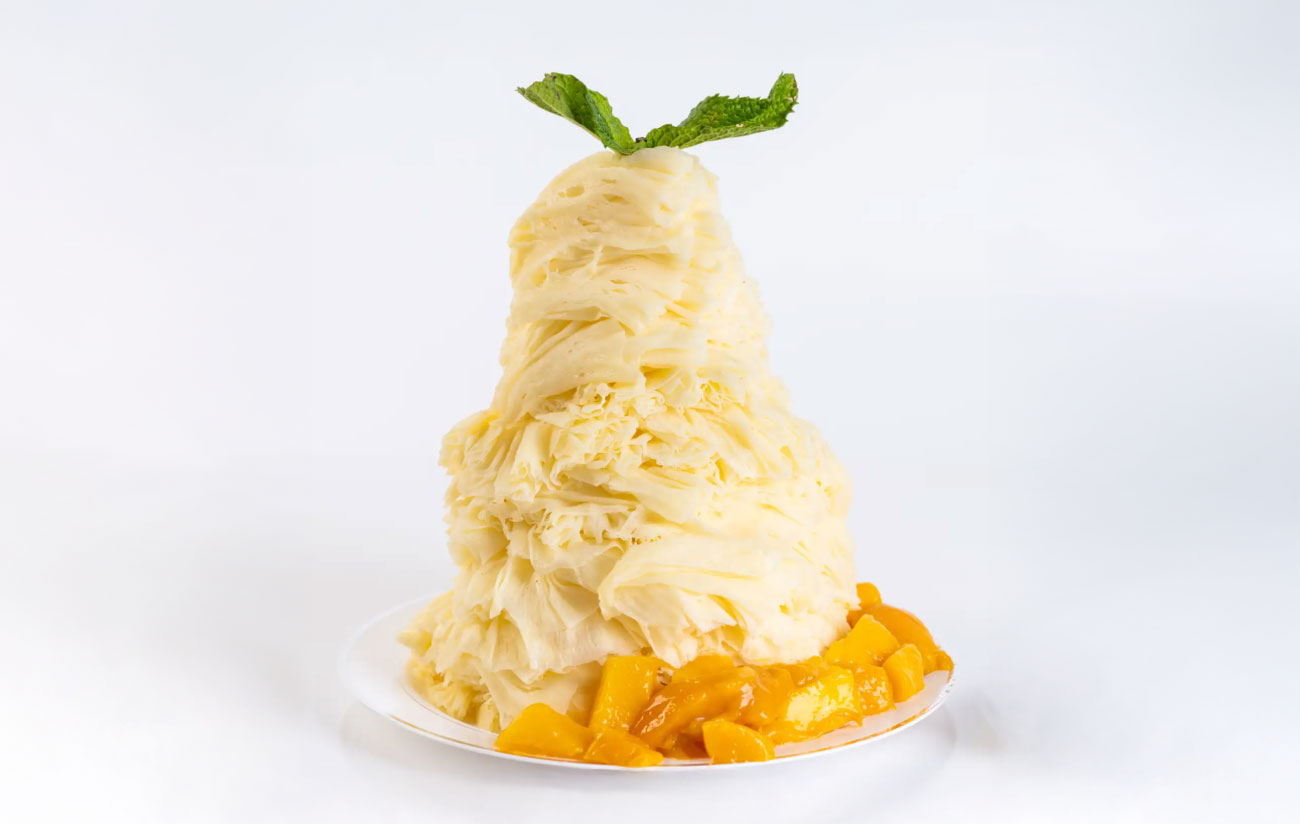
- Supply-chain support - Oakobing delivers flavored shaved-ice blocks to each store, which protects quality and simplifies in-store prep.
- Training and ongoing support - initial training covers product, operations, and systems, with continued operational guidance after opening.
That supply model is central: rather than asking every operator to recreate the product, the system ships the core ingredient ready to shave, assemble, and serve, so quality stays consistent across stores. For an investor, paying for a proven system is often a smarter use of capital than recreating a concept from scratch.
Where Is the Best Market for a Bingsu Franchise?
The strongest markets combine density, income, and cultural fit. Los Angeles and Orange County lead on all three: the LA metro is the largest Korean American market in the country, and OC suburbs such as Irvine, Fullerton, Buena Park, Anaheim, and Cerritos pair high household incomes with strong dessert demand. Oakobing already operates in Koreatown LA and Pasadena and is currently franchising in California, with priority markets across the LA metro, Orange County, and the SF/Bay Area. A growing category is only an advantage if you reach a strong market before it saturates, so timing and territory matter as much as the concept. The practical read for an investor is to look for a site that combines daily foot traffic, visibility, and a customer base that already spends on premium dessert - then to move while the category is still expanding rather than after every strong corner is taken. Secondary markets with large Korean American populations and few authentic bingsu options can be just as attractive.
What Should You Evaluate Before Investing?
Before committing capital, work through a short diligence checklist so you understand the opportunity, not just the headline. Review the full FDD - fee, royalty and marketing terms, agreement length, and the estimated investment range. Model the unit economics, including average ticket and food-and-labor ratios. Review the territory provisions in the FDD (Item 12) for your market, and clarify exactly what training and ongoing support are included. It is also worth speaking with the franchisor's team - and, as the system grows, existing franchisees - to understand the day-to-day reality of running a store - staffing, peak rushes, and seasonality - rather than relying on the headline economics alone. Honest fit matters as much as the numbers: the most successful operators care about hospitality and product quality, not only the return, and they treat the upfront homework as the real work that should happen before any capital is committed.
A shaved ice franchise opportunity is one of the more accessible ways into food service, and a premium Korean bingsu brand is a version with meaningful upside: low ingredient cost, simple operations, a higher ticket, and a category with real momentum. The investment is defined in the FDD rather than open-ended, and the supply-chain and training model is built to reduce first-time-operator risk. None of that removes the work an owner has to do - site selection, hiring, and disciplined daily operations still decide the outcome - but it does mean you start from a proven system instead of a blank page. For investors who want the upside of a fast-growing dessert category with a clearer framework than an independent build, that trade is what makes the opportunity worth a serious look. To explore whether a market fits, review the Oakobing franchise page and request the FDD for your territory.
Frequently Asked Questions
Is a shaved ice franchise a good investment?
A shaved ice franchise can be attractive because ingredient costs are low relative to the menu price and operations are simpler than a full-service restaurant. A premium Korean bingsu concept like Oakobing adds a higher average ticket and a proven brand. As with any franchise, the actual return depends on location, traffic, costs, and execution, so investors should review the Franchise Disclosure Document (FDD) in full.
How much does it cost to open a bingsu franchise like Oakobing?
Per the 2026 FDD Item 7, the initial franchise fee is $35,000 and the total initial investment for a single Oakobing shop is estimated at $200,000 to $500,000, which includes the franchise fee. A multi-unit development of three to five shops carries a development area fee of $30,000 to $60,000, for a total estimate of $230,000 to $560,000 - covering the development fee plus the first shop only, with each additional shop requiring its own initial investment (no additional franchise fee). This is only an estimate. Actual costs may vary.
Why is Korean bingsu a growing franchise category?
Korean bingsu has expanded with the broader rise of Korean food culture since 2023. It is premium, photogenic, and shareable, which supports a higher price point and organic social-media reach. Demand is strongest in dense, high-income, Korean American markets such as Los Angeles and Orange County.
Do I need restaurant experience to open a shaved ice franchise?
No formal restaurant experience is required, though it helps. A shaved ice cafe is operationally simpler than a full-service kitchen, and a franchise like Oakobing provides training on product, operations, and systems plus supply-chain support to shorten the learning curve.
What should I review before investing in a shaved ice franchise?
Review the full FDD, including the franchise fee, royalty and marketing terms, agreement length, the estimated investment range, and the territory provisions in Item 12. Model the unit economics such as average ticket and food and labor ratios, and clarify exactly what training and ongoing support are included before committing capital.
You might also like...
Stories about Korean desserts, bingsu culture, and more.