What Is Injeolmi Bingsu? Korea's Nutty Rice-Cake Bowl (2026)
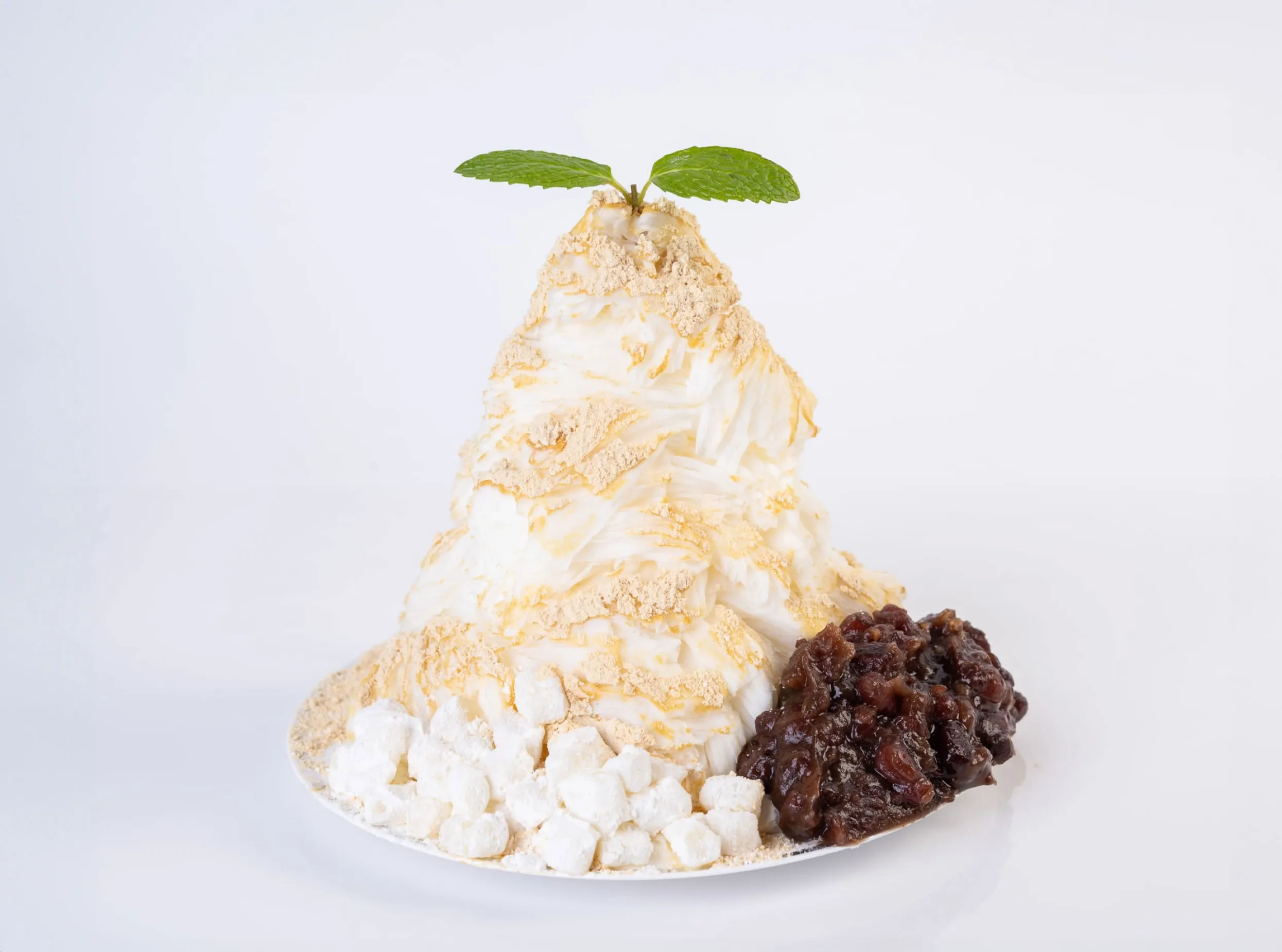
Injeolmi bingsu is Korean shaved ice topped with injeolmi - a soft, chewy pounded rice cake - and dusted generously with roasted soybean powder, usually finished with sliced almonds and a milk drizzle. It is the least sweet bowl in the bingsu category, and in 2026 it remains the one that surprises first-timers most: the flavor is toasty and nutty rather than fruity or sugary, closer to sesame or peanut than to anything in a typical American dessert case. Here is what it actually tastes like, why the texture works, and who should order it. You can see the full lineup on the Oakobing menu.
What Is Injeolmi, and Why Is It on Shaved Ice?
Injeolmi is a Korean rice cake made by steaming and pounding glutinous rice into a dense, springy block, then cutting it into cubes and coating them in roasted soybean powder. It is a snack in its own right, eaten in Korea long before anyone thought to put it on ice. The powder - kongkaru - is the flavor engine: soybeans roasted and ground fine, which turns them nutty, toasty, and just slightly savory.
Putting it on shaved ice solves a problem. Injeolmi on its own is chewy and dry, and the powder coats your mouth. Fine shaved ice melts against it, loosening the chew and carrying the powder into something that eats like a dessert rather than a snack. It is the same logic behind red bean on ice, and it is why injeolmi bingsu has stayed a fixture rather than a novelty while trends moved on around it.
What Does Injeolmi Bingsu Taste Like?
Toasty and nutty, with almost no sugar behind it. If you are expecting dessert sweetness, the first spoonful reads as unusual - grain-forward, gently savory, more like a roasted nut butter than a syrup. The soybean powder does most of the talking, the rice cake stays mostly neutral, and the milk in the ice rounds the whole thing out. Order a fruit bowl and you get brightness. Order this one and you get depth.
Texture is half the appeal, and it works in layers. The shaved ice is fine and collapses instantly. The rice cake is soft but springy and needs a moment of chewing. Sliced almonds add a dry snap. Getting all three in one spoonful is the point, which is why the bowl is layered rather than piled - the same reason the order of assembly matters throughout the category, as our guide to how bingsu is made explains. Nothing else in a dessert case eats quite like it, which is exactly why it stands apart from everything else in the case.
Why Does the Ice Matter More Than the Toppings?
Because a nutty bowl has nowhere to hide. Bingsu ice is a frozen milk base rather than water ice, so it shaves into thin, soft flakes that taste faintly creamy on their own and melt on contact instead of crunching. With a fruit bowl, a sugary syrup can paper over mediocre ice. With injeolmi there is no syrup doing that work, so coarse or flavorless ice shows up immediately.
There is also a difference in how flavor gets into a bowl. The common approach across the industry is to shave plain ice and pour flavoring over the mound, which means the top spoonfuls taste strong and the bottom tastes like water. Oakobing infuses flavor into the ice block itself, produced at its own facility, so a flavored bowl tastes consistent from the top layer to the last spoonful. Oakobing is Korean shaved ice reworked for how people eat dessert here rather than a museum recreation of a Seoul cafe - the brand name means shaved ice inside a jade jar. If the nutty profile is not what you are after, mango melon bingsu is the place to start with fruit instead.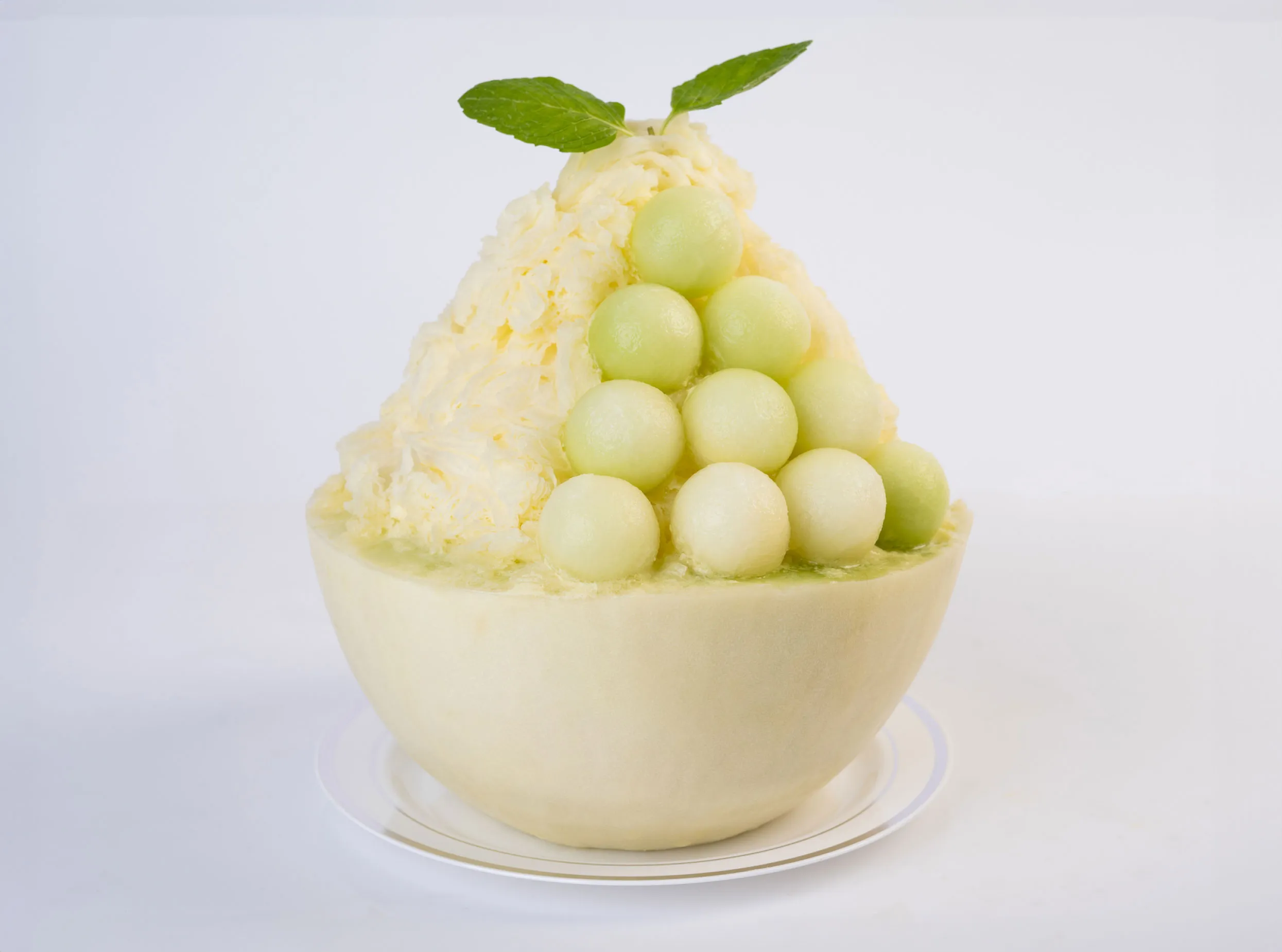
Who Should Order Injeolmi Bingsu?
Order it if you fit any of these:
- You find most American desserts too sweet. This is the bowl that fixes that complaint without giving up the treat.
- You like sesame, peanut, or roasted-grain flavors. Black sesame ice cream fans convert almost immediately.
- You want texture, not just cold. The rice-cake chew is the whole reason to pick this over a fruit bowl.
- You are eating after a full meal. Nutty and light lands better than sweet and heavy at that point.
Skip it, or split it with someone, if you specifically want a bright fruit dessert or if chewy textures are not for you - the rice cake is genuinely chewy, not a soft garnish. And if you are curious how the whole category divides up, patbingsu vs bingsu explains where the red-bean original sits relative to everything that followed. Either way, this is a bowl built more around comfort than a sugar rush.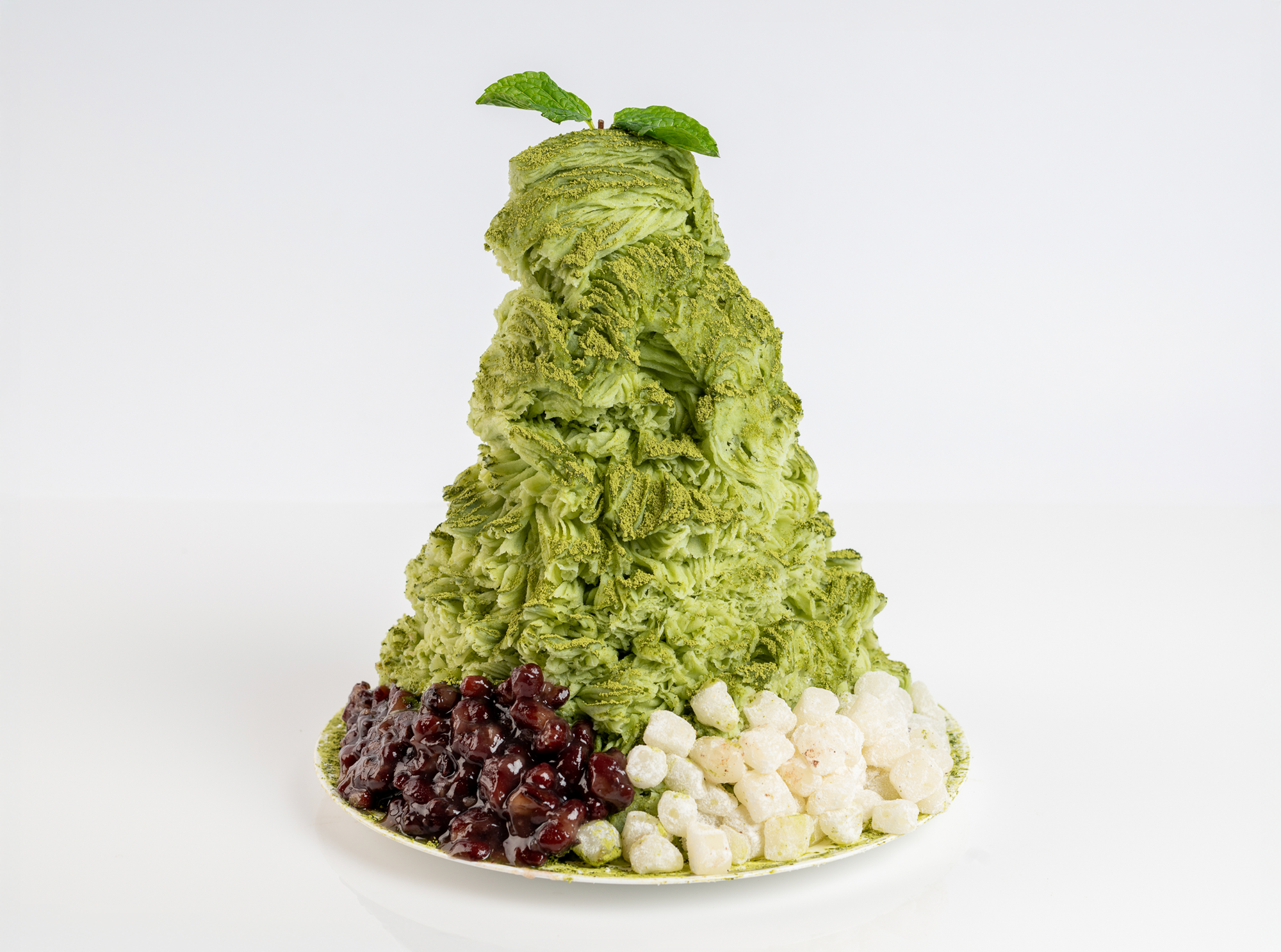
How Should You Order It?
Two things make the difference. First, size: an Oakobing Large is portioned for two to four people, so order a Large for a group and something smaller if you are on your own - shaved ice does not wait, and a bowl too big for one person becomes soup before you finish it. Second, the drizzle. Oakobing serves the milk drizzle on the side rather than pre-poured, which matters more on this bowl than on any other, because the drizzle is where nearly all the sweetness comes from. Start with less than you think you want, taste, then add.
Both Oakobing stores build every bowl to order, in Koreatown Los Angeles and Old Pasadena. Addresses, hours, and directions are on the locations page. And if watching a bowl come together makes you think about running a shop like it, Oakobing is currently franchising in California - the franchise page covers what that involves.
Frequently Asked Questions
What is injeolmi bingsu?
Injeolmi bingsu is Korean shaved ice topped with injeolmi, a chewy pounded rice cake, and dusted with roasted soybean powder. Unlike fruit bingsu it is not sweet-forward at all - the dominant flavors are toasty and nutty, closer to peanut butter or sesame than to sugar, with the rice cake adding a soft chew against the fine ice. Sliced almonds and a milk drizzle usually finish the bowl.
What does injeolmi taste like?
Injeolmi itself is mild and mostly neutral in flavor - the taste comes from the coating. Roasted soybean powder, called kongkaru in Korean, is nutty, toasty, and slightly savory, similar in character to unsweetened peanut powder or roasted sesame. The rice cake contributes texture rather than sweetness: soft, springy, and chewy. Together they make a dessert that reads as comforting and grain-forward rather than sugary.
Is injeolmi bingsu sweet?
Only lightly. Injeolmi bingsu is one of the least sweet bowls in the bingsu category because neither the rice cake nor the roasted soybean powder carries much sugar. Most of the sweetness comes from the milk drizzle, which at Oakobing is served on the side so you decide how much goes on. That makes it a good pick for anyone who finds typical American desserts too sweet but still wants something that feels like a treat.
Is injeolmi bingsu vegan or dairy-free?
No. Standard bingsu ice is a frozen milk base rather than water ice, and the milk drizzle served alongside is dairy as well, so an injeolmi bowl is not dairy-free. The rice cake and roasted soybean powder are plant-based, but the ice itself is not. Anyone with a dairy allergy or a strict plant-based diet should ask staff at the counter about the specific bowl before ordering.
Where can you get injeolmi bingsu in Los Angeles?
Oakobing serves injeolmi bingsu at both of its Southern California stores, in Koreatown Los Angeles and Old Pasadena, built to order with the milk drizzle on the side. Every bowl is made when you order it rather than held, and a Large is portioned for two to four people to share. See the Oakobing locations page for addresses, hours, and directions to either store.
You might also like...
Stories about Korean desserts, bingsu culture, and more.