Bingsu vs Mango Sago: Korean vs Hong Kong Cold Dessert (2026)
Bingsu vs mango sago in 2026 comes down to ice versus soup: mango sago is a chilled Hong Kong dessert soup of blended mango, milk, sago pearls and often pomelo, while bingsu is a frozen milk block shaved into soft, snowy flakes, piled high and shared from one bowl. Both are cold, both love mango, and both are easy to find across Los Angeles and the San Gabriel Valley. The base, the temperature and the way you eat them are what set them apart.
What Is the Difference Between Bingsu and Mango Sago?
Mango sago is a creamy, spoonable soup; bingsu is shaved ice. One is chilled, the other is frozen.
Mango sago, often called mango pomelo sago, is widely credited to Hong Kong dessert shops in the 1980s. Ripe mango is blended with coconut milk or evaporated milk, then mixed with cooked sago pearls, diced mango and segments of pomelo. It is served cold in a bowl or cup and eaten with a spoon, almost like a dessert smoothie with texture.
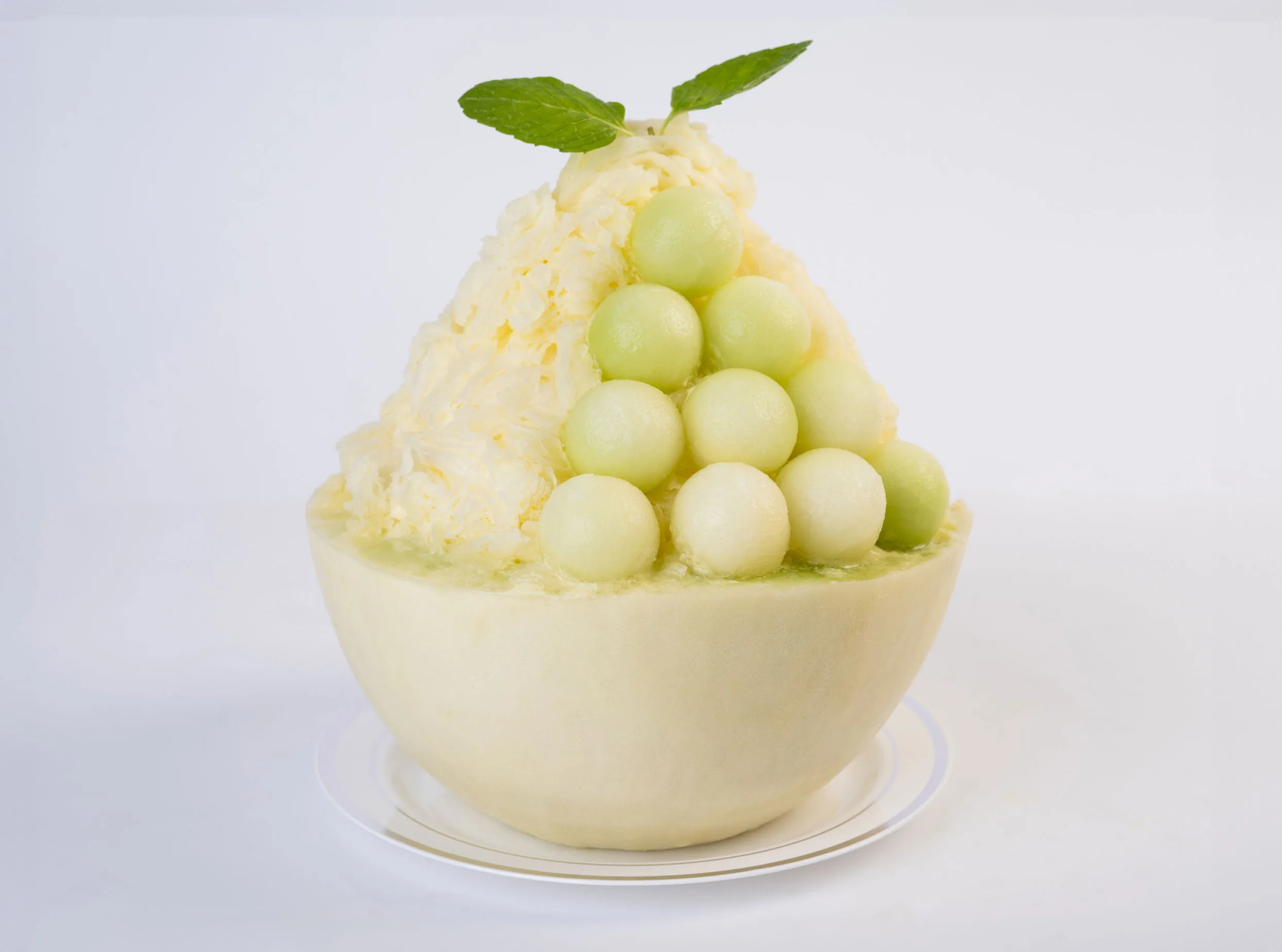
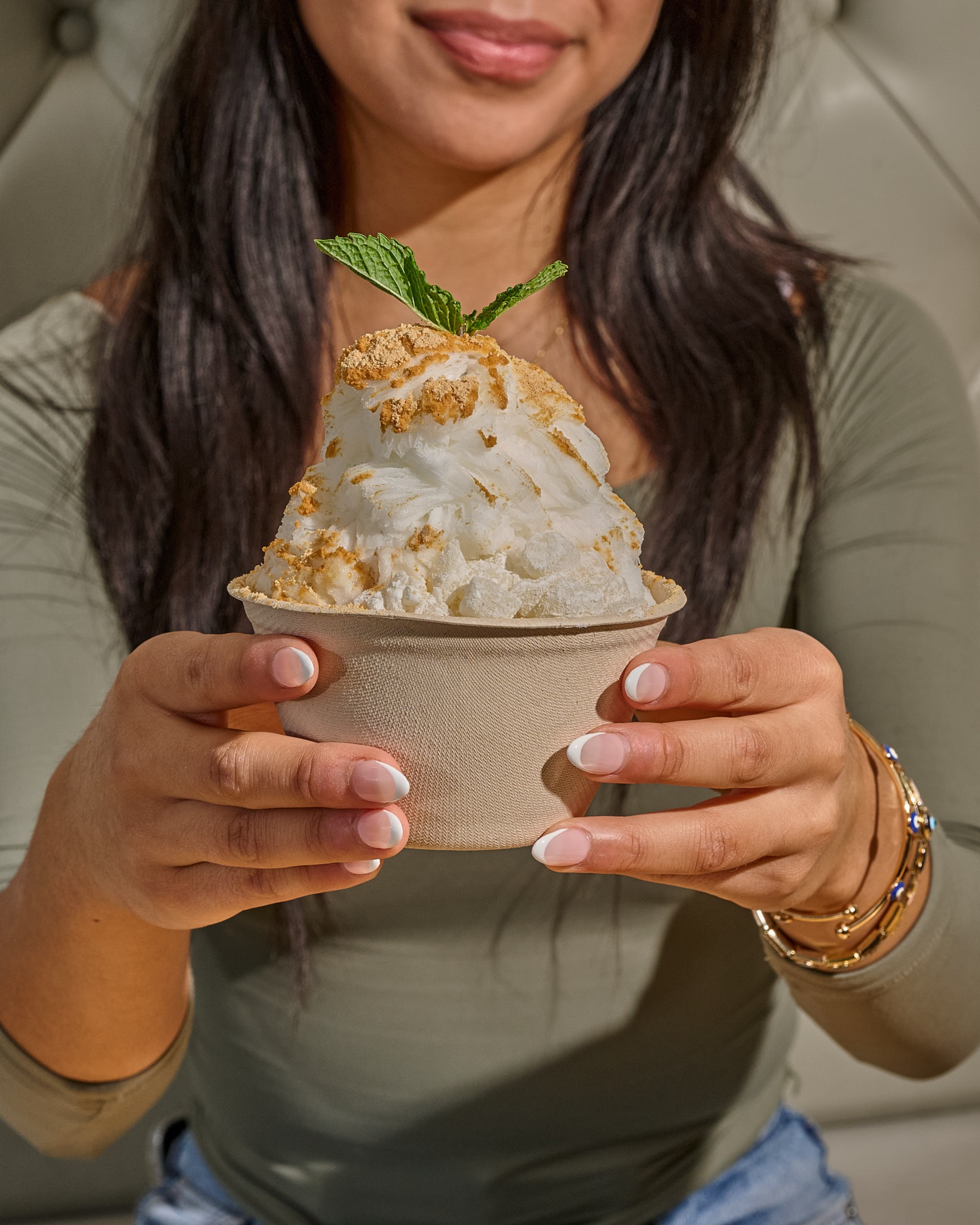
Bingsu starts from a block. In the modern Korean style that block is frozen milk, and a machine shaves it into thin, feathery ribbons. Toppings go on top, and the flakes are so fine that the ice melts almost on contact.
| Bingsu | Mango Sago | |
|---|---|---|
| Origin | Korea | Hong Kong |
| Base | Shaved frozen milk (modern style) | Blended mango with coconut or evaporated milk |
| Temperature | Frozen | Chilled |
| Texture | Light, fine, snowy | Creamy liquid with chewy pearls |
| Signature add-ins | Fruit, rice cake, cookies | Sago pearls, mango cubes, pomelo |
| Portion | Large bowl for 2-4 people | Usually one bowl or cup per person |
How Does the Mango Flavor Compare?
Mango sago puts mango in the base; mango bingsu puts mango in the ice and fruit on top. The result is a different kind of mango experience.
In mango sago, blended mango is the body of the dessert. Every spoonful is thick, tropical and creamy, with the pomelo adding a bright, slightly bitter pop and the sago pearls adding a soft chew.
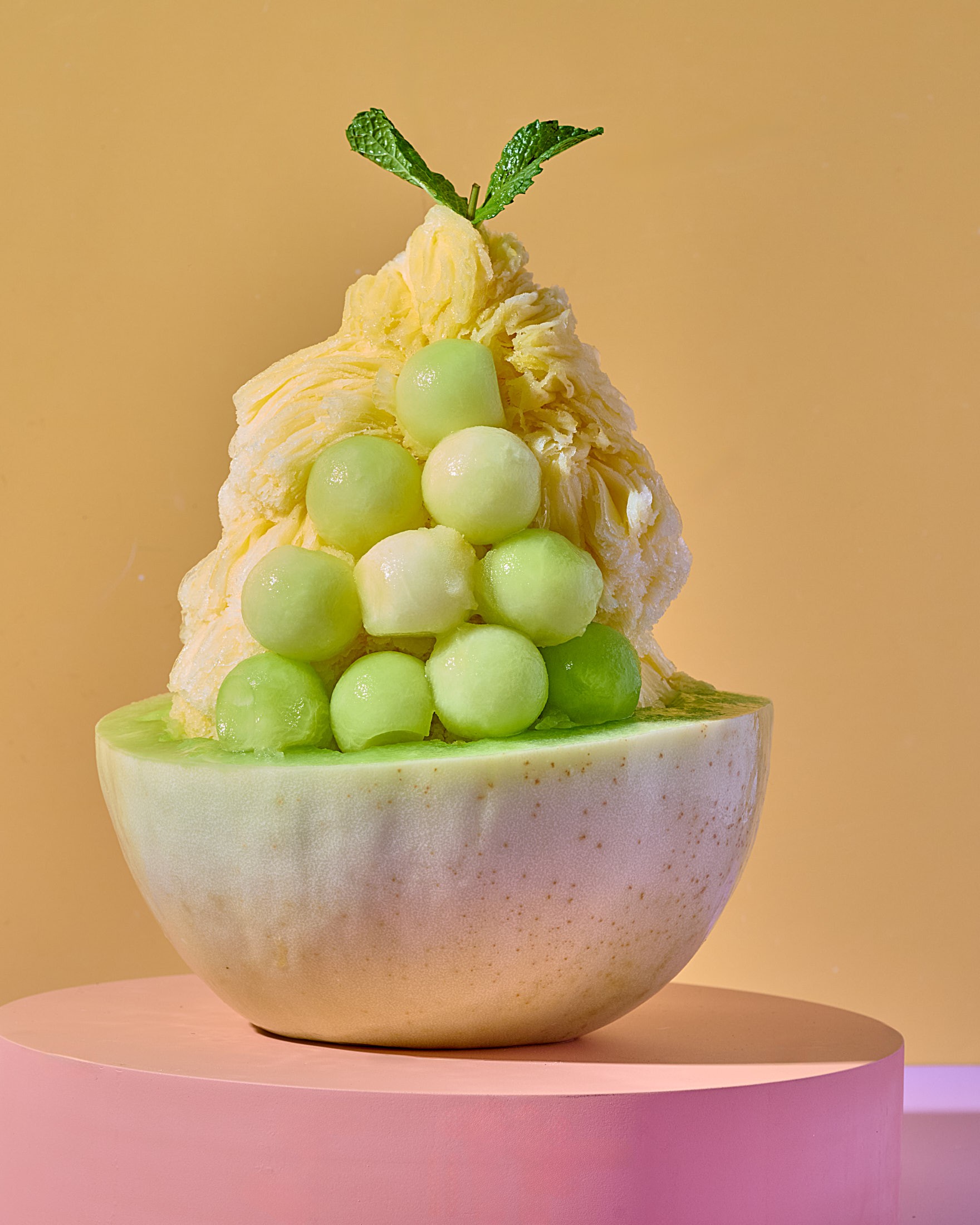
At Oakobing, the signature bowl is mango melon bingsu. The mango flavor is infused into the ice block itself at the company's own production facility, so the ice tastes like mango all the way through instead of only where a syrup lands. Melon balls go on top for a juicy, fresh contrast. The condensed milk drizzle comes on the side, so the table decides how sweet each spoonful gets.
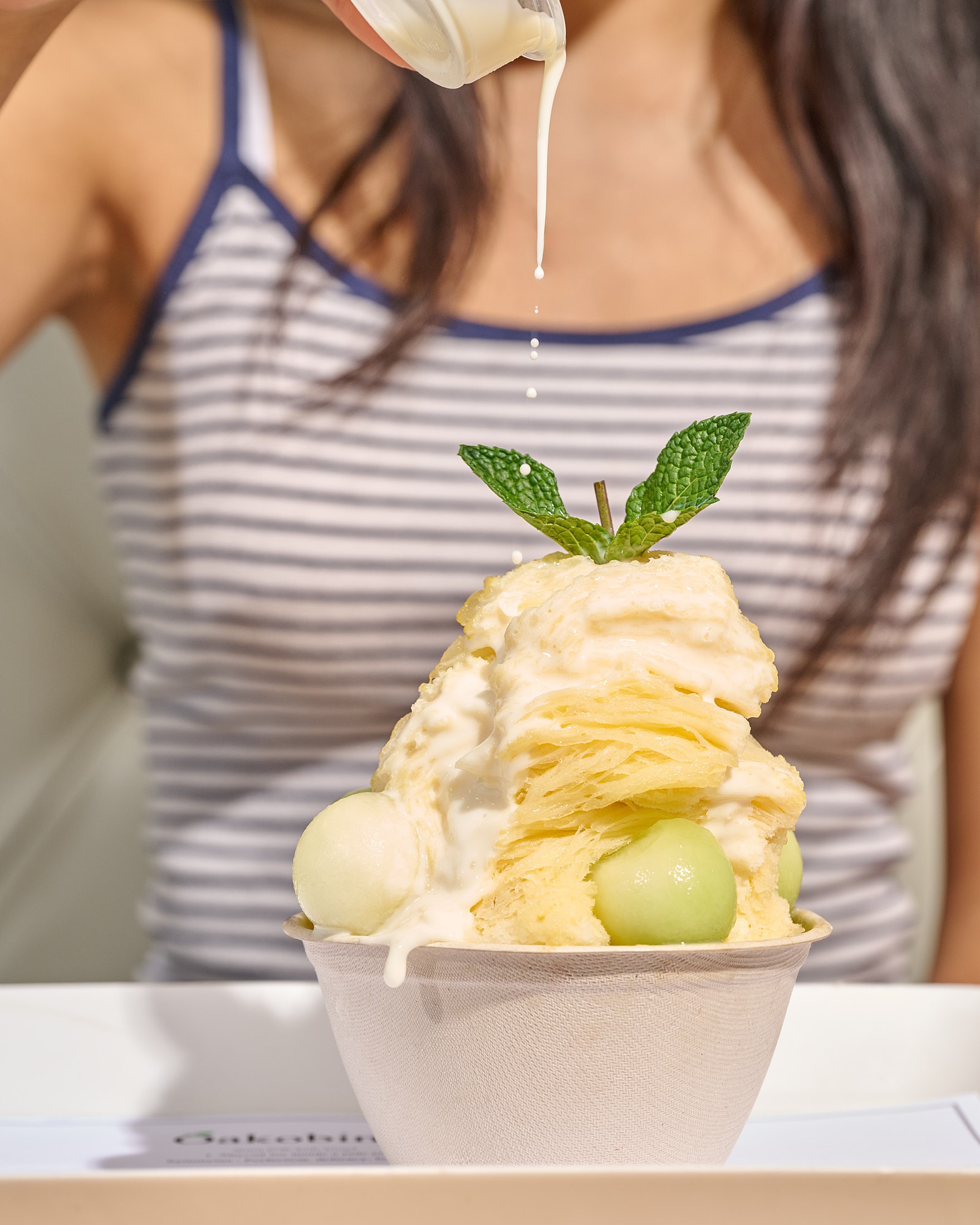
If you love the creaminess of mango sago, pour a little more of that drizzle over the top. If you love the fresh fruit, the melon balls do the same job pomelo does in the Hong Kong version: they break up the richness.
Which Has the Better Texture, Bingsu or Mango Sago?
It depends on whether you want chew or fluff. Mango sago is about chewy pearls in a smooth, creamy liquid. Bingsu is about airy ice that dissolves on your tongue.
Fans of chewy textures still have a bingsu option. Injeolmi bingsu pairs shaved milk ice with roasted soybean powder and soft Korean rice cake, so you get that satisfying bite from chewy rice cake instead of sago. Read what is injeolmi bingsu for the full breakdown.
How Do You Eat Bingsu and Mango Sago?
You sip and spoon mango sago on your own; you dig into bingsu together. The eating style is almost as different as the dessert.
Mango sago is usually served in a single bowl or cup. You stir it once so the pearls and fruit are spread through the cream, then eat it with a spoon, often finishing the last bit like a drink.
Bingsu arrives as a tall mound in one bowl for the table. The best approach is to start from the top and work around the edges, mixing toppings into the ice as you go, and to eat at a steady pace before it melts. Our how to eat bingsu guide covers the order, spoons and timing.
When Should You Order Bingsu Instead of Mango Sago?
Order bingsu when you want a frozen dessert to share; order mango sago when you want a creamy, chilled dessert for one.
Pick mango sago if:
- You want something smooth and creamy rather than icy.
- You love chewy pearls.
- You want a single-serving dessert after dim sum or a noodle dinner.
Pick bingsu if:
- You want the coldest, most refreshing option on a hot day.
- You are with two to four people and want one bowl in the middle of the table.
- You want toppings such as fresh fruit, rice cake or cookies.
Comparing other Asian cold desserts? Our bingsu vs halo-halo guide covers the Filipino version, and bingsu vs mochi ice cream covers the Japanese-style bite.
Where Can You Try Mango Bingsu in Los Angeles?
Oakobing serves mango melon bingsu at two Los Angeles area cafes: the original Koreatown location, open since 2016, and a second cafe in Old Pasadena, a short drive from the San Gabriel Valley. Every bowl is shaved to order, and the Large size is portioned for two to four people.
For more on the signature bowl, read our mango bingsu guide. See current flavors on the Oakobing menu and addresses, hours and directions on the Oakobing locations page.
Frequently Asked Questions
What is the difference between bingsu and mango sago?
Mango sago is a Hong Kong dessert soup made from blended mango, coconut milk or evaporated milk, small sago pearls and often pomelo, served chilled in a bowl or cup. Bingsu is a Korean dessert made by shaving a frozen milk block into fine, snowy flakes and topping it with fruit, rice cake or cookies. Mango sago is creamy and drinkable; bingsu is light, airy and eaten with a spoon.
Is mango sago the same as mango pomelo sago?
Mostly, yes. Mango pomelo sago is the full name of the Hong Kong dessert, and many shops shorten it to mango sago. The classic version includes pomelo segments for a slightly bitter, juicy contrast, while some versions leave the pomelo out and keep only mango, milk and sago pearls.
Which is colder, bingsu or mango sago?
Bingsu is colder because the whole dessert is made of shaved ice. Mango sago is chilled in the fridge and sometimes served with a little ice, but it is a cold soup rather than a frozen dessert. On a very hot day bingsu gives a stronger cooling hit, while mango sago is smoother and easier to sip.
Does Oakobing have a mango dessert?
Yes. Oakobing's signature bowl is mango melon bingsu, which is mango-infused shaved milk ice topped with melon balls. The flavor is infused into the ice block itself at the company's own production facility. It is served at the Koreatown Los Angeles and Old Pasadena cafes. Check the menu page for current flavors.
Does Oakobing sell mango sago?
No. Oakobing does not sell mango sago or other Hong Kong dessert soups. Its cafes serve Korean bingsu, including the signature mango melon bowl, plus Korean dessert drinks such as injeolmi latte, green tea latte and strawberry milk. For mango sago, a Hong Kong style dessert shop is the right stop.
You might also like...
Stories about Korean desserts, bingsu culture, and more.