Bingsu vs Raspado: Korean vs Mexican Shaved Ice (2026)
Bingsu vs raspado in 2026 comes down to the ice and the flavor direction: a raspado is shaved water ice soaked in fruit syrup and often finished with chamoy or chile-lime, while bingsu is a frozen milk block shaved into soft flakes and topped with fruit, cookies or rice cake. Both are shaved ice, both are everywhere in Los Angeles, and both are the answer when a warm afternoon calls for something cold. They taste very different, and knowing why makes it easier to pick.
What Is the Difference Between Bingsu and a Raspado?
A raspado gets its flavor poured on; bingsu gets its flavor from the ice itself. That is the short answer, and everything else follows from it.
A raspado (the name comes from the Spanish verb for scraping) is one of the classic Mexican frozen treats. Plain water ice is shaved or scraped into a cup and soaked with a fruit syrup, often made with real fruit such as mango, strawberry, tamarind or pineapple. Many versions add fresh fruit chunks, a spoon of condensed milk, chamoy and a dusting of chile-lime powder, so one cup can be sweet, sour, salty and a little spicy at once.
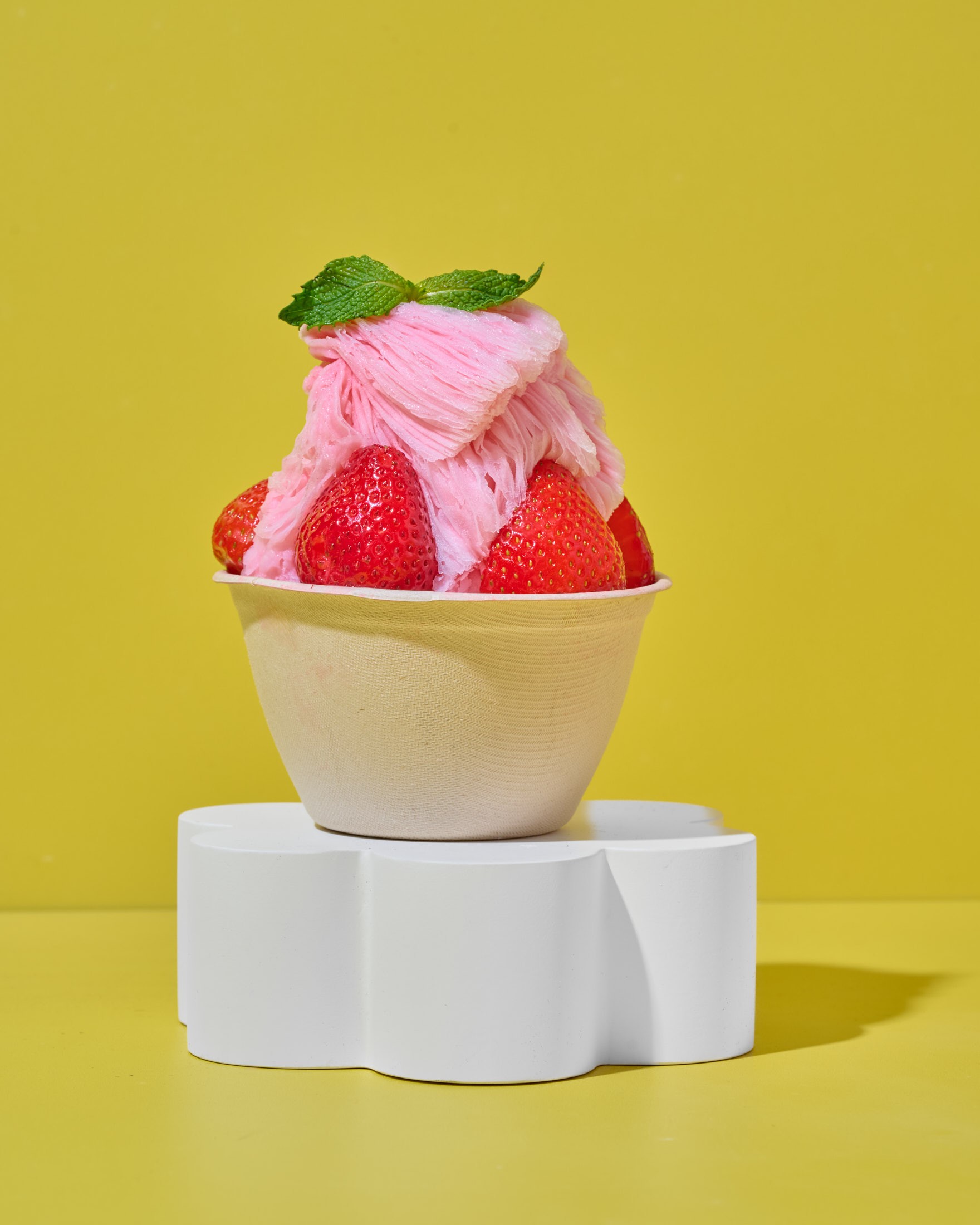
Bingsu starts as a solid frozen block. In the modern Korean style that block is milk rather than water, and a shaving machine cuts it into very thin flakes that pile up like fresh snow. At Oakobing the flavor is infused into the ice block at the company production facility, so strawberry or green tea runs through the whole bowl instead of sitting on top as a syrup. Toppings are placed on the flakes rather than poured into them, and that is the real dividing line.
| Bingsu | Raspado | |
|---|---|---|
| Origin | Korea | Mexico |
| Base | Shaved frozen milk block | Shaved or scraped water ice |
| Flavor source | Infused into the ice block | Fruit syrup poured over the ice |
| Typical toppings | Fresh fruit, cookies, rice cake, red bean | Fresh fruit, chamoy, chile-lime, condensed milk |
| Flavor profile | Creamy, mild, sweet or nutty | Bright, juicy, often sweet and tangy |
| Format | Tall bowl for the table | Cup for one |
Which Has the Softer Texture, Bingsu or a Raspado?
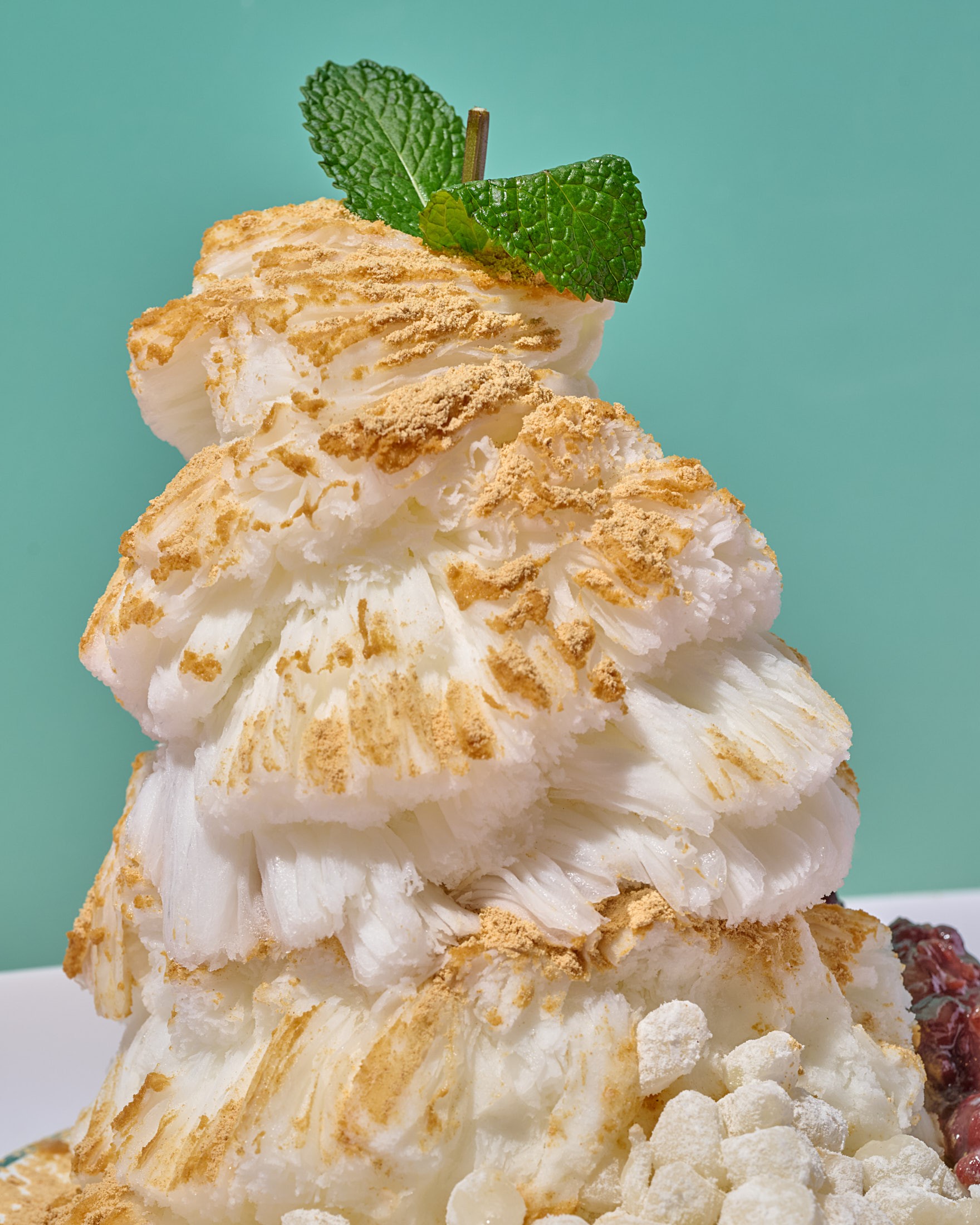
Bingsu is softer. Milk ice shaves into thin, airy flakes that feel closer to fresh snow than to crushed ice, and they melt almost the moment they touch your tongue.
A raspado has more crunch. Water ice holds a firmer crystal, and once syrup soaks in, the bottom of the cup turns into a sweet, slushy layer that many people consider the best part. If you love that juicy finish, a raspado delivers it. If you want a dessert that stays creamy from the top spoonful to the last, bingsu is the closer match. The difference between fine milk flakes and coarser ice is covered in more depth in our bingsu vs snow ice vs shaved ice guide.
Do Bingsu and Raspados Taste Alike?
Some flavors overlap, but the overall direction is different. Raspados are built around contrast: sweet fruit syrup against sour chamoy and the heat of chile-lime. Bingsu is built around harmony: milky ice, fresh fruit and a sweet finish you can control.
Where the two meet:
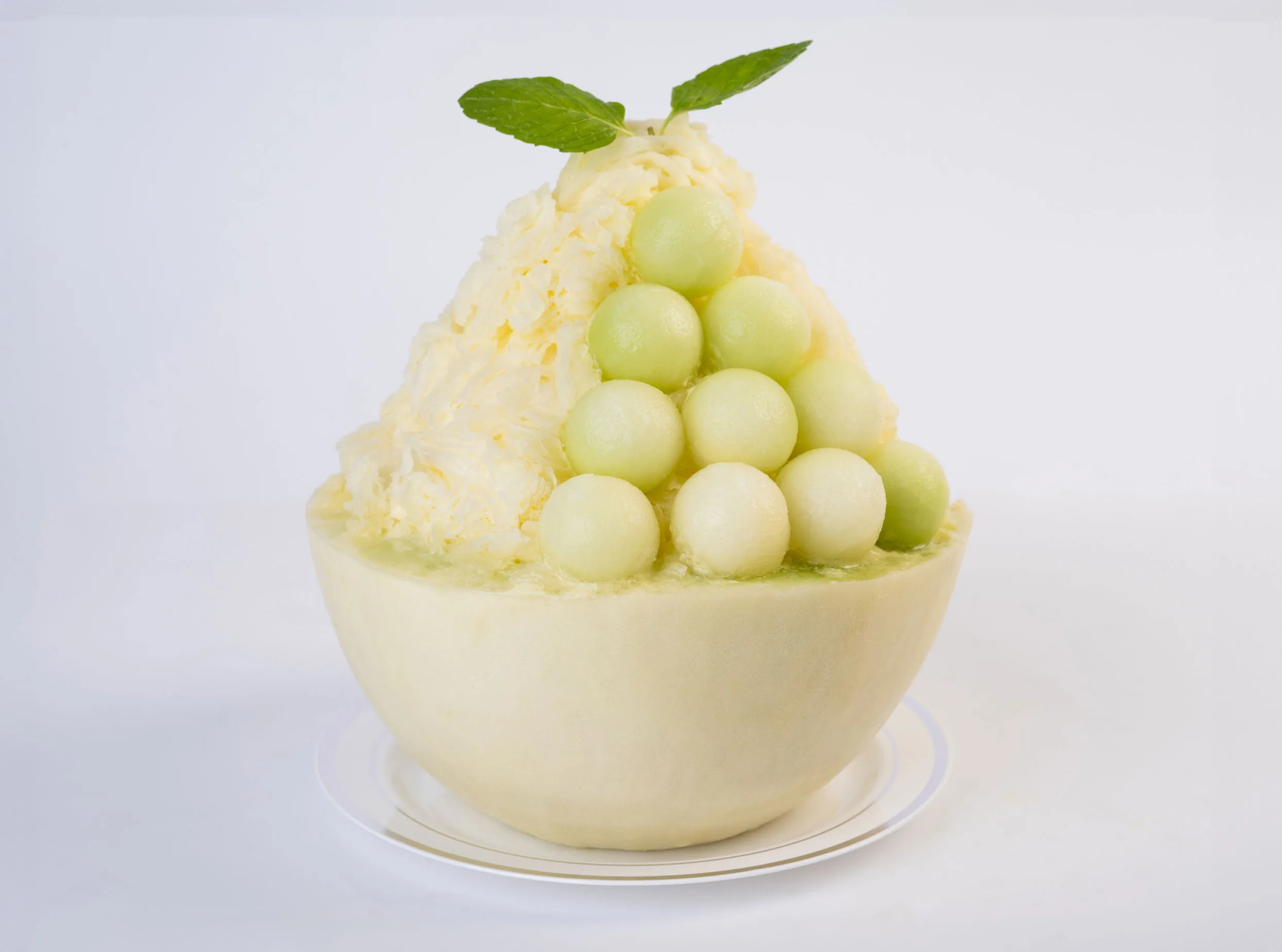
- Mango. Mango is a raspado favorite, and the Oakobing signature mango melon bowl is the closest match on the bingsu side, topped with melon balls over fruit-forward ice.
- Strawberry. A strawberry raspado and a strawberry bingsu share the fruit, but the bingsu version layers fresh berries over strawberry-infused milk ice.
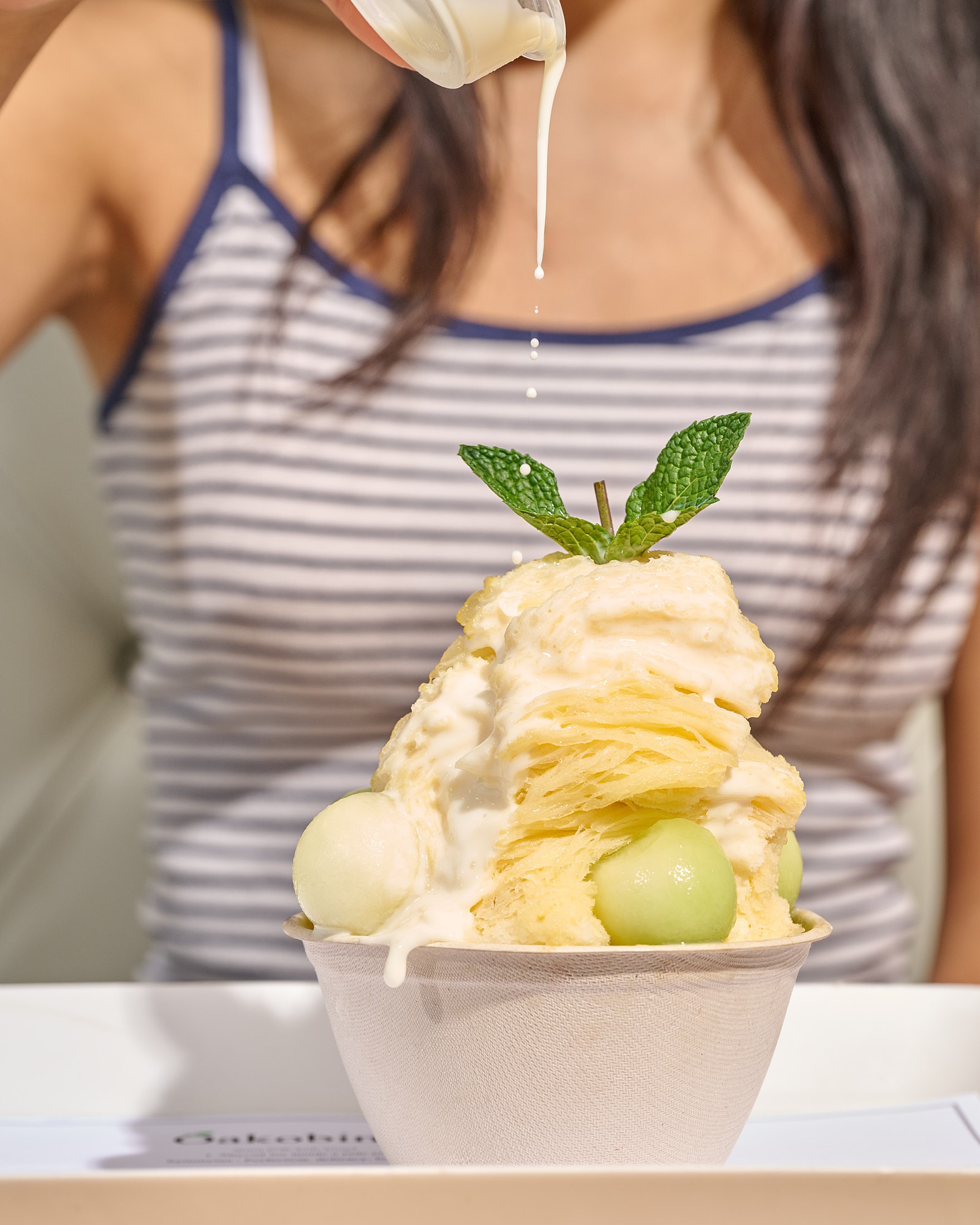
- Condensed milk. Plenty of raspados get a drizzle of lechera on top. At Oakobing the condensed milk drizzle comes on the side, so you add as much or as little as you like.
What you will not find in a bowl of bingsu is chile, chamoy or salt. Bingsu toppings lean sweet and nutty instead, from cookie pieces to roasted soybean powder. The full list is in our bingsu toppings guide.
Which Should You Order If You Love Raspados?
Pick a bingsu flavor that maps to the raspado you already order. That keeps the first bowl familiar while the texture does the surprising part.
- Love a mangonada-style raspado? Start with mango melon, the signature bowl and the most fruit-forward option.
- Love strawberry or fresas con crema? The strawberry bowl pairs fresh berries with creamy milk ice, so the strawberry bowl is the easy crossover.
- Love the cream-topped versions? Injeolmi, coated in roasted soybean powder with chewy rice cake, is the nutty, creamy pick.
- Want something rich? Oreo tiramisu brings cookie pieces and a coffee-dessert profile.
One habit to change: do not wait for the syrup to soak in. Bingsu flakes melt faster than water ice once you dig in, so mix the toppings through and eat while the snow is still fluffy. Our guide on how to eat bingsu walks through the timing.
Which Should You Choose in Los Angeles?
Order a raspado when you want something bright, tangy and personal, especially on a hot day when a cup of syrup-soaked ice with chile-lime is exactly right. It is a one-person, walk-and-eat treat.
Order bingsu when you want a creamy dessert for the table. A Large bowl is portioned for two to four people and comes with spoons for everyone, so it turns a quick stop into a sit-down dessert. If you are comparing other shaved ice traditions, see bingsu vs halo-halo and bingsu vs Hawaiian shave ice.
Oakobing does not sell raspados; it serves Korean bingsu and Korean dessert drinks in Koreatown Los Angeles and Old Pasadena. Current flavors are on the Oakobing menu, and addresses and directions for both cafes are on the locations page.
Frequently Asked Questions
What is the difference between bingsu and a raspado?
A raspado is Mexican shaved ice: plain water ice shaved into a cup and soaked with fruit syrup, often finished with fresh fruit, chamoy, chile-lime powder or condensed milk. Bingsu is Korean shaved ice made in the modern style from a frozen milk block, shaved into soft flakes and built into a tall bowl with fruit, cookies or rice cake on top. Raspado leans bright and tangy; bingsu leans creamy and mild.
Is bingsu creamier than a raspado?
Yes, in most cases. The ice in modern bingsu is milk-based, so creaminess runs through every flake. A raspado usually starts with water ice, and any creaminess comes from a topping such as condensed milk or a cream-style syrup added at the end. If you like the creamy versions of raspados, bingsu will feel familiar.
Does bingsu have chamoy or chile like a raspado?
Not usually. Chamoy, chile-lime powder and tangy fruit are a Mexican flavor tradition, and they are what make many raspados sweet, sour and a little spicy at once. Korean bingsu stays on the sweet and nutty side with fresh fruit, cookie pieces, roasted soybean powder, red bean and condensed milk. The Oakobing menu does not include chile toppings.
Which is better for sharing, bingsu or a raspado?
Bingsu is designed for sharing. A raspado is typically served in a cup for one person, so a group orders one each. A Large bingsu at Oakobing is portioned for two to four people and arrives with spoons for the table, which makes it the better pick when a group wants one dessert in the middle.
Does Oakobing sell raspados?
No. Oakobing serves Korean bingsu and Korean dessert drinks such as injeolmi latte, green tea latte and strawberry milk at its Koreatown Los Angeles and Old Pasadena cafes. For a raspado with chamoy and chile, a Mexican neveria or raspado stand is the right stop. For shaved milk ice in a shareable bowl, that is what the Oakobing menu is built around.
You might also like...
Stories about Korean desserts, bingsu culture, and more.