Korean New Year Desserts: What People Eat for Seollal (2026)
Korean New Year desserts, served for Seollal in 2026 and beyond, center on a handful of traditional sweets: yakgwa honey cookies, yugwa puffed rice crackers, rice cakes (tteok), and sweet drinks such as sikhye and sujeonggwa. Seollal is the Lunar New Year, one of the biggest holidays in Korea, and these sweets are what families commonly set out after the main meal and share with visiting relatives. Here is what each one is, what it tastes like, and how to enjoy Korean desserts in Los Angeles around the holiday.
What Is Seollal and When Is It?
Seollal is Korean Lunar New Year, a holiday centered on family, ancestral rites and food. In 2027 it falls on February 6, and in Korea the holiday usually covers the day before, the day itself and the day after.
The day is traditionally marked by a few customs:
- Charye - a memorial table set for ancestors, with food arranged in a set order.
- Sebae - a deep New Year's bow to elders, who often give younger family members gifts of money.
- Tteokguk - rice cake soup, eaten for good luck. It is savory, not a dessert.
Sweets come after the meal and during visits, when hosts set out snacks for guests. Gift sets of yakgwa, yugwa and other confections are also a common holiday present, so the same sweets often show up in several homes over the long weekend. In Korean American communities, including Koreatown Los Angeles, many families celebrate on the nearest weekend.
What Are the Traditional Korean New Year Desserts?
The classic Seollal sweets fall into three groups: cookies and confections, rice cakes and drinks. Most are made with honey, rice, grains and nuts rather than butter or chocolate.
| Dessert | What it is | Taste and texture |
|---|---|---|
| Yakgwa | Fried honey cookie soaked in ginger-honey syrup | Soft, chewy, warm and sweet |
| Yugwa | Fried rice cracker coated in honey and rice puffs | Light, crisp, melts quickly |
| Dasik | Pressed tea cakes made from grain, pollen or sesame powder | Dry, delicate, lightly sweet |
| Tteok | Rice cakes, often coated in bean or soybean powder | Chewy and mild |
| Sikhye | Chilled sweet rice drink | Malty, sweet, with soft rice grains |
| Sujeonggwa | Cinnamon and ginger punch with dried persimmon | Spicy-sweet and refreshing |
Yakgwa is the sweet many people outside Korea try first. It has a long history as a holiday and ceremonial treat, and in recent years it has had a revival as a trendy cafe snack. Our Korean dessert names glossary covers more of these terms if you want a quick reference.
Why Are Rice Cakes So Important at New Year?
Rice cakes are tied to New Year because rice has long symbolized abundance in Korea, and long white rice cake rolls are associated with a long, clean start to the year. Those rolls are sliced for tteokguk, while sweet rice cakes are served as snacks.
The most familiar sweet rice cake in the United States is injeolmi: chewy rice cake coated in roasted soybean powder, nutty and only lightly sweet. It is also one of the most popular modern bingsu flavors. An injeolmi bowl sits in the same family of flavors as holiday rice cakes.
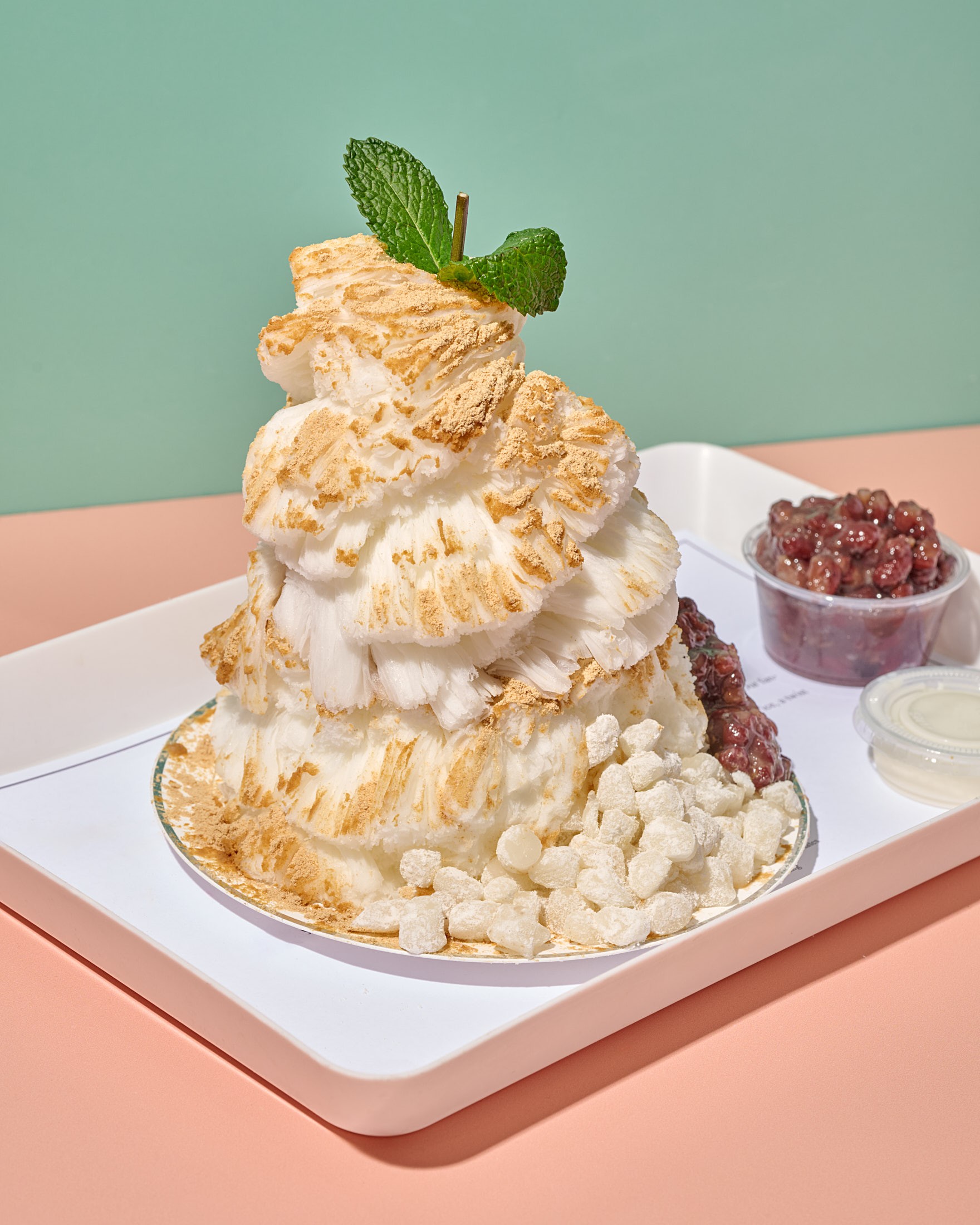
If injeolmi is new to you, what is injeolmi bingsu explains how the traditional rice cake became a shaved ice topping.
What Drinks Go With Korean New Year Desserts?
Sikhye and sujeonggwa are the classic pair. Both are served cold, and both are meant to aid digestion after a heavy holiday meal.
- Sikhye is made by steeping cooked rice with malt, then sweetening and chilling it. A few rice grains float in each cup.
- Sujeonggwa is simmered with cinnamon and ginger and often served with dried persimmon and pine nuts.
The idea behind both is the same: a cold, sweet drink signals that the meal is over and lets it end on a lighter note.
Where Can You Enjoy Korean Desserts in LA Around Seollal?
Koreatown Los Angeles is the center of Korean holiday shopping in the region. Korean grocery stores and rice cake shops usually stock yakgwa, yugwa, tteok and bottled sikhye in the weeks before Seollal, and they tend to sell out close to the date, so shop early.
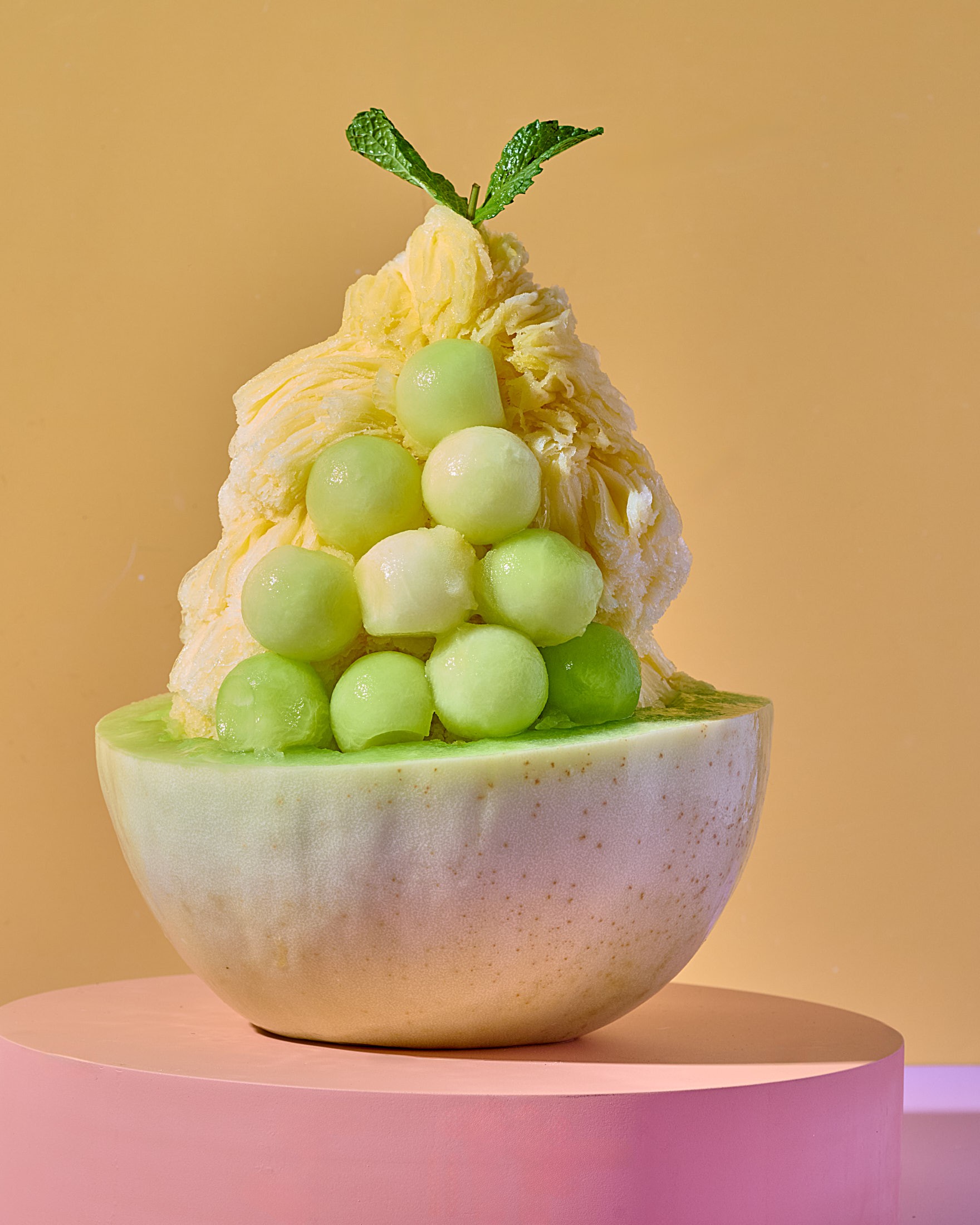
For a modern Korean dessert to share during the holiday, bingsu is a natural fit. It is built for groups, and a Large bowl at Oakobing is portioned for two to four people. Good picks for a family table:
- Injeolmi - the closest link to traditional rice cake flavors.
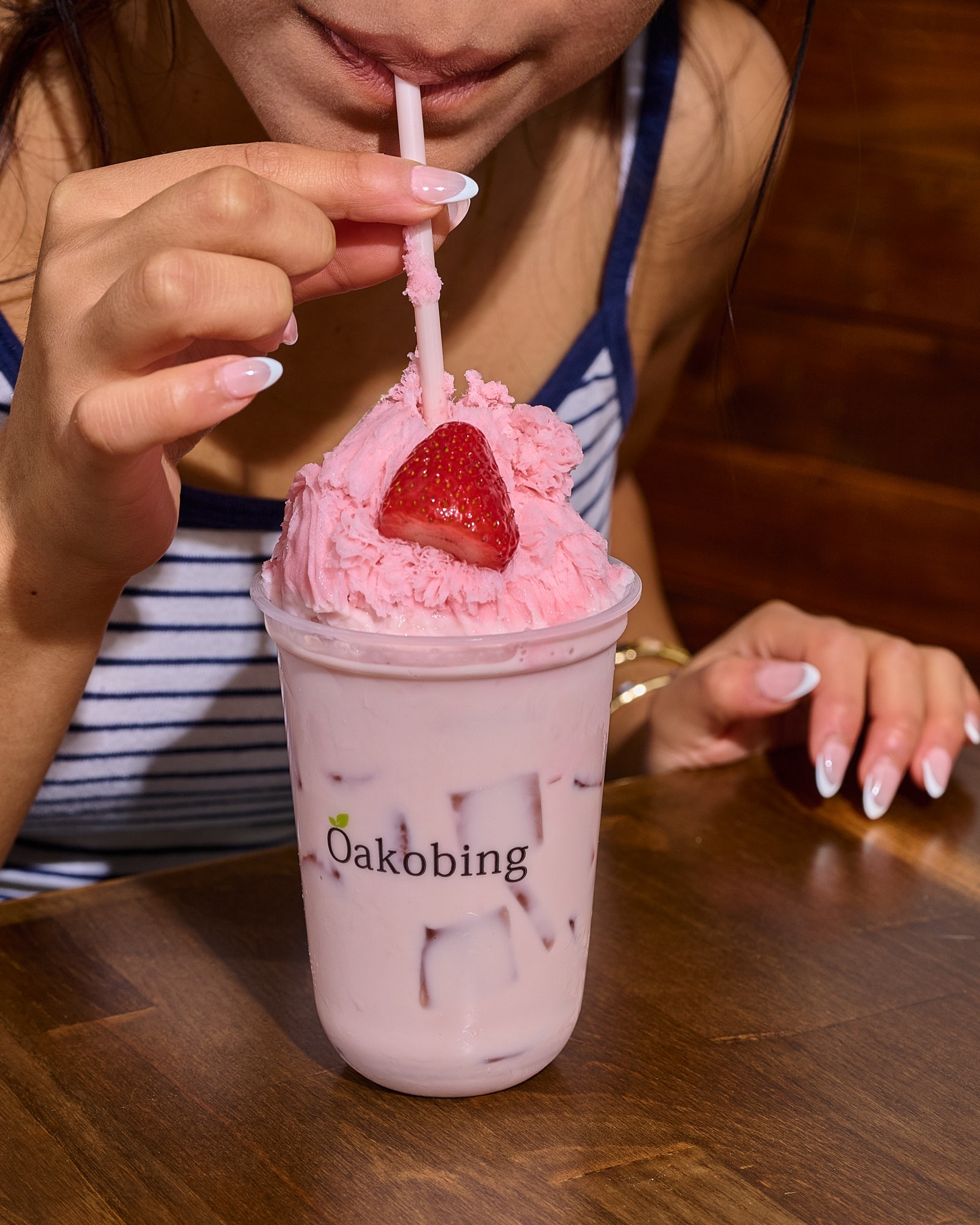
- Strawberry - fresh berries over strawberry-infused milk ice, popular with kids.
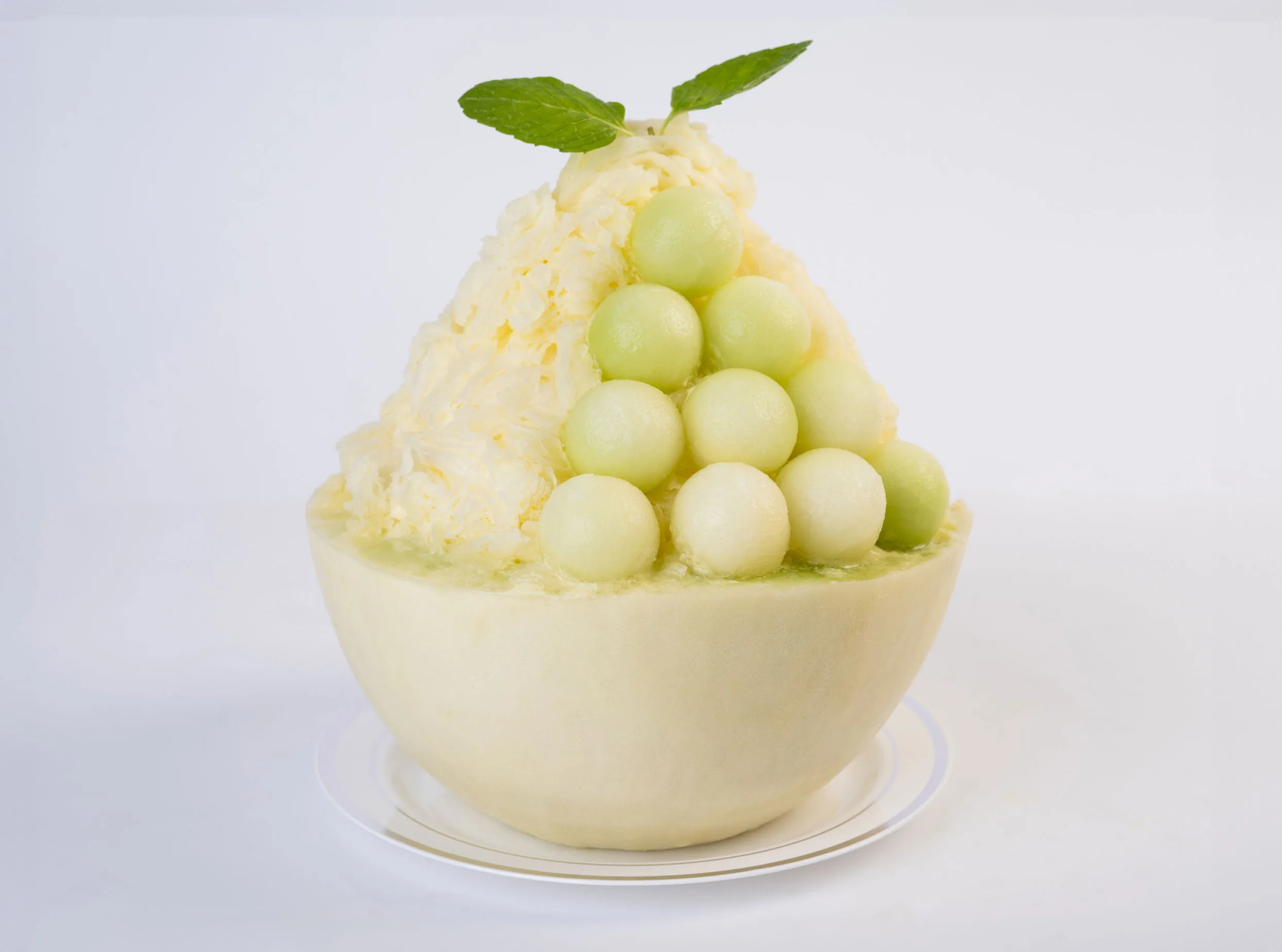
- Mango melon - the signature bowl and something to share at the table.
Oakobing does not sell yakgwa, yugwa, sikhye or other traditional holiday sweets. It serves bingsu and Korean dessert drinks in Koreatown Los Angeles and Old Pasadena. For the history of shaved ice itself, see bingsu history. Current flavors are on the Oakobing menu, and addresses are on the locations page.
Frequently Asked Questions
What desserts do Koreans eat on Lunar New Year?
Traditional Korean New Year, or Seollal, desserts commonly include yakgwa (honey-soaked fried cookies), yugwa (puffed rice crackers coated in honey and rice puffs), a variety of tteok or rice cakes, and sweet drinks such as sikhye (sweet rice punch) and sujeonggwa (cinnamon and ginger punch). Many families also serve fresh fruit. Exact dishes vary by family and region.
When is Korean New Year in 2027?
Seollal follows the lunar calendar, so the date changes each year. In 2027, Lunar New Year falls on February 6, and the Seollal holiday in Korea typically spans the day before, the day itself and the day after. Korean American families often mark it on the nearest weekend.
What is yakgwa?
Yakgwa is a traditional Korean honey cookie. Dough made with wheat flour, sesame oil and honey is fried and then soaked in a ginger and honey syrup, which gives it a soft, chewy center and a deep, warm sweetness. It is one of the classic sweets set out for holidays and ancestral rites, and it has recently become a popular cafe treat as well.
Is tteokguk a dessert?
No. Tteokguk, a soup of sliced rice cakes in broth, is the signature Seollal dish, but it is a savory main course rather than a dessert. Eating a bowl on New Year's Day is traditionally said to add a year to your age. Sweet rice cakes such as injeolmi are a separate category and are eaten as snacks or desserts.
Does Oakobing sell traditional Korean New Year desserts?
No. Oakobing does not sell yakgwa, yugwa, sikhye or other holiday sweets. It serves Korean bingsu, including an injeolmi bowl with roasted soybean powder and chewy rice cake, and Korean dessert drinks such as injeolmi latte, green tea latte and strawberry milk, at its Koreatown Los Angeles and Old Pasadena cafes.
You might also like...
Stories about Korean desserts, bingsu culture, and more.